
Victoria Owes an Explanation for Handcuffing a Reporter Twice in One Afternoon
Officers twice detained a journalist at a Melbourne student walkout against Pauline Hanson. Victoria's move-on law exempts demonstrators and is silent on the press.
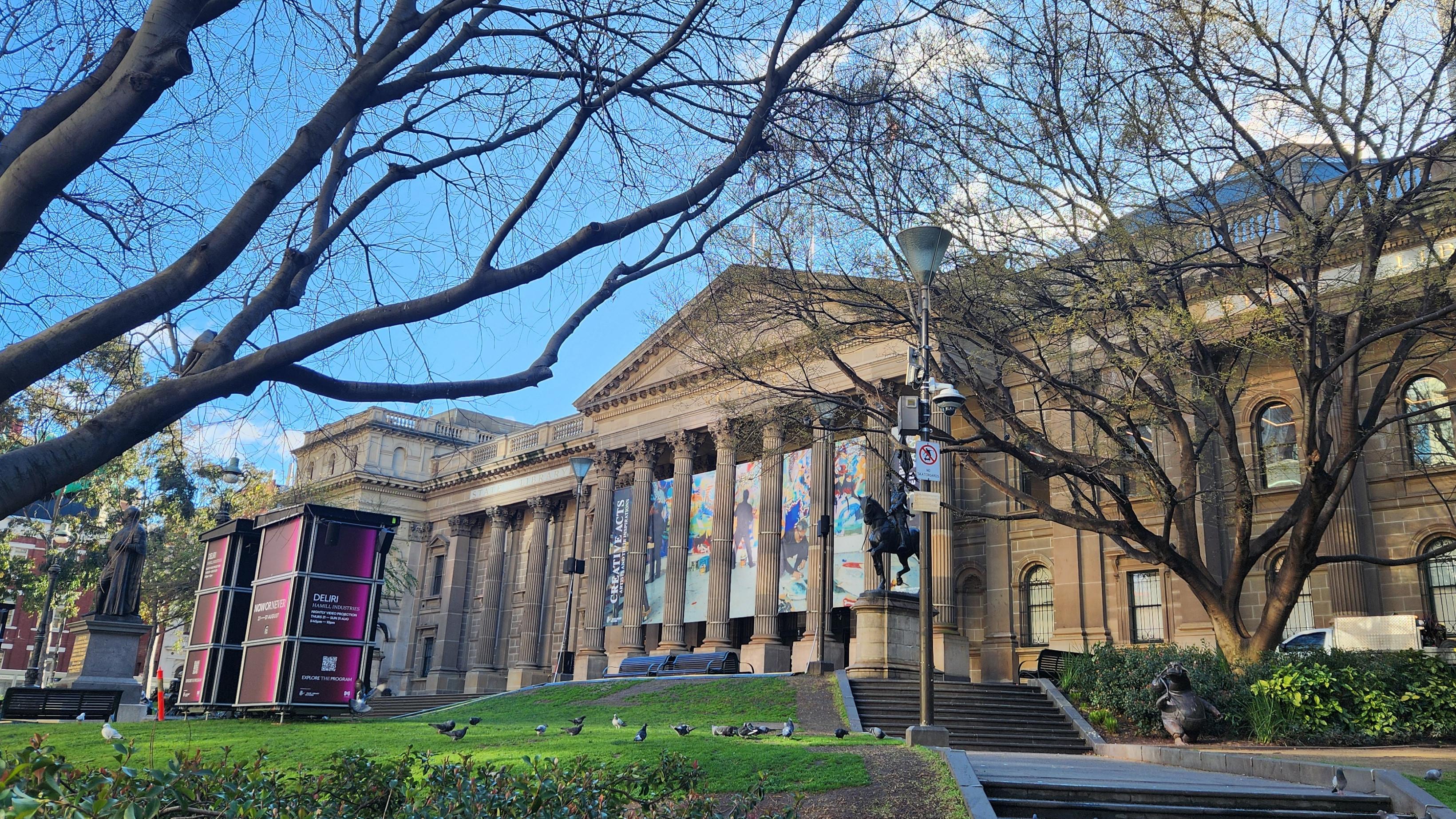
On Thursday afternoon in Melbourne, outside the State Library in the city center, Victoria Police handcuffed a reporter who had been asking schoolchildren why they had walked out of class. Officers led Avi Yemini toward a police van and later let him go. Before the afternoon was out, they handcuffed him a second time. He left both detentions without a charge laid at the scene. Before they file the episode under routine crowd control, Victoria's authorities should explain why officers twice handcuffed a man holding a microphone beside a political rally.
Yemini is a combative Israeli-Australian correspondent for a right-leaning online video network, and his politics are no secret. He arrived at the schoolchildren's walkout protesting Senator Pauline Hanson with four private bodyguards, a precaution he mentioned to police on camera. Officers have formed their own view of him. Following an October 7 vigil at the same library, police said in a statement that a man had been directed away after he appeared "to agitate those in the crowd," and a later news report tied that statement to Yemini and his security detail. Any fair assessment of Thursday has to weigh that history.
The footage Yemini posted to X on Thursday shows the start of the first encounter. An officer, invoking safety, directed him toward a corner down the street. He replied that he had his bodyguards and had encountered no trouble. Pressed, he said plainly that he was refusing to move. When the officer came back, he asked why he had to go. In his post afterward, Yemini said police claimed he had been breaching the peace. Helmeted officers then walked him toward the van as he repeated that he was doing his job. Later that afternoon, officers detained him again. In a video recorded once he was free, he added that police had told him charges might still arrive in the mail.
By late Thursday night in Melbourne, Victoria Police had not said publicly which power its officers used. The ground Yemini describes, though, mirrors Section 6 of Victoria's Summary Offences Act. That provision empowers an officer to order a person to leave a public place on reasonable suspicion that the person is breaching the peace or is likely to. Ignoring such an order without reasonable excuse can bring a fine of up to five penalty units. The same section then switches itself off for anyone "demonstrating or protesting about a particular issue," and for anyone holding a placard or acting in a manner evidently meant to advertise an opinion.
Parliament wrote that exemption to protect political expression, and it serves a real purpose. Its effect on Thursday was lopsided all the same. Students chanting against Hanson stood beyond the reach of the move-on power. The man asking them questions had no matching carve-out for his own work. A statute meant to keep police from silencing dissent can leave the press as the easiest target when a crowd turns hostile.
A reporter whose presence irritates protesters can always be cast as likely to provoke a breach of the peace, because the irritation itself becomes the evidence. Officers can stand between the reporter and the crowd and protect the march and the reporting alike, though moving the reporter along is easier and gives the loudest voices in the crowd a veto over coverage.
Victoria Police's own history with Yemini makes Thursday harder to excuse. In 2022 the force gave him a written apology admitting that its officers had wrongly taken him into custody on three occasions in 2020 and 2021 while he was working. One of those detentions came while he was interviewing protesters in central Melbourne. In October the force's professional standards division was reported to have opened an internal investigation into the vigil incident, in which footage appeared to show an officer seizing him by the neck, and no outcome has been announced. An agency with that record should know exactly which legal power it relies on before handcuffing the same reporter again.
He was covering pupils who had left classrooms on a school day to protest an elected senator. Hanson responded with a statement that "these kids really need to get back to class," citing national math and science standards. The walkout went ahead, as it should have, while the police response that afternoon treated an adult asking the pupils about their cause as the hazard to public order.
Yemini's refusal to move was a gamble, and he may yet face consequences for it. A court can settle that if police pursue it. The authorities, for their part, owe an answer on why refusing a move-on order, an offense that carries at most a fine, ended in handcuffs and removal from the scene, followed by release without a charge.
With a state election set for November 28, Victorian voters are entitled to hear the government responsible for the force say whether reporters who annoy a crowd can expect the same treatment. Americans watching protests on their own campuses and streets should notice how easily a law written to shield dissent can be turned against the people recording it.
You Might Also Be Interested In
The Belichick Video Lawsuit Concerns a Rental Owner's Duty to Guests

Reports on Jensen Huang Cast a Shadow Over the AI Industry's Chief Ambassador
The BBC's Trump Edit Exposes a Failure of Editorial Trust