

Now Trending: Spain's March Through the World Cup
Spain eliminated Cristiano Ronaldo and Portugal from the 2026 World Cup, and the internet has moved from tactical breakdowns to numerology and rigging conspiracy theories almost overnight
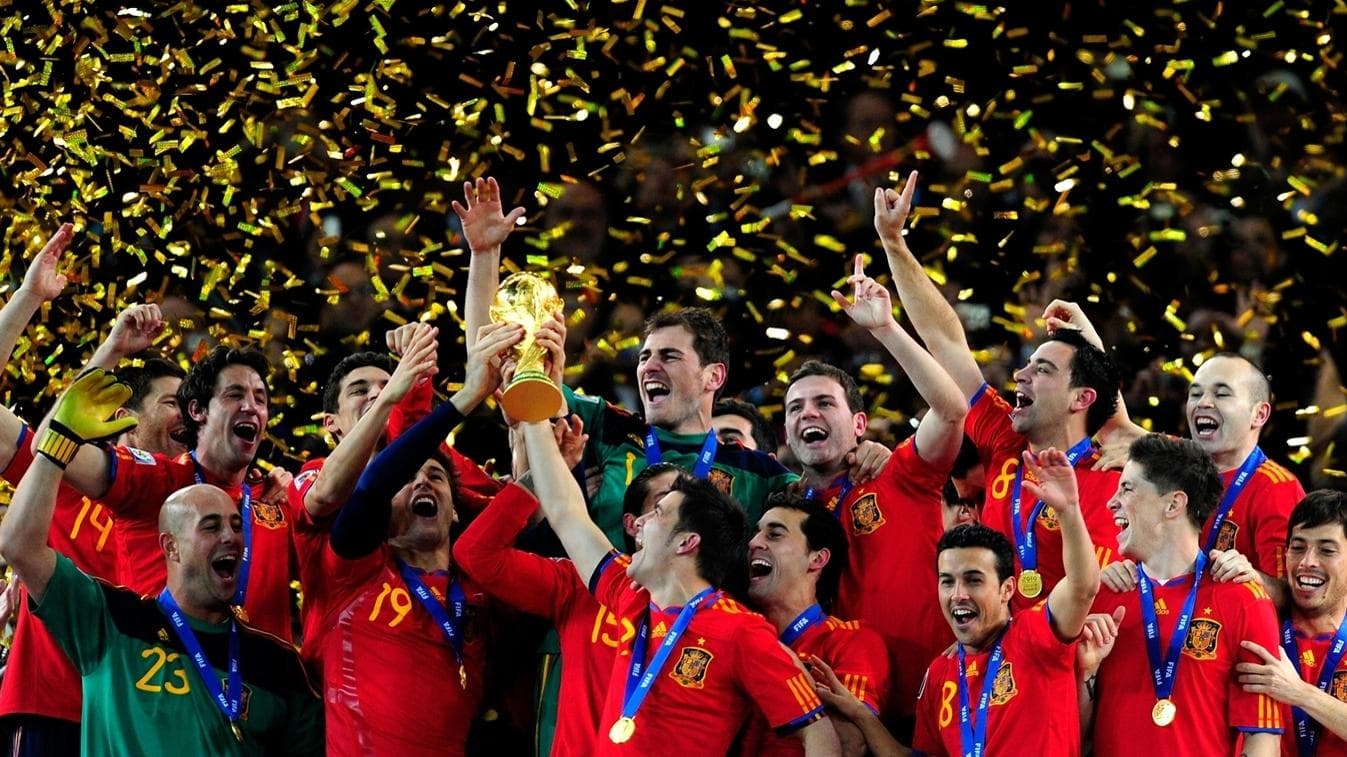
What's trending is straightforward on its face: Spain beat Portugal 1-0 in the Round of 16 of the 2026 FIFA World Cup, courtesy of a late goal from Mikel Merino, sending La Roja through to the quarterfinals and ending Cristiano Ronaldo's World Cup career. It was, by most accounts, a tense, tightly played match between two of the tournament's most talented rosters, decided by one moment rather than a rout.
The reason this became the argument of the day isn't really the final score — it's what the match represents. Portugal and Spain have produced some of the tournament's most dramatic meetings this century, and fans immediately started stacking this result against the Euro 2004 shocker, the 2010 World Cup knockout, and other chapters in a rivalry that carries real weight in both countries. Layer onto that the emotional gravity of Ronaldo, at the tail end of his international career, going out against Spain specifically, and you have a moment built for maximum online reaction.
The arguments split into a few predictable lanes. There are the tactical breakdowns — posters dissecting how Spain's midfield control through Pedri and Rodri suffocated Portugal's ability to spring Rafael Leão and João Félix into transition. There are the prediction-model accounts posting win probabilities and expected-goals charts as if the match hadn't already been played. And then there's the numerology crowd, stacking coincidences about dates, prime numbers, and how long it's been since Spain's last trophy — the kind of pattern-hunting that shows up every tournament and means nothing, but is fun in the way lottery numbers are fun.
The more serious current running underneath all of it is distrust of FIFA itself. Separately from the Spain-Portugal match, Egypt filed a formal complaint with FIFA after its own World Cup exit to Argentina, accusing officials of double standards and demanding the removal of the match officials. That complaint has been circulating widely enough that it's bleeding into other knockout-round conversations, including replies under Spain-Portugal threads, where posters float the idea that the tournament's biggest results are being managed rather than earned.
In my opinion, most of what's driving this particular trend is exactly what sports is supposed to produce: genuine passion, rivalry, and a little bit of superstition dressed up as math. Nobody needs to be talked out of enjoying a good numerology bit about prime numbers and squared calendars — that's just fans having fun with a result that mattered to them.
But the rigging chatter deserves a more careful read, and here I'll admit some sympathy for the skeptics. FIFA is not a spotless institution asking for the benefit of the doubt; it has a documented history of corruption scandals involving bribery and vote-buying around hosting rights and tournament decisions. That history is exactly why a formal complaint from a federation as prominent as Egypt's gets taken seriously by outlets covering it rather than dismissed outright. None of that means Spain's win over Portugal was anything but a legitimate soccer result decided by a late goal from Merino — there's no credible claim to the contrary. But when people reflexively distrust the sport's governing body, it's worth remembering that distrust wasn't manufactured out of nothing. It's the difference between an unverified claim about one match and a documented pattern of behavior from the people running the whole show. Keep those two things separate, enjoy the football, and save your skepticism for where it's actually earned.
You Might Also Be Interested In

Little League And Boys & Girls Clubs Team Up

Suffolk PAL Tees Up Another Great Day for Young Golfers

Brookhaven Clinic Brings Local Stars to Give Back to the Community