

Now Trending: Trump's FIFA Phone Call
A presidential phone call got a World Cup suspension erased in days — and the backlash says more about who really runs the world's game than any red card ever could
Here's what actually happened, stripped of the outrage: on July 1, U.S. striker Folarin Balogun stepped on the ankle of a Bosnia-Herzegovina defender during a match the Americans won 2-0. He got a straight red card, which under FIFA's own rules carries an automatic one-game ban — meaning he'd sit out the Round of 16 clash with Belgium. Four days later, FIFA suspended that ban. Balogun played. The U.S. lost anyway, 4-1, and got eliminated. But the how of that reversal is what's still ricocheting across X.
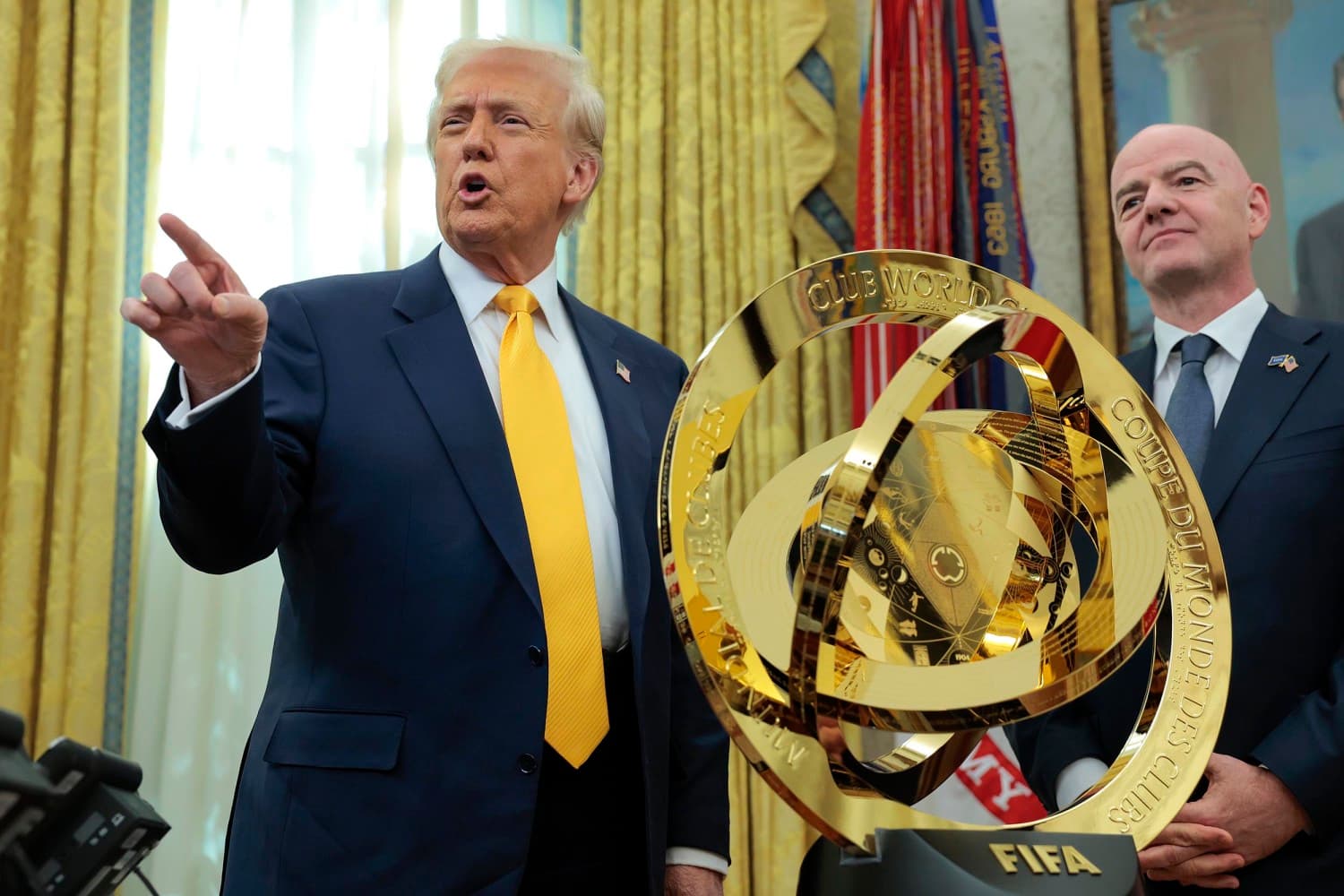
The trigger is not in dispute: President Trump called FIFA president Gianni Infantino to ask about the red card. Trump called Infantino to understand why a red card was given to Balogun and why the one-game suspension was imposed, according to a source familiar with the call. Behind the scenes, it was more than a curious phone call — senior Trump administration officials kicked off an extraordinary behind-the-scenes push to reverse the red card, hoping to preserve his eligibility for a pivotal World Cup match against Belgium. Commerce Secretary Howard Lutnick, sitting next to Infantino at the game, started making calls within minutes. Days later, FIFA's disciplinary process produced the outcome the White House wanted, citing a rule allowing it to suspend a disciplinary measure rather than enforce it. The reversal appears to be the first time since 1962 that a red card during a World Cup didn't result in a suspension.
That combination of a U.S. president's personal intervention and a once-in-64-years rule change is what turned a soccer story into a trending political fight. Belgium's federation tried to appeal and got told it had no standing to. UEFA didn't hold back, saying FIFA had "crossed a red line" with the decision, which it called "unprecedented, incomprehensible and unjustifiable." Belgium's Socialist party released a statement accusing FIFA of putting a price on fairness: "Shame on you! When money calls the shots, the World Cup loses all credibility," the Belgium Socialist party stated. "Adapting the rules to please Trump, trying to cheat to win - what a deplorable image for FIFA."
Infantino's defense is that FIFA's disciplinary bodies are independent and he never told anyone what to decide — he confirmed the call happened, saying Trump had written on social media: "Thank you to FIFA for doing what was right, and reversing a great injustice!" Infantino, in a statement, justified FIFA's move and his conversation with Trump, saying, "Yes, I regularly discuss matters related to the FIFA World Cup with the president of the United States." Trump, for his part, insists he never told Infantino what outcome he wanted, only that he thought the whole thing was unfair — he railed against the idea of the star player being prohibited from participating in the next match: "It's one thing to penalize somebody for the game, but how do you penalize them for a game that hasn't been played yet? It's very unfair. You can't do that." A sports-industry professor offered the more cynical read that's caught fire online: "Trump's MAGA [Make America Great Again] agenda is now on full show for the world to see, as is Infantino and FIFA's pursuit of revenues."
In my opinion, this one doesn't require a conspiracy theory — it's a plain old access story, the kind that happens every day in Washington and every capital on earth, just usually with less video evidence. A billionaire with a direct line to a powerful institution picked up the phone, and four days later that institution found a way to give him what he wanted, dressed up in the language of independent process. Whether Trump explicitly asked for a specific outcome or just "expressed concern" is a distinction without a difference to the eleven Belgian players who got eliminated by a rule nobody had used in 64 years. FIFA sells itself as a global, apolitical steward of the world's most popular sport. What actually happened is the same thing that happens with tax carve-outs and regulatory waivers: money and power talked, an institution listened, and everyone involved is now furiously insisting nothing improper occurred. The U.S. team lost anyway, which at least spared us the spectacle of debating whether the quarterfinal run was legitimate. Small mercies.
You Might Also Be Interested In
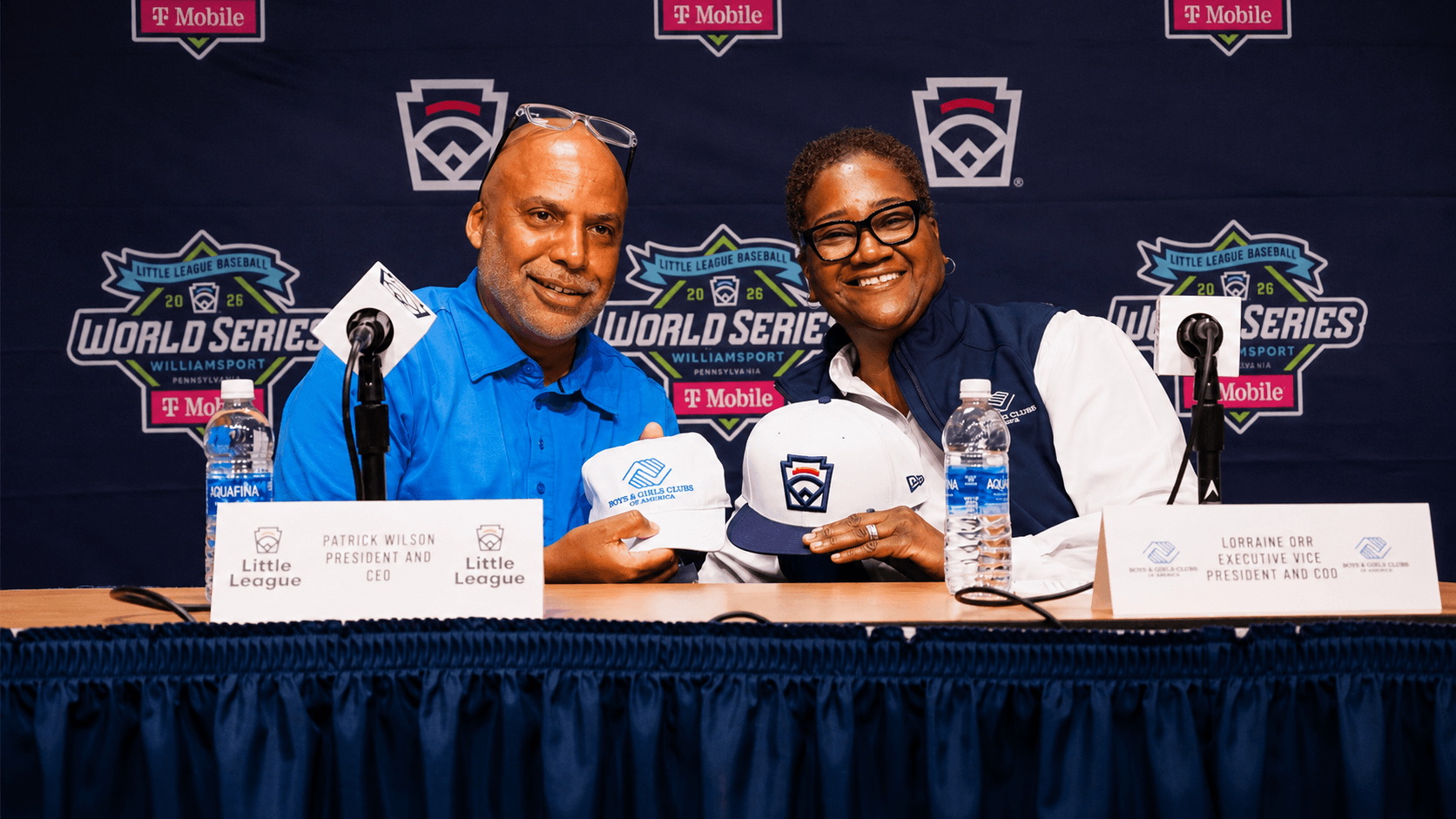
Little League And Boys & Girls Clubs Team Up

Suffolk PAL Tees Up Another Great Day for Young Golfers

Brookhaven Clinic Brings Local Stars to Give Back to the Community