
Cell Shock: 3K Troops Still Working NY Prisons
Nearly 3,000 New York military personnel were still working in state prisons at the end of 2025, more than nine months after a correction officers’ strike forced Albany to deploy troops into a corrections system already plagued by staffing shortages and mandatory overtime.
Nearly 3,000 New York military personnel were still working in state prisons at the end of 2025, more than nine months after a correction officers’ strike forced Albany to deploy troops into a corrections system already plagued by staffing shortages and mandatory overtime.
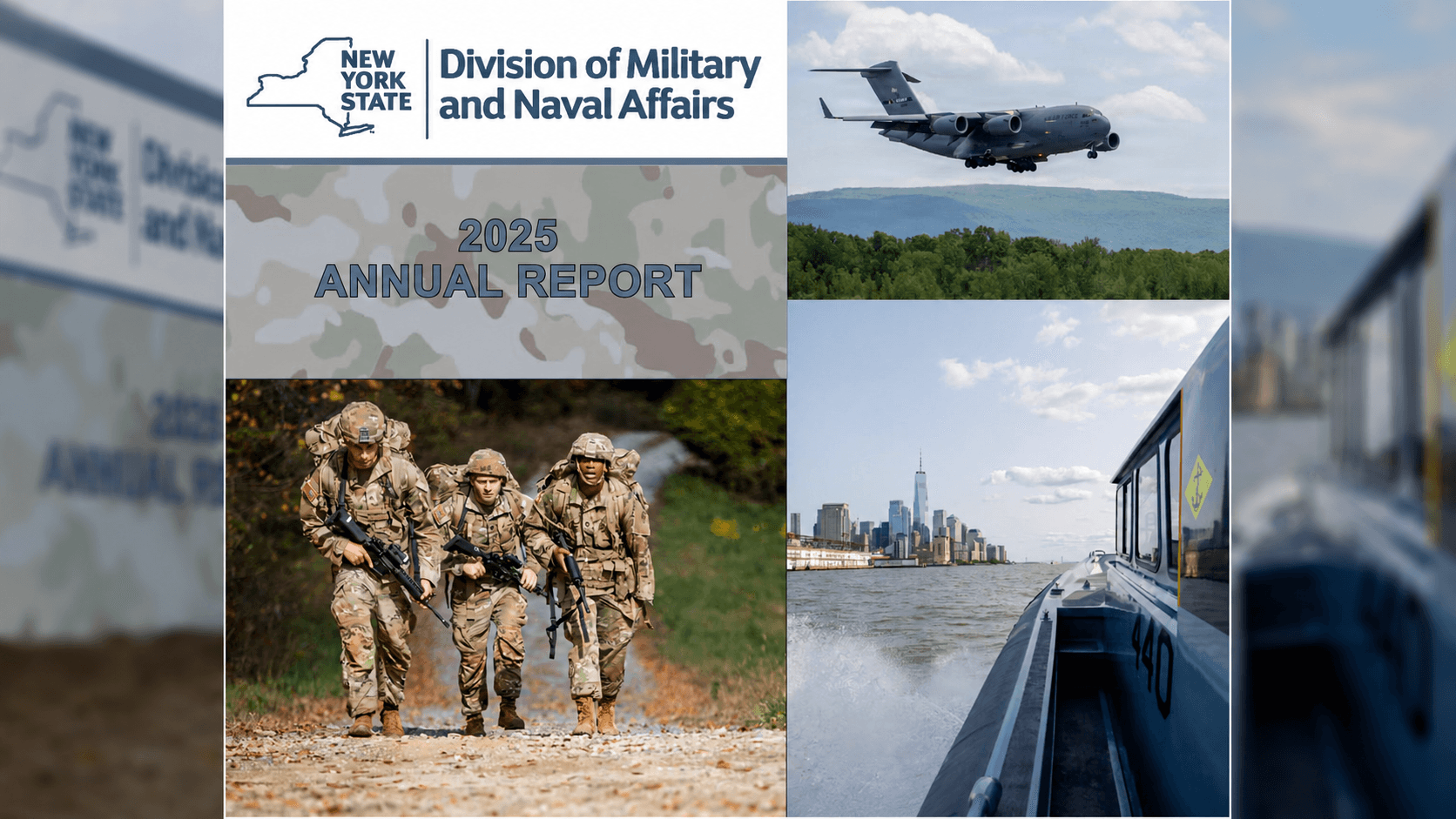
The New York Division of Military and Naval Affairs’ 2025 annual report says 2,939 personnel remained assigned to Task Force Sentinel on December 31st, an extraordinary continuation of what began as an emergency response to the February strike.
And Guard members weren’t simply providing logistical support.
Soldiers and airmen were sent inside maximum-, medium- and minimum-security prisons, where their duties included supervising incarcerated people, conducting inmate counts, delivering meals and monitoring special housing units.
The military response ultimately reached 42 of New York’s 45 state prisons.
Governor Kathy Hochul ordered the initial mobilization after correction officers began walking off the job February 17th.
More than 8,200 military personnel were mobilized during the strike, with 7,359 on duty at the deployment’s peak.
But the military presence did not disappear when Hochul declared the strike over March 10th, far from it.
Instead, New York continued using troops to support the prison system. The annual report says 9,241 members of the New York Military Forces participated in the corrections mission during 2025, collectively logging 831,782 workdays.
Correction officers had warned Albany before the strike that conditions were becoming untenable.
Chris Summers, president of the New York State Correctional Officers & Police Benevolent Association, told lawmakers shortly before the walkout that officers’ needs “continue to be ignored by this State.”
He cited severe staffing shortages and mandatory overtime, including double and triple shifts. Months later, Summers accused the state of having “failed to recognize or minimized” the problems that pushed officers to their breaking point.
Yet the most striking evidence of how deeply the crisis persisted came at year’s end.
More than nine months after the strike ended, 2,939 military personnel were still serving in New York’s prisons.
An emergency deployment had become a standing part of the state corrections workforce.
You Might Also Be Interested In
SHOCK STUDY: Tax Hell Shows How New York Bleeds Families Dry
Single-Digit NYS Governor Poll Electrifies New York GOP
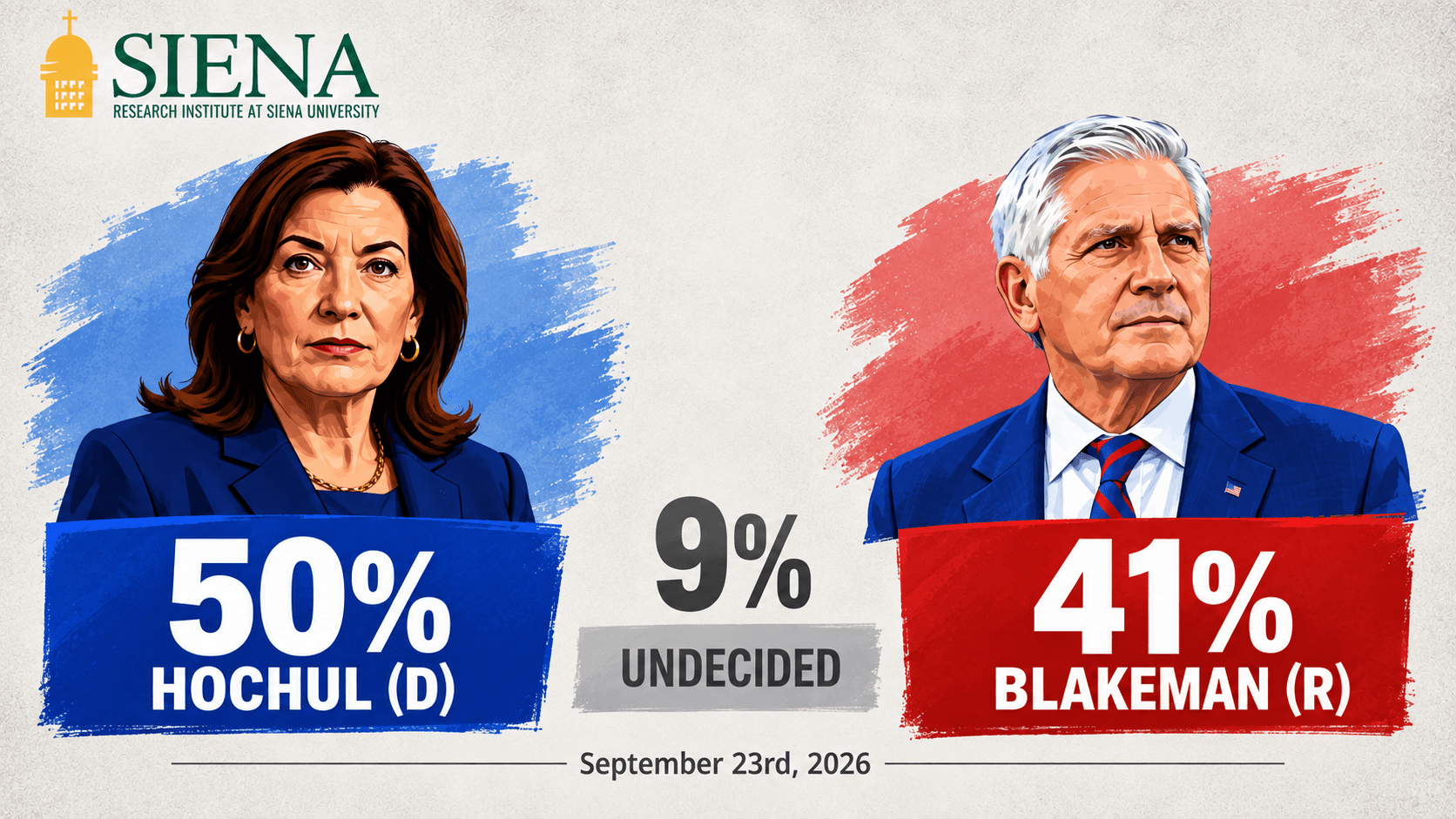
Blue State Blakeman Shocker: Single Digit Hochul Lead Shrinks To 9 Points