
George Santos: Can Bruce Blakeman Flip New York?
For years, Republicans have approached New York like it was a lost cause. Every election cycle, the consultants dusted off the same tired excuses, declared the Empire State unwinnable, cashed their checks, and went home. That mindset is exactly why Democrats have been allowed to run Albany into the ground with little meaningful resistance. But something is different this time, and anyone paying attention can feel it.
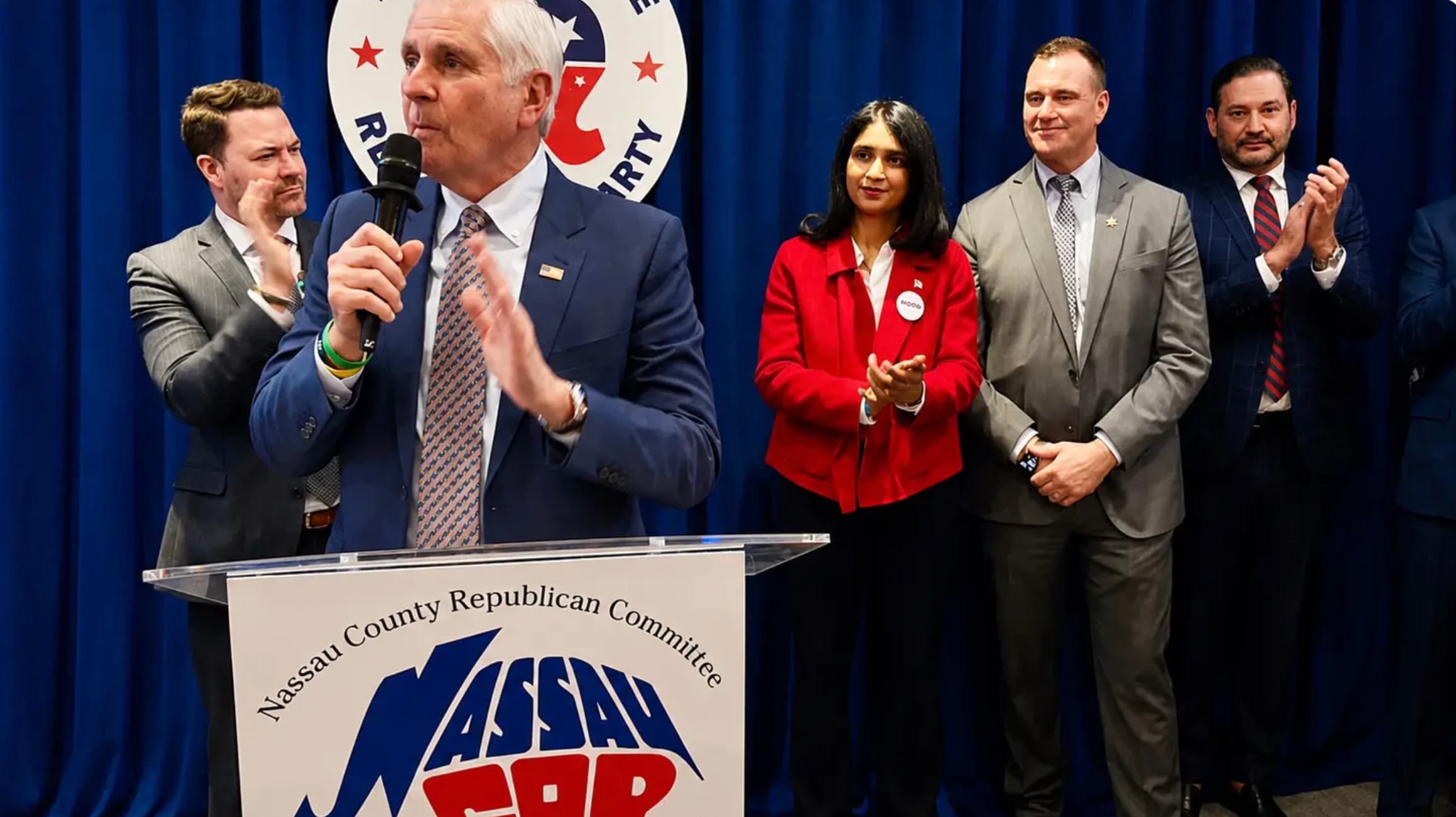
Bruce Blakeman has entered this race with a message that is beginning to resonate well beyond Nassau County. Whether you're on Long Island, the Hudson Valley, the North Country, or Upstate communities that have watched jobs disappear while taxes continue climbing, there is an unmistakable appetite for change. The conversation is no longer just about replacing Kathy Hochul. It is about replacing an entire political culture that has left too many New Yorkers believing that decline is simply the price of living here.
Governor Kathy Hochul is running into a problem that no amount of campaign spending can easily solve. Voters are exhausted. They are tired of paying some of the highest taxes in America while watching businesses relocate, families move south, and public confidence in state government continue to erode. Every election becomes another promise that affordability is around the corner, yet New Yorkers continue paying more for housing, energy, groceries, insurance, and virtually every aspect of daily life.
That alone creates an opening for Republicans. But the Democratic Party has handed Bruce Blakeman something even more valuable: contrast.
Across New York, the Democratic Party has been pulled further left by its activist wing. Democratic socialists have become increasingly influential in shaping the party's rhetoric and policy priorities, forcing many traditional Democrats into uncomfortable political territory. Whether voters agree or disagree with those ideas, the internal shift has created divisions within the party that Republicans are eager to highlight.
This isn't 1996 anymore. Americans whose parents or grandparents escaped communist governments don't need someone to explain what centralized government, economic control, or ideological conformity look like. New York is home to countless families from Cuba, Venezuela, Eastern Europe, China, Vietnam, and elsewhere who carry real memories of authoritarian governments. For many of them, political messaging centered on preserving free enterprise, protecting individual liberty, and rejecting excessive government control carries emotional weight.
Republicans understand that distinction.
Now, let's be clear. Every progressive policy proposal is not communism, and political disagreements deserve accuracy rather than exaggeration. But campaigns are about drawing contrasts, and Republicans increasingly believe that highlighting what they see as the Democratic Party's leftward movement gives them an opportunity to reach independent voters and moderate Democrats who feel politically homeless.
Bruce Blakeman appears to understand that this race cannot simply be about criticizing Kathy Hochul. It must present a broader vision about affordability, public safety, economic opportunity, and confidence in New York's future. If Republicans remain disciplined and focus on those kitchen-table issues while contrasting themselves with the Democratic Party's progressive wing, they have an opportunity to compete in places where they have struggled for years.
Meanwhile, Democrats face an uncomfortable balancing act. They must energize their progressive base without alienating suburban moderates who often decide statewide elections. Every time the conversation shifts toward ideological litmus tests instead of practical governance, Republicans gain another opportunity to make their case to swing voters.
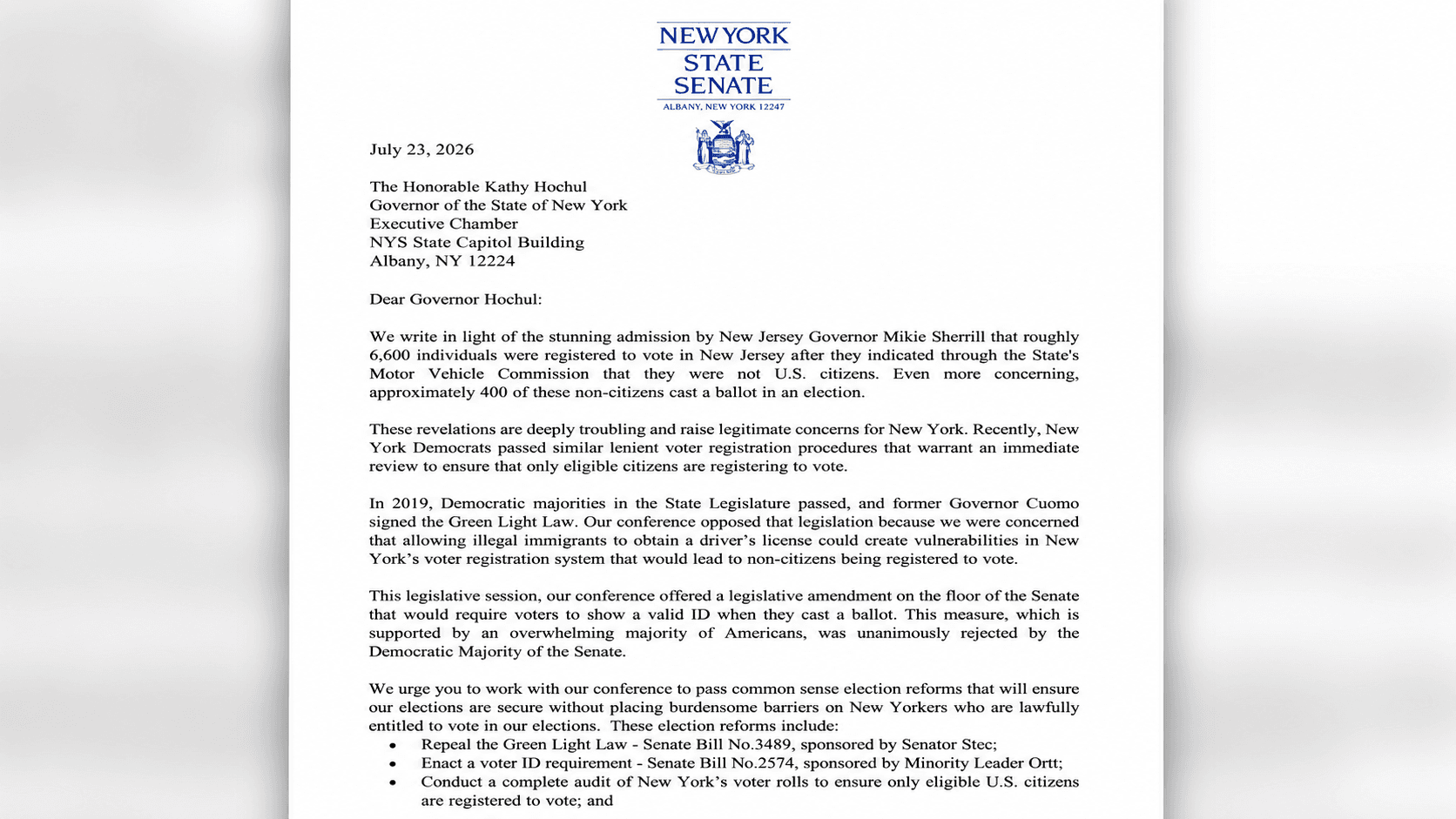
Polling still shows Kathy Hochul with meaningful advantages, including statewide name recognition and a Democratic registration edge, although some surveys suggest the race has become more competitive than many initially expected. Republicans remain underdogs in New York, but they are no longer campaigning as though victory is impossible.
Momentum in politics is often less about today's poll numbers than tomorrow's perception. Campaigns that successfully convince voters a race is competitive tend to attract volunteers, donors, media attention, and undecided voters looking for an alternative. That may ultimately become Bruce Blakeman's greatest asset.
For too long, Republicans have entered statewide races hoping Democrats would make mistakes. This time, they appear determined to offer a competing vision while arguing that New York's challenges stem from decades of one-party dominance. Whether that message ultimately carries them across the finish line remains to be seen, but one thing is becoming increasingly difficult to deny: the race is generating attention, Republicans are energized, and Kathy Hochul is facing a political environment that is considerably less comfortable than many expected only months ago.
New York voters will ultimately decide whether they want continuity or change. Bruce Blakeman is betting that enough New Yorkers have reached their limit with the status quo. If Republicans successfully frame the election around affordability, public safety, and preserving economic freedom while capitalizing on Democratic divisions over the party's ideological direction, they believe they have their clearest statewide opportunity in years.
You Might Also Be Interested In
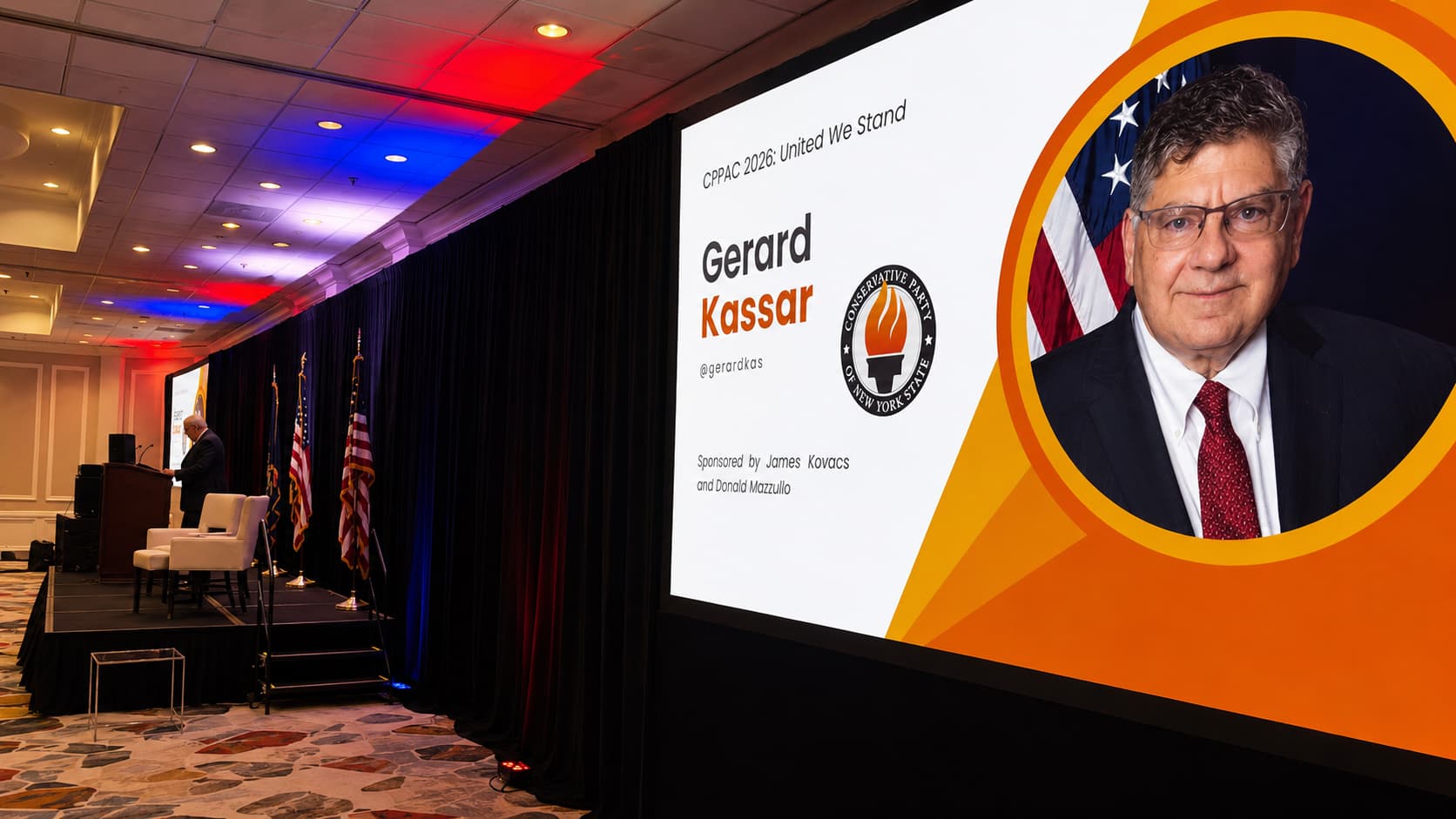
State Blasted Over ICE Cooperation Ban
Nassau's Blakeman Leads NYC Rally After Hate-Crime Stabbings
NYC Man Charged With Hate Crimes in Upper West Side Double Stabbing