

Mamdani and Tisch Disband the NYPD Strategic Response Group
City Hall says the overhaul will leave department headcount unchanged and add no cost. The plan shifts counterterrorism work, adds dialogue teams and bars kettling, tear gas and long guns at protests.
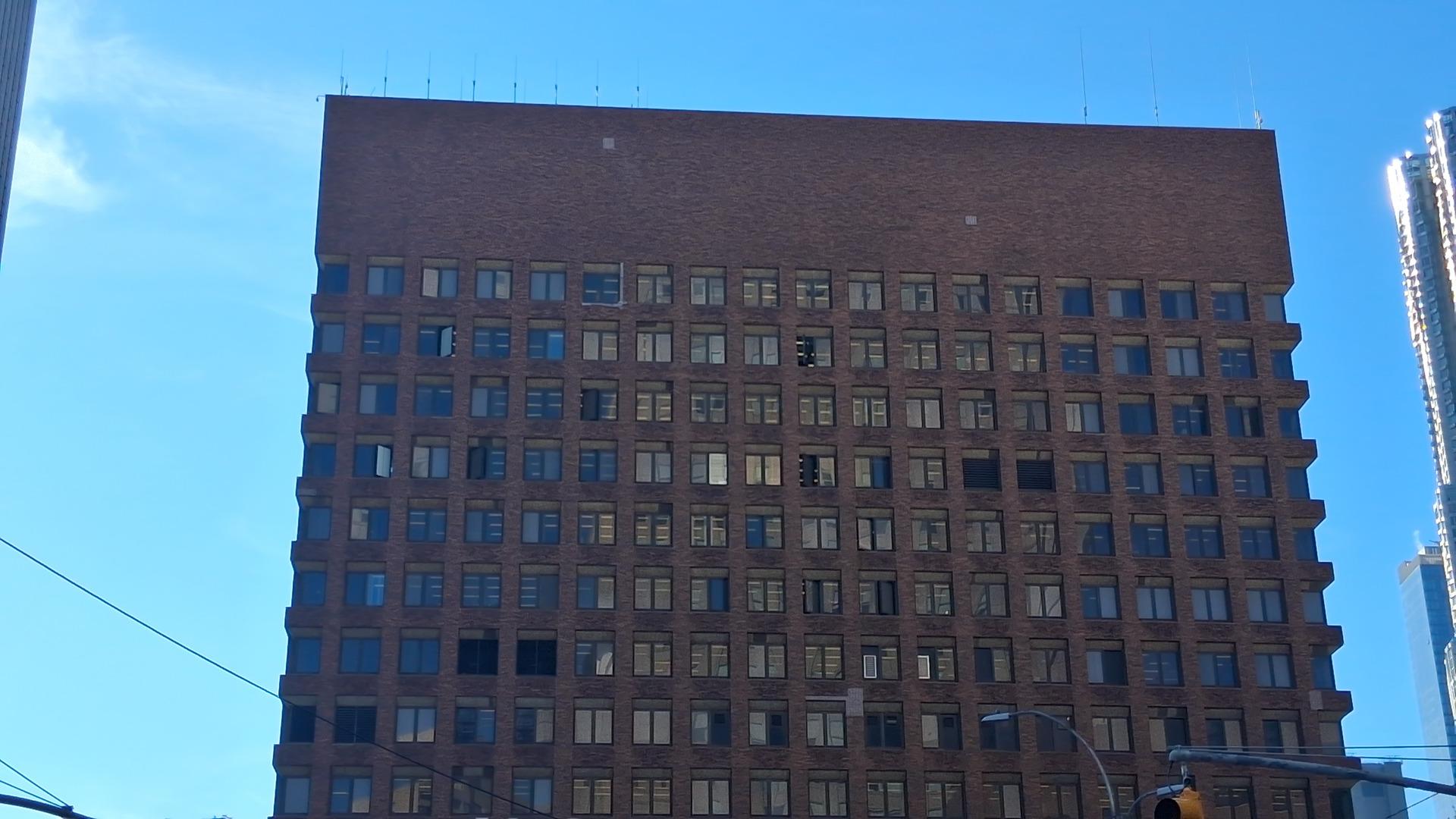
Mayor Zohran Mamdani on Monday moved to break up the NYPD's Strategic Response Group, the unit long assigned to large demonstrations, and to split its duties among new and existing commands. Police Commissioner Jessica Tisch endorsed the plan. City Hall said the changes would be carried out at no added expense and without raising or cutting the department's headcount.
The mayor's office posted a short video at 6:59 a.m. Eastern under the line "We are disbanding the SRG." A formal release followed, describing the change as fulfilling a campaign pledge to separate protest policing from counterterrorism work. Planning began in January, the release said. The group, created in 2015, numbered several hundred officers.
Under the new structure, the unit's counterterrorism work, including the posting of heavily armed officers at critical infrastructure, will be placed in the department's Intelligence and Counterterrorism Bureau. Crowd-management support moves to a new Patrol Support Division inside the Patrol Services Bureau. City Hall said its vetted officers will devote most of their hours to helping patrol, including at events such as the marathon and the Thanksgiving parade, and could still make arrests at protests in what the release called rare instances.
Two dialogue teams are also planned. A civilian de-escalation and dialogue office, known as the CDDD, will be formed inside the mayoral Office of Community Safety, and its staff will carry no weapons and hold no arrest power. Until that office is running, a First Amendment Support Team of 30 uniformed officers in the Community Affairs Bureau will handle dialogue at demonstrations.
The plan also sets new limits on protest tactics. Kettling, the practice of encircling a crowd, is banned, as are long guns and tear gas at demonstrations. Pepper spray is not to be used to manage crowds, devices that project sound over long distances are capped at 90 decibels, and officers may not use bicycles as weapons except when needed to stop an officer or another person from being killed or physically hurt.
"New Yorkers exercising their constitutional right to protest should not be met with the same police response as a terrorism threat," Mamdani said in the release. He also endorsed the CURB Act, a Council bill from Councilmember Chi Ossé that would lock similar limits into city law.
Tisch said the structure was "designed to consolidate our counterterrorism capabilities, provide greater support to our patrol officers and ensure we continue to respond to protests consistent with public safety and the First Amendment." She added, "I would never support changes that diminish the NYPD's ability to protect New Yorkers, or that put our officers in a position where they lack the resources necessary to confront a serious threat."
The Police Benevolent Association answered within hours. In a statement posted to the union's account, president Patrick Hendry said, "Today is not a good day for New Yorkers who just want a safe and orderly city. Mayor Mamdani is showing his true colors: he's willing to put your safety and police officers' safety at risk to appease his radical base." He continued, "So the next time your life is disrupted by demonstrators who are blocking bridges and roadways or causing chaos on our streets, remember: Mayor Mamdani is on their side, not yours." Scott Munro, who heads the Detectives' Endowment Association, also defended the unit on Monday, saying it was working and did not need to be changed.
State Sen. Sam Sutton of Brooklyn and Assemblymember-elect Joey Saban, in a joint statement, said they are weighing all legislative options in Albany, among them writing specialized police-response powers into state statute. "The mayor does not get to exercise a backdoor veto over state law by weakening its enforcement," the two said. They said the announcement, and the mayor's support for the CURB Act, puts New Yorkers in harm's way. Sen. Ashley Moody of Florida said her state welcomes members of the unit to police work there.
Ossé welcomed the move on his account and urged the Council to pass the CURB Act. The Legal Aid Society also praised the decision and said close oversight of police force, monitoring and arrests remains essential.
The CURB Act is before the City Council, which would have to pass it to write the new limits into city law. Sutton and Saban say they are already studying Albany bills that would keep specialized police-response powers in statute.
You Might Also Be Interested In
Democrats Credit Even-Year Election Law for Local Gains as Suffolk Party Feuds Over Close Races
Police Kill Van Driver on Belt Parkway After 911 Callers Feared an Abduction
MTA Wants More Federal Cash As Long Islanders Pay The Price