
Mamdani Asks Council to Push Rikers Closure Back Five Years, to End of 2032
The mayor's first full closure plan keeps four borough jails on a 2029 to 2032 schedule and leans on prosecutors and courts to shrink the jail population.
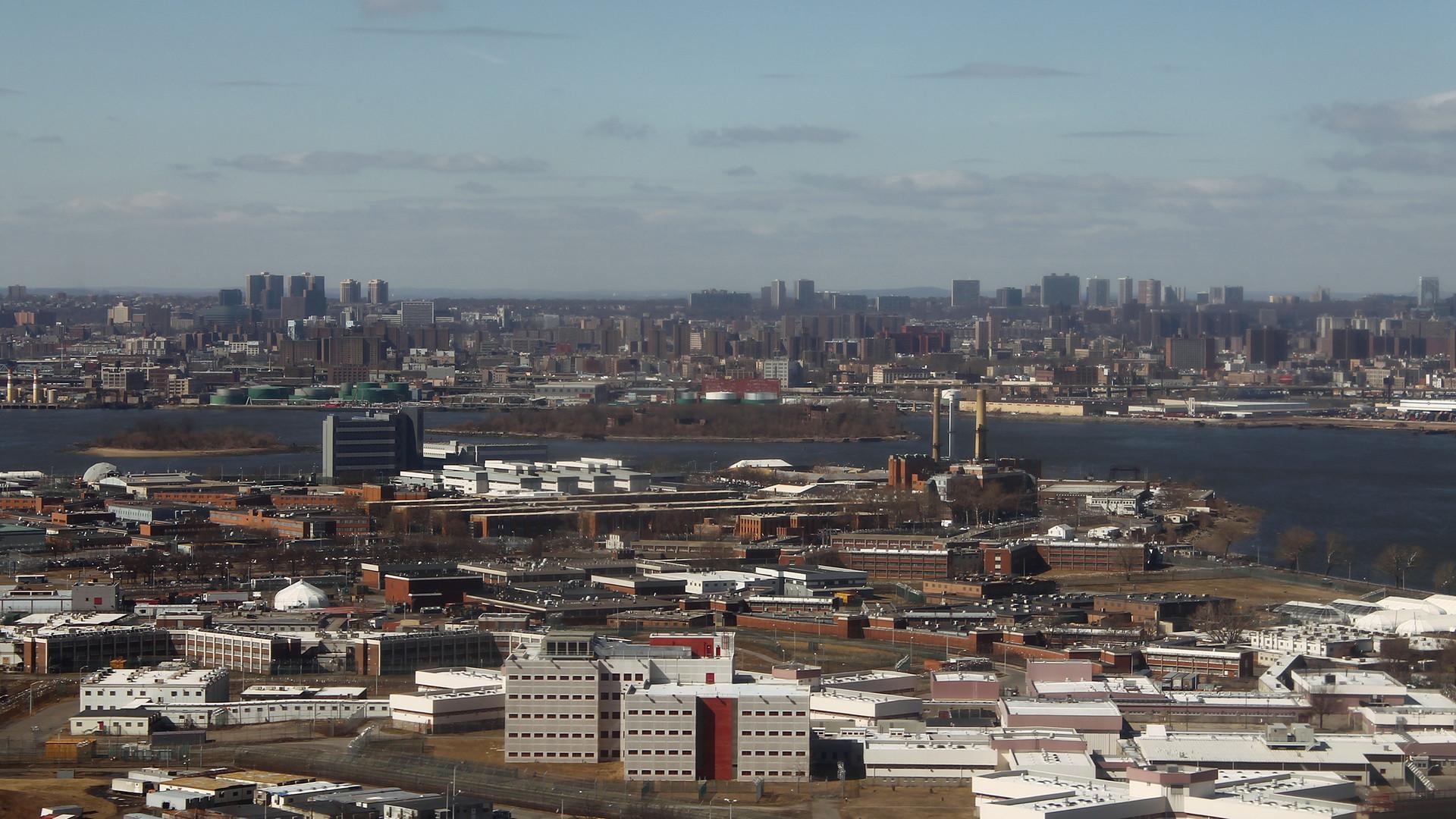
Mayor Zohran Mamdani on Nov. 20 released Close Rikers: Strategic Plan, asking the City Council to move the legal deadline from Aug. 31, 2027, to Dec. 31, 2032, a delay of more than five years. Local law requires that incarceration on the island end by Aug. 31, 2027, and the mayor cannot change that date alone. The Council must pass new legislation, and until it does, the 2027 deadline stays on the books.
The plan's opening schedule for four borough-based jails starts with Brooklyn in 2029, and that jail will also hold those sent from Staten Island. The Bronx and Queens facilities follow in 2031, with the Queens site designated for all women in custody. Manhattan is last, in 2032. Each borough jail is designed for 1,040 beds. Three therapeutic units sited in hospitals would bring the system to 4,500 beds. The plan also reduces the planned women's unit in Queens from 450 beds to 250, on the premise that more women can be diverted into community programs.
Today's jail population is put at about 6,600, and the plan sets a 5,500-person ceiling for the 2029 opening of the Brooklyn jail, then 4,100 people at the close of 2032, of whom 220 or fewer would be women. By the plan's own figures, that is a drop of roughly 38 percent from the present count over the life of the plan.
Reaching 4,100 depends heavily on district attorney offices and the state court system, which the mayor does not control. The plan records that the average stay for people leaving jail rose from 63 days in 2017 to 102 days in 2025. For the coming fiscal year, the administration has budgeted $146 million for mental-health treatment, care for substance use, education, job training and victim services. The plan itself sets aside $30 million in this fiscal year, plus $260 million more in planned spending through fiscal 2030, for work aimed at shrinking the jail count, including pretrial alternatives and access to psychiatric beds.
Neighbors of the Manhattan site have sued the city over after-hours construction, and the suit says the city has estimated that a weekday-only schedule would push completion to 2034 and add $340 million to a $3.9 billion price tag. In late October, a state judge temporarily halted the after-hours work, and a further hearing is set for Dec. 1.
Criminal Justice Committee Chair Selvena Brooks-Powers said, "I'm thankful that the mayor is taking seriously the need to extend the deadline, recognizing that 2027 is not feasible," though she stopped short of promising that the Council will settle on the end of 2032. Her committee plans an oversight hearing in December. The bill, which Council Member Sandy Nurse is expected to sponsor, has not yet been introduced and will carry benchmark dates intended to hold the administration to account.
Elizabeth Glazer, who led the previous administration's criminal justice office and helped organize the original closure effort, argued in a recent opinion piece that the city should also rebuild or renovate jails on Rikers. Eric Adams, the former mayor, often challenged the borough jail plan, citing how many people the jails were holding. Zachary Katznelson, who directs the Independent Rikers Commission, called the plan "a real commitment" from the administration and praised the mayor for taking up many of the commission's recommendations.
Until the Council acts, the legal deadline remains Aug. 31, 2027. How far members will go, including whether they will accept a 2032 date, is set to be aired at the December hearing. Even then, the plan depends on the jail population falling from about 6,600 to 4,100 by the time the last borough jail is due to open, on a system built for 4,500 beds.
You Might Also Be Interested In

Long Island Should Keep Gas Available for New Homes Ahead of a Projected Statewide Power Shortfall

Will Hochul renege on academic scholarships?
Mamdani Signs Horse Carriage Ban as Drivers and Medallion Owners Sue in Federal Court