
Mamdani Signs Horse Carriage Ban as Drivers and Medallion Owners Sue in Federal Court
Romanch's Law ends carriage rides by June 1, 2028. The same day, the industry's union filed a class action saying the city is taking licenses without paying for them.
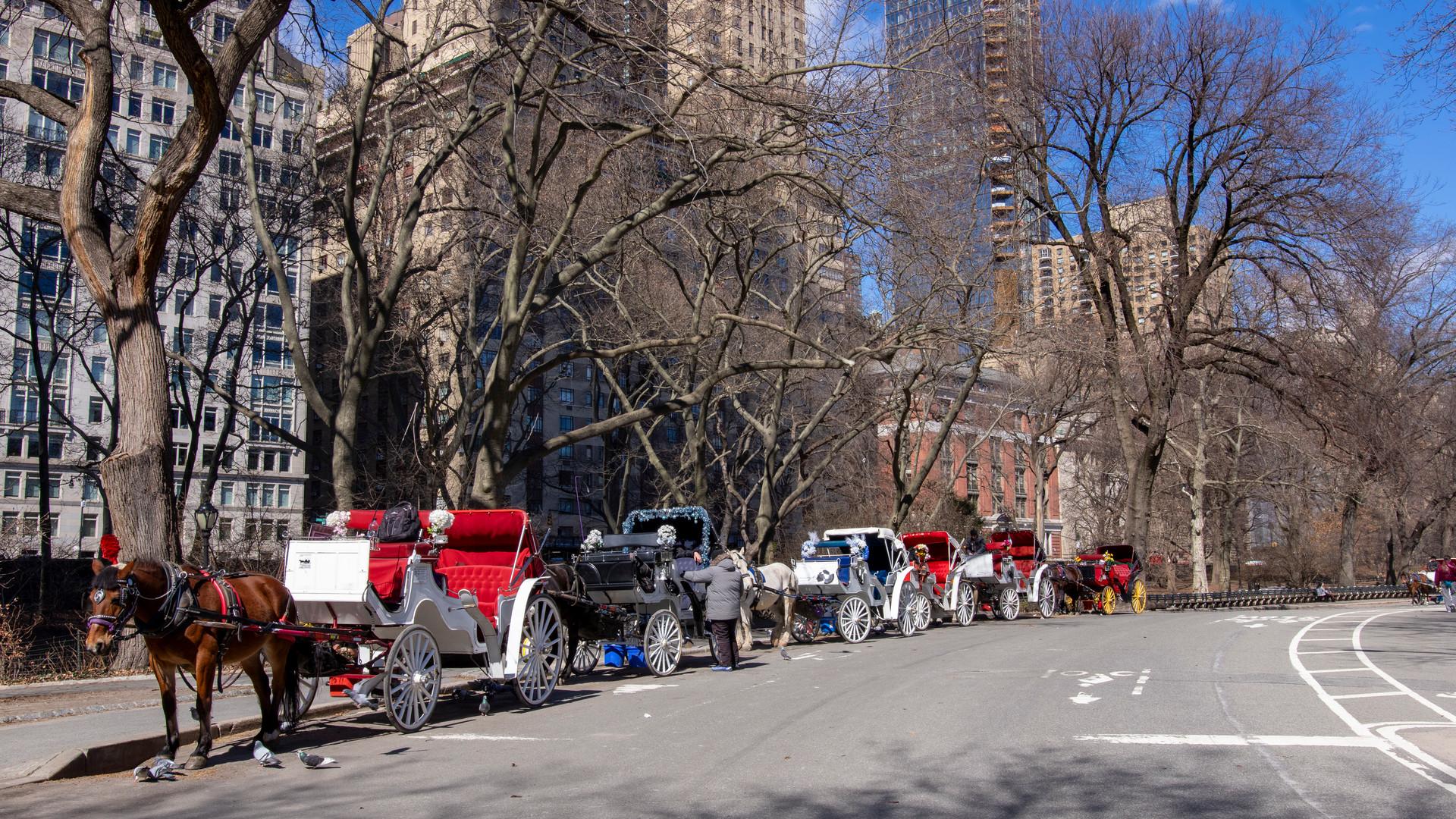
Mayor Zohran Mamdani on Thursday signed Romanch's Law, which orders New York City's horse-drawn carriages off the streets no later than June 1, 2028. The same day, the carriage drivers' union, a medallion owner and two drivers filed a federal class action in Manhattan arguing that the city is wiping out a licensed trade and leaving its owners with medallions they can no longer sell and no guarantee of payment.
The law is named for Romanch Mahajan, a visitor who was 18 when he died on June 17 after a carriage threw him in Central Park. Council Member Christopher Marte of Manhattan sponsored the bill, and the City Council passed it on Oct. 22 by a vote of 40 to 7, with two members abstaining. The margin is large enough to override a veto, and the seven no votes included Joann Ariola and Vickie Paladino.
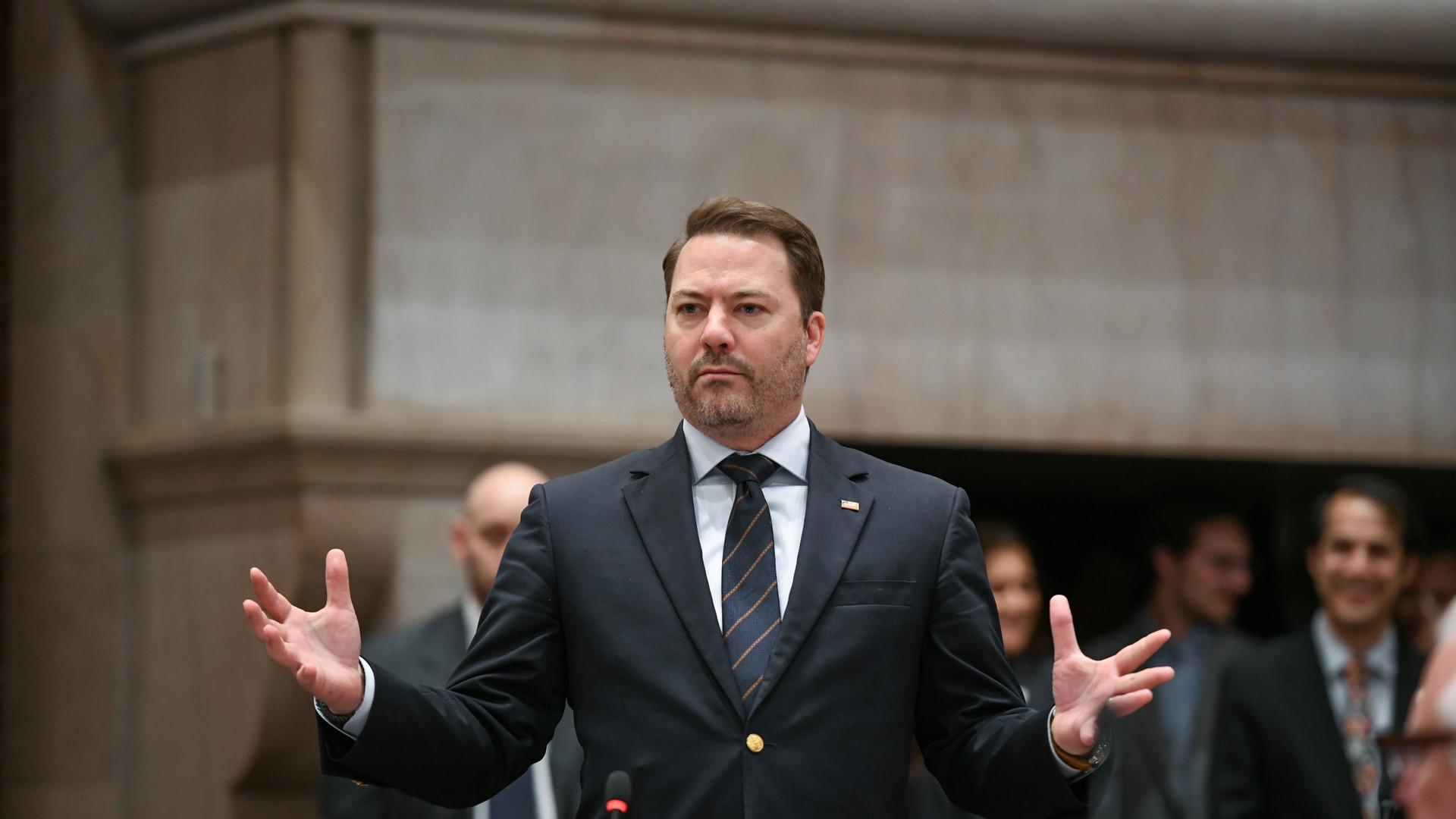
"This industry will come to an end, and we have a responsibility to the workers whose livelihoods depend on it," Mamdani said at the signing. "We will work alongside them to ensure they have the financial support and career opportunities they need to build their next chapter."
Under the law, every carriage license expires on May 31, 2028, and the city will issue no new ones. The Council said owners must certify to the city Health Department by June 1, 2027, that none of their horses will be sold or transferred for slaughter or to another carriage operation, and that owners may keep their horses. Allie Taylor, who heads the mayor's animal welfare office, said sanctuaries and rescue groups are ready to take the animals into retirement.
The law also orders the administration to produce a transition plan for the industry by April 1, 2027. That plan must include a workforce program for drivers and stable workers. It must also consider, without being required to adopt, paying owners for what their businesses, licenses and gear were worth. City Hall said it would support roughly 200 affected people, including medallion owners, drivers and stable hands, through medallion buybacks and a new job training program run with the Department of Small Business Services. The mayor also said he would order a feasibility study of electric pedal-assist bikes and electric carriages as possible alternatives in Central Park.
The lawsuit, Chiarello v. City of New York, No. 1:26-cv-10154, was filed in New York's Southern District, the federal court in Manhattan. The plaintiffs include John Chiarello, president of Transport Workers Union Local 100, and John Samuelsen, who leads the international Transport Workers Union. Medallion owner Medet Fidan, Christina Hansen and driver David Koch sued on behalf of classes of owners, lessees and drivers.
The complaint says medallions changed hands for between $300,000 and $400,000 apiece before the law, and it cites city-approved transfers, including a $350,000 sale in 2016 and a $300,000 sale in 2017. At those prices, the plaintiffs argue, the 68 medallions held by 63 owners carried between $20.4 million and $27.2 million in licenses by themselves, several times an estimate near $70,000 a medallion that the complaint attributes to the city's consumer protection agency. The plaintiffs say the city never commissioned an independent appraisal and never estimated what compensating owners, drivers and stables would cost. The complaint states that "just compensation should be fixed by an independent valuation of each interest taken, which the City never undertook."
The suit also targets provisions that took effect immediately and halted the transfer of medallions. It raises claims under the Takings, Contracts and Due Process clauses, as well as the state constitution, and it asks a judge to restore transfers while the case proceeds. The plaintiffs also seek expedited discovery and damages.
"It strips horse-carriage owners of the city-issued medallions that they purchased for hundreds of thousands of dollars, without mandating or guaranteeing compensation," Samuelsen said in a union statement. The union's lawyers are Arthur Schwartz and Benjamin Kallos, a former City Council member.
The complaint also disputes the safety rationale. It says Mahajan's family, in notices of claim, blamed the horse's bolting on stray voltage from city infrastructure, a hazard the law does not address. It also argues that the law responds to no emergency, given a start date about 19 months out.
Council Speaker Julie Menin said it would protect horses while helping workers move into new jobs, and Marte said it honors the Mahajan family's plea to spare others the same loss. President Donald Trump weighed in on social media in October, writing that "It was a Great Tradition" and "It will be missed!"
The case now goes to a federal judge, who will decide whether to pause the transfer freeze while the city drafts its transition plan. The law still requires horse-drawn carriages to stop running in the city by June 1, 2028.
You Might Also Be Interested In
The MTA Responds to Last Week's Guest Column on Federal Transit Funding

Mamdani's Grocery Math Leaves the City's Private Stores Out of the Equation
New York City Lifted the Working Families Line Over the Conservatives