
New York Fracking Ban Faces Constitutional Challenge
Delaware County mineral owners say state destroyed the value of their property; New York moves to dismiss federal case.
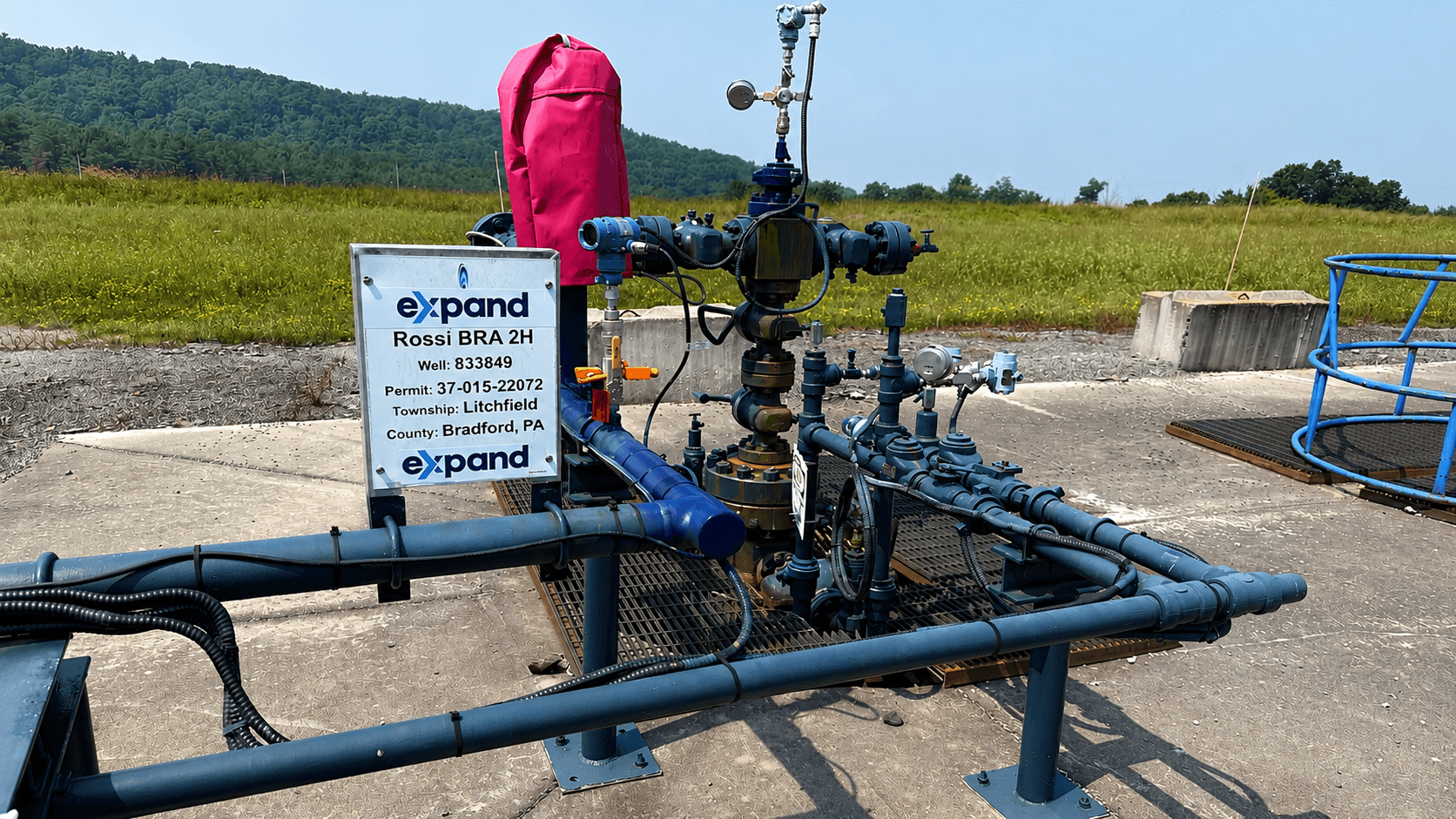
New York’s sweeping ban on hydraulic fracturing is facing a federal constitutional challenge from a father and son who say the state effectively wiped out the value of their natural gas rights without paying them compensation.
Thomas Woodward and Madison Woodward III filed suit in U.S. District Court for the Northern District of New York, arguing the prohibition amounts to an unconstitutional “taking” under the Fifth Amendment.
The Woodwards purchased 164 acres near Sidney in Delaware County in 2011, attracted largely by the natural gas beneath the property. The land sits above the Marcellus and Utica shale formations, which have produced enormous quantities of natural gas across the border in Pennsylvania.
The Woodwards later sold the surface property but retained the mineral rights. Their lawsuit contends those rights have been rendered essentially worthless because New York prohibits commercially viable methods of extracting the gas.
New York imposed a de facto moratorium on high-volume hydraulic fracturing in 2008, formally prohibited the practice based on an environmental review and later codified the ban in state law. The state also imposed restrictions on gelled-propane fracturing and, in 2024, banned carbon dioxide-based fracturing.
The Woodwards are represented by the Pacific Legal Foundation, which argues property owners cannot be forced to shoulder the financial cost of statewide environmental policy without compensation.
The state is fighting back. Attorney General Letitia James’ office has asked the court to dismiss the case, arguing among other things that the Woodwards’ claim is barred by the statute of limitations and that they cannot demonstrate the continuing harm required for the injunction they seek.
Meanwhile, Catskill Mountainkeeper, Food & Water Watch and Delaware Riverkeeper Network have moved to intervene, warning that overturning the prohibition could expose New Yorkers to environmental and public-health risks.
No final ruling has been issued, leaving a potentially significant test of New York’s energy policy and private-property rights moving forward in federal court.
You Might Also Be Interested In
SHOCK STUDY: Tax Hell Shows How New York Bleeds Families Dry

Single-Digit NYS Governor Poll Electrifies New York GOP

Blue State Blakeman Shocker: Single Digit Hochul Lead Shrinks To 9 Points