Congo Ebola Cases Top 12,000
The Bundibugyo strain has no licensed vaccine, and nearly half of those infected have died
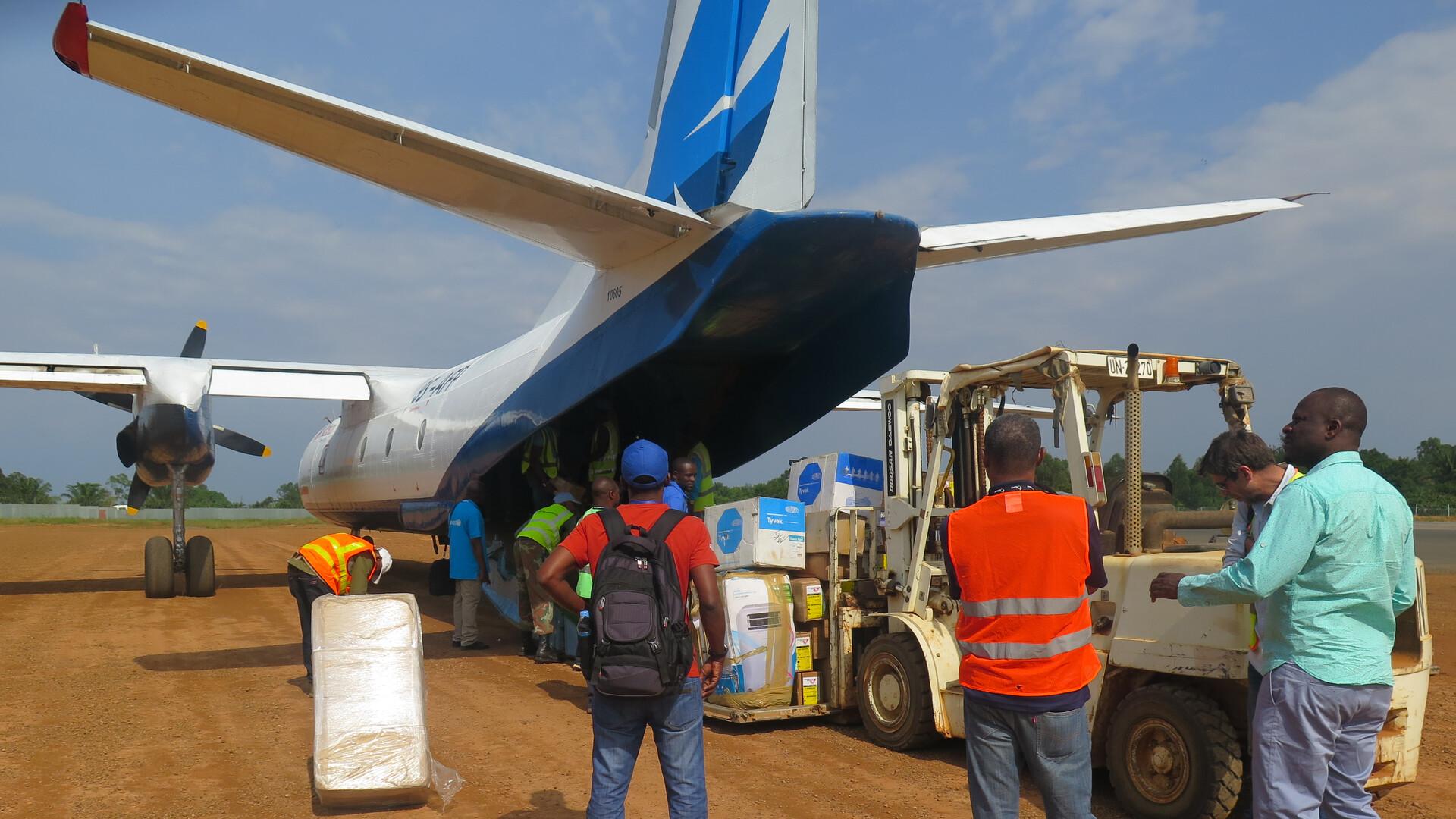
Congo's health ministry said Thursday that confirmed Ebola cases have reached 12,021 in the country's deadliest outbreak, as fighting in the east again forced health teams to pull back.
A bulletin issued the same day, covering counts completed earlier in the week, also listed 5,904 deaths, nearly half of the people known to be infected. The epidemic is Congo's 17th encounter with the virus and now stands as the largest on Congolese soil. Worldwide it remains behind only the West African epidemic of 2014 to 2016, which caused more than 28,000 infections and more than 11,000 deaths.
The outbreak was declared in mid-May in Ituri, and the virus is the Bundibugyo type, an uncommon form. The World Health Organization has said that this strain still lacks a licensed vaccine and a specific drug. A trial under way in Congo is testing whether the Ervebo shot, which is approved only for the Zaire type, can offer protection, and two other candidate vaccines are in line to enter the study, though all of those products remain experimental.
Gunfire returned Thursday morning to Iga-Barriere, a mining center some 15 miles north of Bunia, the Ituri capital and the main base for the response. The clash pitted the national army against the Convention pour la revolution populaire, a militia led by Thomas Lubanga. The group had said earlier in the week that it would halt its push toward the city and leave ground it had just seized, pointing to talks hosted in Uganda. Army officers had claimed to hold the town after earlier battles this week. The new shooting sent more residents fleeing toward Bunia.
Lubanga, once a commander in a previous Ituri militia, was convicted at the International Criminal Court in 2012 for recruiting child soldiers. He finished a 14-year sentence, was freed in March 2020, and announced the present group last year.
Dr. Catherine Smallwood, who is directing the World Health Organization's Ebola operation, said Wednesday that recent fighting had "prevented teams from reaching some communities, disrupted monitoring of people exposed to the virus and left some treatment centers with fewer staff." About a dozen people, including two of the agency's employees and officials from Congo's health ministry, were moved into Bunia on Tuesday, after three days stuck in a hospital in Akwe while gunfire crossed the grounds. Tedros Adhanom Ghebreyesus, the agency's director-general, said the workers had been brought out safely. The organization also shifted a team out of Mongbwalu, an early center of the outbreak, because the area was no longer secure.
The virus spreads when people touch the blood or other body fluids of someone who is sick or has just died. Stopping it depends on isolating the sick and tracing everyone they were near, then burying the dead under controlled conditions. Columns of displaced families moving into Bunia make each of those steps harder, especially when roads are unsafe and some residents still refuse to seek care.
The ministry's latest count shows Ituri accounting for about two-thirds of confirmed infections, with North Kivu next. Last week the World Health Organization kept the outbreak at its highest international emergency level. The director-general, acting on advice from an emergency committee, named rising insecurity as the chief barrier to expanding the work. Kenya and Nigeria, which each had earlier imported cases, have started a 42-day watch and had no new infections in the most recent official update.
Tedros has said that hospitals, Ebola crews and aid workers must be protected at all times. Until the fighting eases around the towns that still feed new infections, teams already pulled out of the field will struggle to close the gaps the virus is using.
You Might Also Be Interested In
Ukraine Offers Black Sea Farm-Cargo Truce and Awaits Russia's Answer

U.S. Forces Disable Sixth Ship Since Iran Blockade Resumed
Kim Jong Un Calls for Broader Use of Tactical Nuclear Weapons