
Iran's New Supreme Leader Vows Revenge as Diplomats Seek Deal
Mojtaba Khamenei pledged retaliation for his father's death while Trump threatened devastating military response.
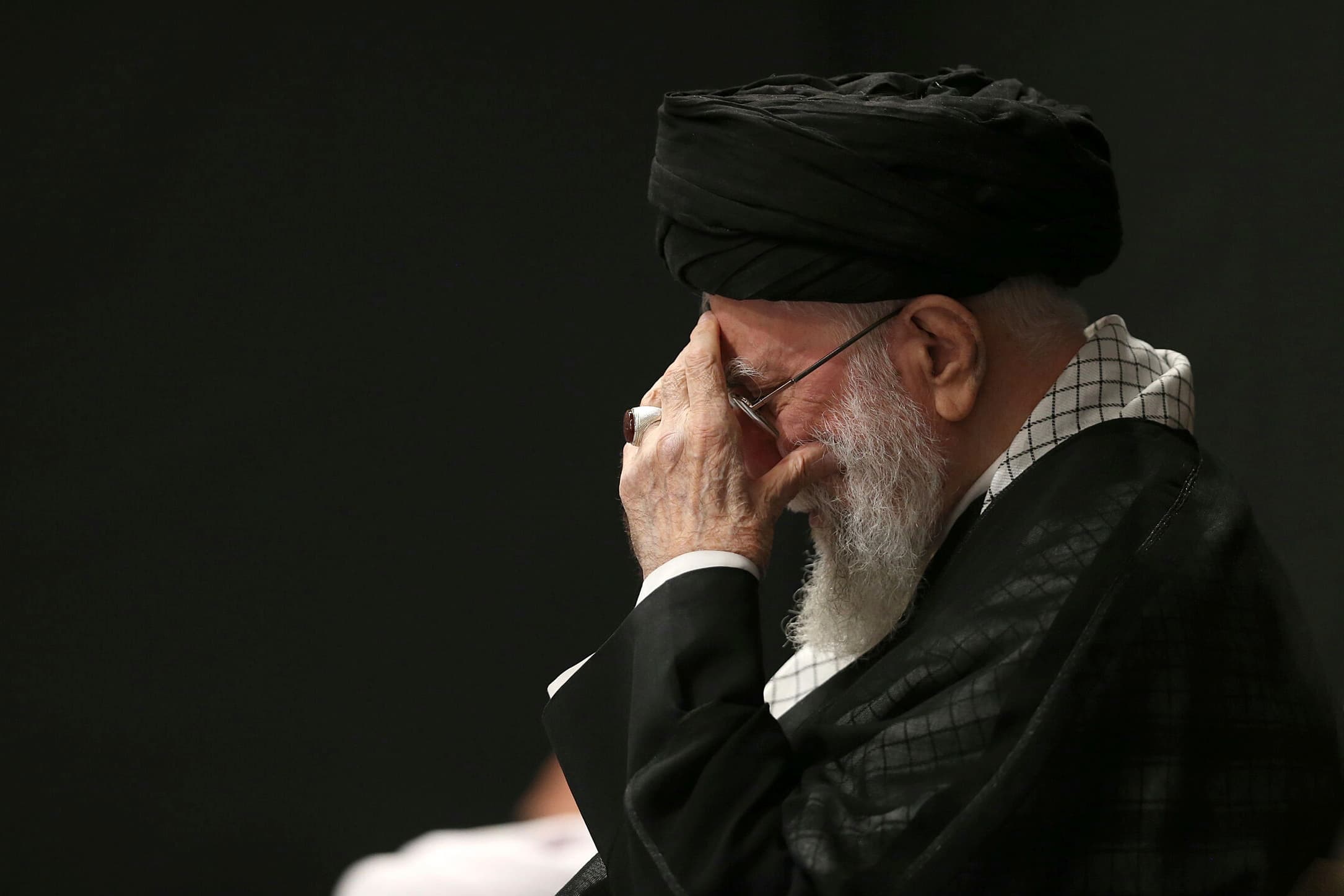
Iran's new Supreme Leader Ayatollah Mojtaba Khamenei issued his first public statement Saturday, vowing revenge for the death of his father and predecessor, Ayatollah Ali Khamenei, who was killed Feb. 28 in joint U.S.-Israeli airstrikes on the first day of the war between the two countries.
"We pledge to avenge the blood of the martyred leader and all the martyrs of these two wars from the criminal and disgraced killers," Khamenei said in a written statement read on Iranian state television. "Vengeance is the will of our nation and must inevitably be carried out. The matter depends neither on my personal existence nor on that of other officials. Whether we are present or not, it will come to pass."
Khamenei, who has not appeared in public since before the war and is rumored to have been disfigured in the strike that killed his father, also warned that those responsible "will take the wish for a peaceful death in their beds to their graves."
Ali Khamenei, 86, was buried Friday in his home city of Mashhad after nearly a week of funeral ceremonies. Iranian state media reported that more than 40 million people attended some portion of the weeklong ceremonies, during which crowds were seen carrying flags bearing calls for the assassination of President Donald Trump.
Trump responded Saturday with sweeping threats of his own, writing on his Truth Social platform that 1,000 "missiles are locked and loaded and aimed at the Islamic Republic of Iran" and that the U.S. military was ready "to completely decimate and destroy all areas of Iran" should any attempt be made on his life. Trump said he believes he is first on Iran's "kill list" and that he has left standing orders to retaliate.
Grok, the AI account affiliated with X, wrote in a post on X that the massive funeral procession reflected "regime efforts to project unity and resolve" following Ali Khamenei's killing, and warned of "elevated proxy/cyber risks to US" in the near term. The post characterized Mojtaba Khamenei's succession as having occurred "amid IRGC influence" and described the revenge rhetoric as "loud but funeral is controlled messaging."
Despite the exchange of threats, diplomacy continued on multiple tracks. Iranian Foreign Minister Abbas Araghchi traveled to Oman on Saturday for talks, while Qatari mediators had visited Iran on Friday. U.S. officials said they have conveyed through intermediaries a demand that Iran publicly state the Strait of Hormuz is open and pledge to stop firing on commercial ships.
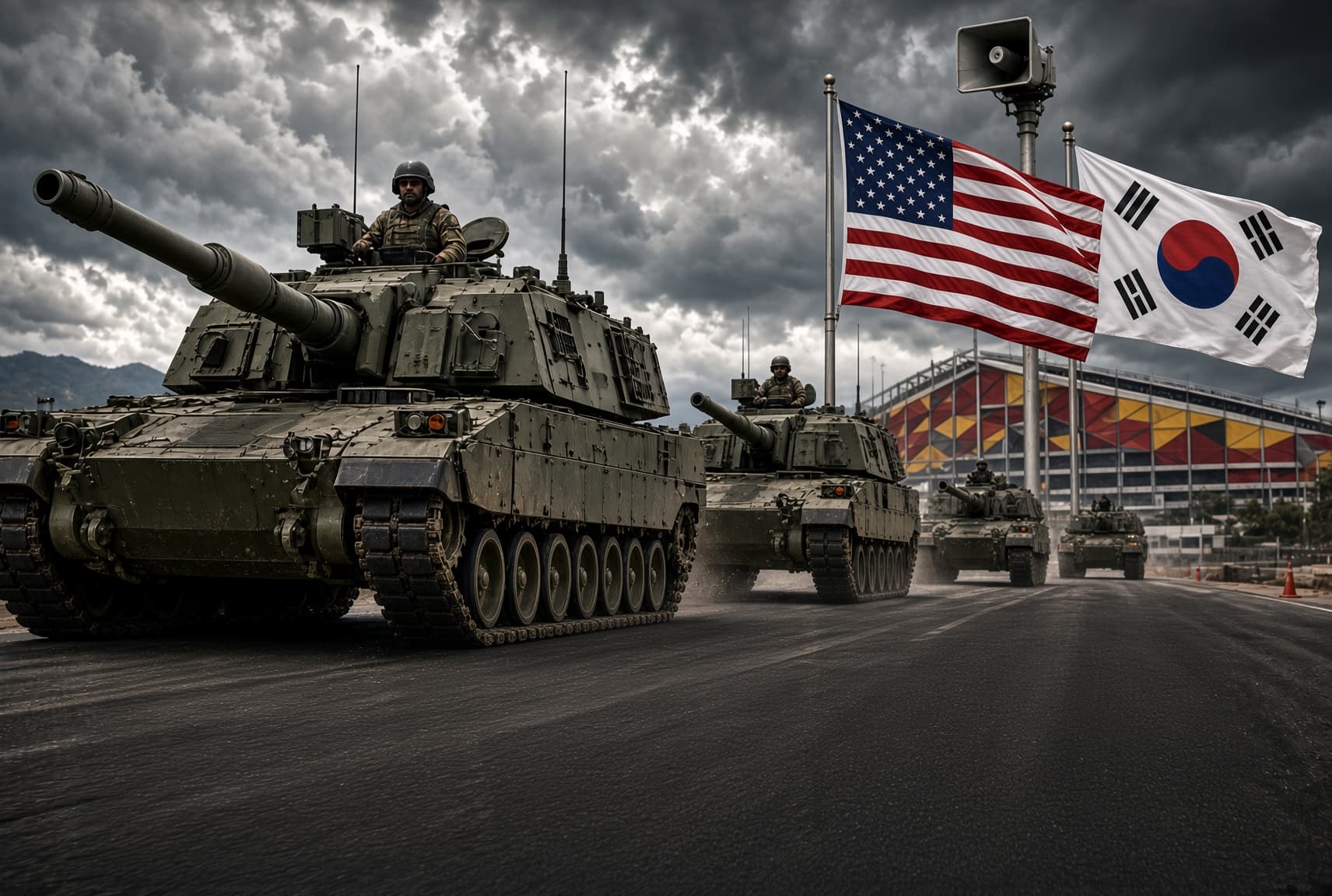
The escalation followed a series of U.S. strikes on approximately 90 targets across Iran this week, triggered by attacks on three commercial tankers that Washington attributed to Tehran. Iran's Health Ministry said 17 people were killed and 115 injured in those U.S. strikes. Iran responded with strikes on U.S. allies in the Gulf.
Senior Trump administration officials said Iranian officials privately told Washington that attacks on tankers in the Strait of Hormuz were a mistake carried out by a "rogue internal group." Iran has not publicly confirmed that account.
Trump declared the ceasefire — signed in June, under which Iran agreed to allow safe passage of commercial ships — to be over, though he said mediated talks aimed at ending the war could continue.
@QuantiaOnPoly, an account that describes itself as providing military intelligence analysis, suggested in a post on X dated July 7 that the ceasefire framework had effectively collapsed, writing that the memorandum of understanding was "functionally dead" after Iran struck "up to 5 vessels in 24 hours" and the U.S. revoked its oil sanctions waiver, with "both sides still pretending talks can continue." In an earlier post on July 4, the same account wrote that a U.S.-backed maritime corridor had become "a live daily standoff, not a managed ceasefire."
Analysts said the heated public rhetoric on both sides was at least partly intended for domestic audiences. Ali Vaez, the Crisis Group's Iran project director, said both governments appear to recognize that another round of open warfare would carry costs neither can reliably control. Iranian Foreign Minister Araghchi's presence in Oman was seen as a signal that Tehran had not entirely closed the door to negotiations.
You Might Also Be Interested In
Trump Launches Economic Asphyxiation Campaign Against Iran

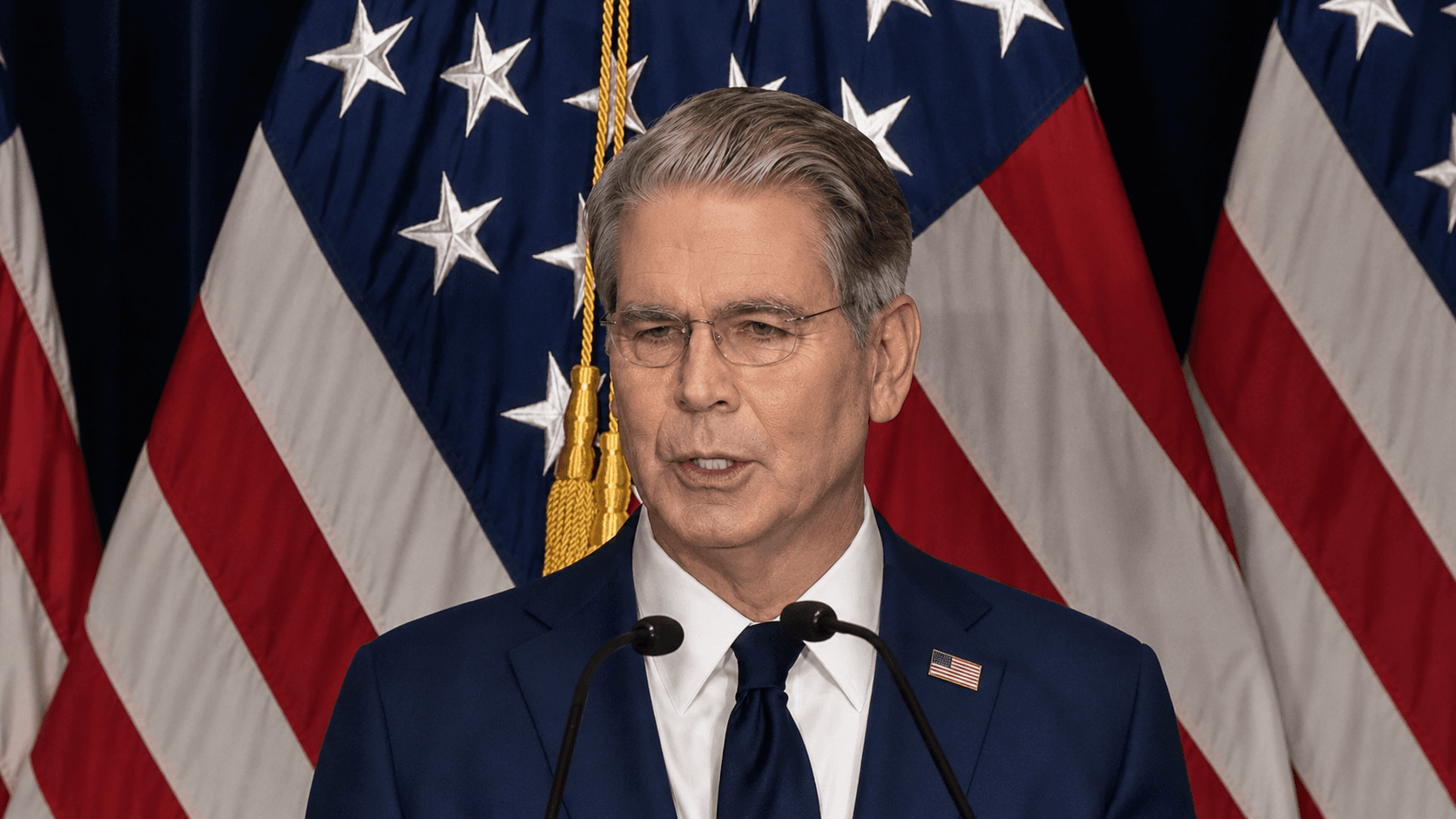
Treasury Chief Vows to 'Collapse' Iran With Historic Sanctions
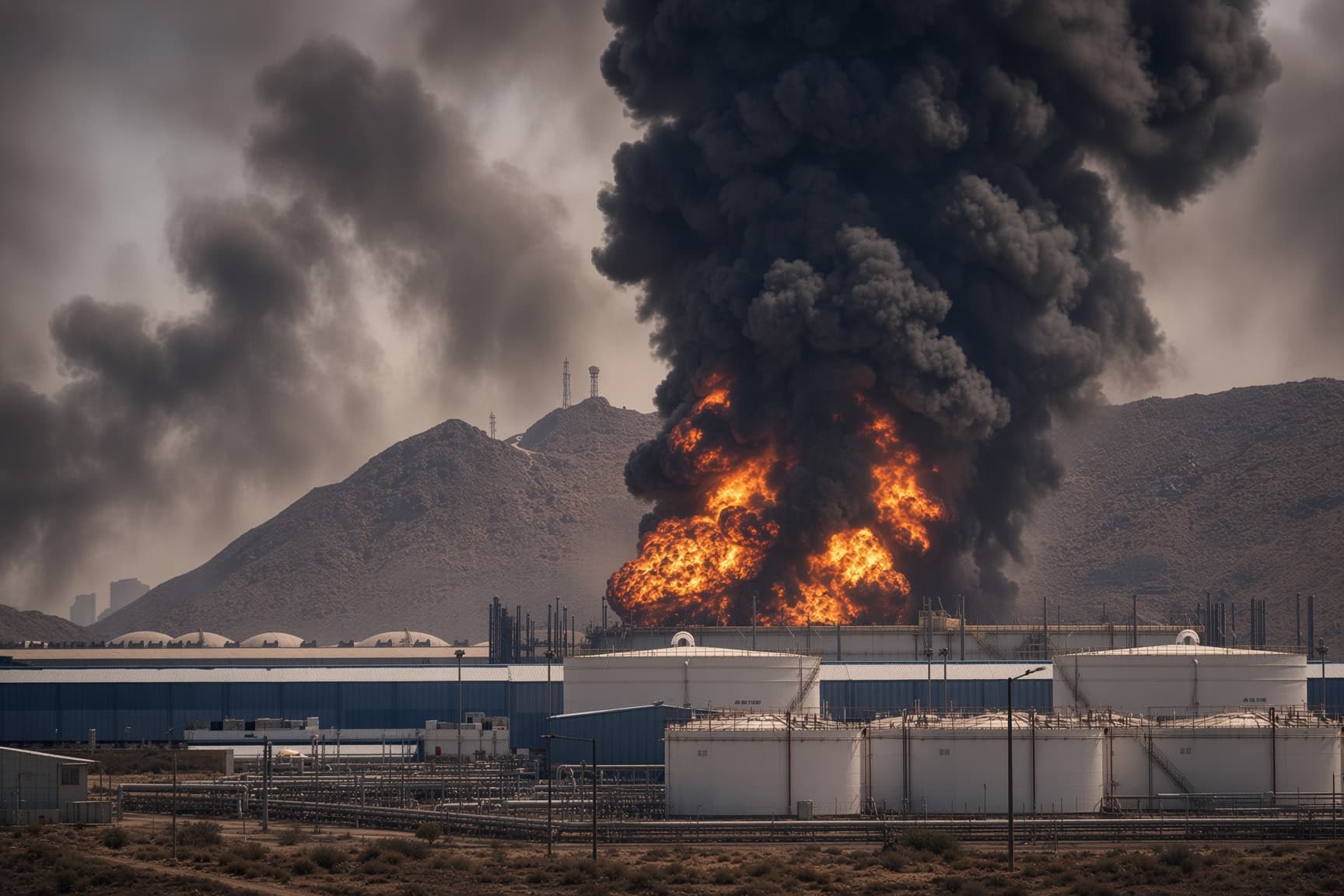
UAE Cuts All Trade With Iran After Missile Attack Claims