
Treasury Chief Vows to 'Collapse' Iran With Historic Sanctions
Bessent threatens secondary penalties on any nation that continues doing business with Tehran

Treasury Secretary Scott Bessent declared Thursday that the United States will impose what he called the toughest sanctions in history against Iran, promising the campaign would topple the country's government and warning every nation on earth to choose sides.
"We are going to collapse this regime," Bessent said in a television interview. "It is time for our allies and the rest of the world to make a decision. You are either with us or against us."
Bessent described the overall effort as "the greatest coordinated economic isolation in the history of the world," combining the existing naval blockade of Iranian ports with a new wave of financial penalties against Tehran.
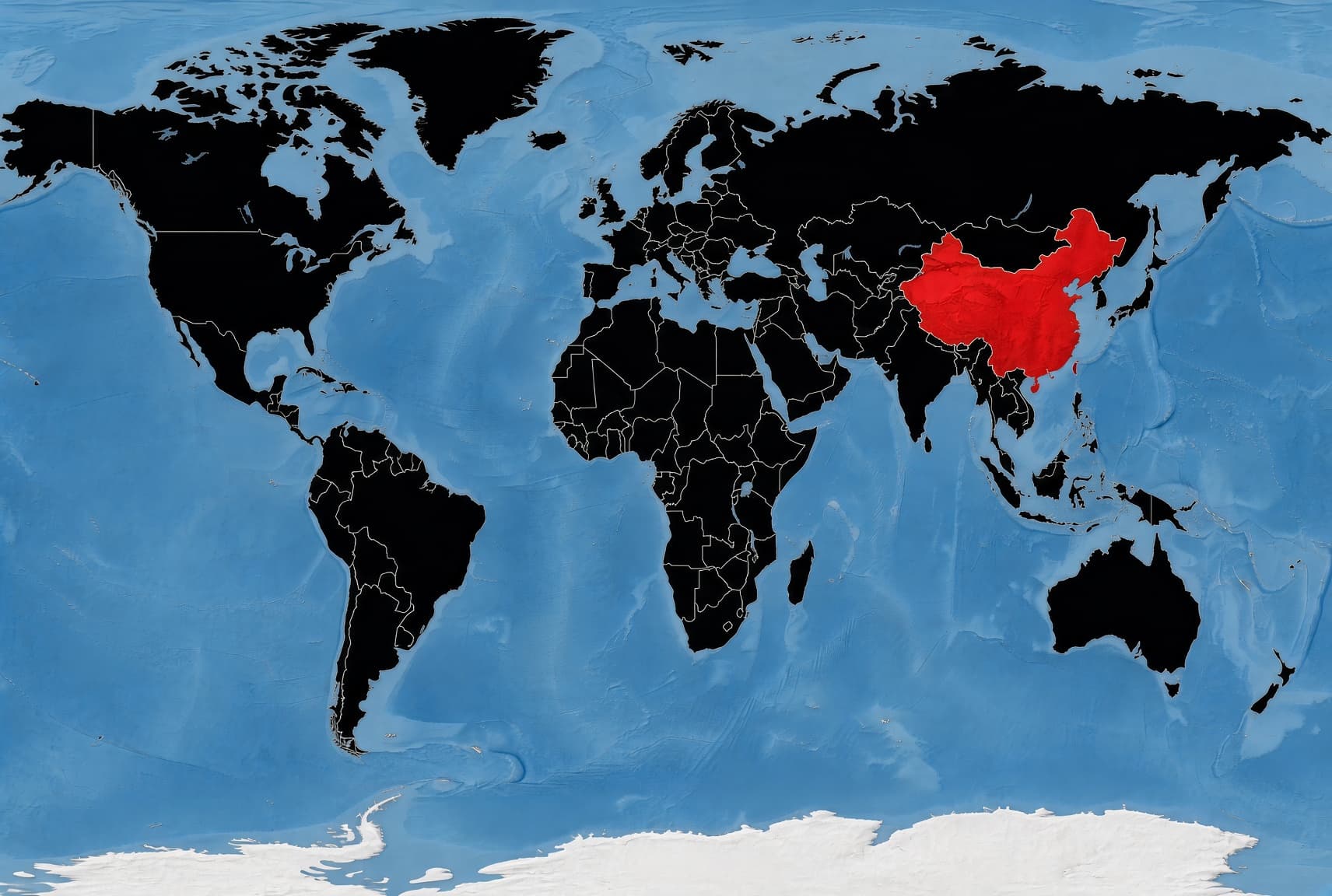
Any foreign bank, company, or government that transfers money to Iran, purchases its oil, or moves goods by sea on its behalf will face the full weight of U.S. Treasury enforcement, Bessent said. He did not name specific countries but noted that China receives roughly half its energy from the Gulf region, arguing Beijing would benefit from falling oil prices once the strait reopened.
Bessent said details of the new measures would be made public at a press conference on Aug. 24.
President Donald Trump set the stage Wednesday night, promising "the most crushing economic operation ever taken against any country" and threatening "tremendous consequences" for any nation that extends a lifeline to Iran's government.
Bessent characterized the economic pressure as a way to minimize what he called the need for a large-scale military resumption of hostilities. The U.S. and Israel launched strikes against Iran in February, citing the country's pursuit of nuclear weapons — an allegation Tehran has denied. Iran responded with attacks on U.S. bases and Israeli targets across the Middle East, and has since restricted passage through the Strait of Hormuz, the waterway through which roughly 20 percent of the world's oil and liquefied natural gas previously flowed freely. Global energy prices have lurched sharply higher since the closure.
The two sides reached ceasefires in April and again in June, both aimed at restarting negotiations. Those talks have stalled, and the truce has repeatedly broken down, though full-scale combat has not resumed.
Also Thursday, the Treasury Department separately designated 10 individuals tied to Hezbollah, the Iranian-backed Lebanese group, including a Turkish businessman accused of funneling funds to the organization.
Bessent pointed to past U.S. economic campaigns as a template for success, saying the strategy "worked in Venezuela once we put up the blockade" and "is working in Cuba right now," and vowing it would produce the same result against Tehran. Reaction on X centered on the bluntness of his regime-change language, with users widely circulating the "collapse this regime" declaration as a signal of how far Washington intends to push the pressure campaign.
Iran's Foreign Minister Abbas Araghchi dismissed the economic threats Thursday, saying such "failed policies" would only deepen Iranian resentment and "bring more failures." Araghchi accused the U.S. of using financial pressure to distract its own public from domestic economic problems.
Iranians themselves have faced severe hardship for months. Official figures showed that in the 12 months through February, the price of basic goods rose an average of 60 percent, while food prices doubled. Earlier this year, widespread protests broke out over the soaring cost of living, with demonstrators blaming the government.
Whether major oil buyers such as China and India — neither of which participated in the military campaign — will comply with U.S. secondary sanctions remains the central question. Asked directly whether China would be targeted, Bessent declined to answer, saying some conversations are best held in private.
You Might Also Be Interested In
Russia Hits Second Kyiv Bridge, Renews Warning for Diplomats to Leave
UN Official Says U.S. Drug-Boat Strikes May Be Crimes Against Humanity

Vatican Puts Crowd at 800,000 for Pope Leo's Mass in Paris