
Trump Links Saudi Nuclear Deal to Israel Normalization, Bars Enrichment
The president's surprise conditions added new uncertainty to a pact already drawing fire from nonproliferation experts.

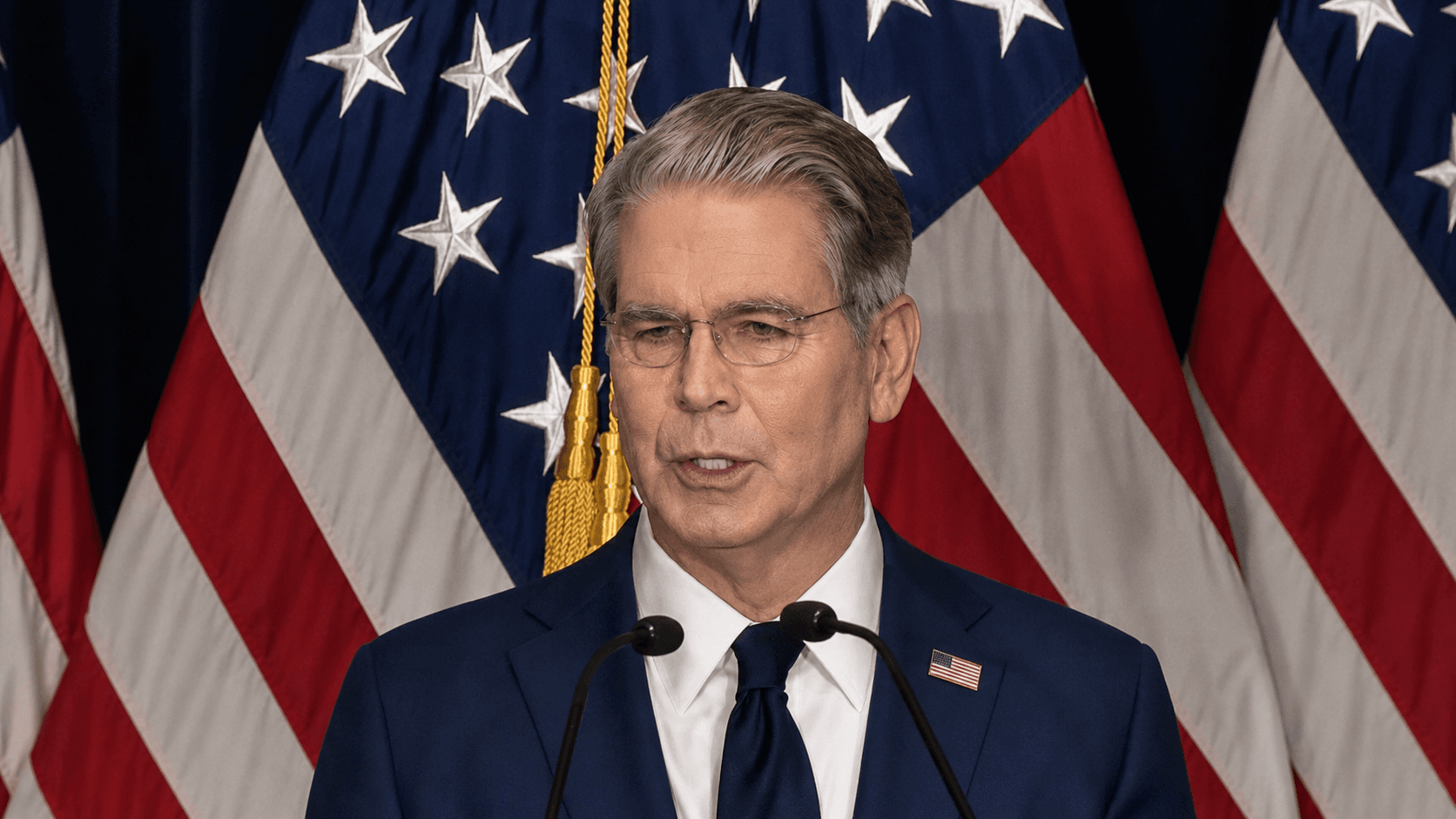
President Donald Trump declared Thursday that the landmark civilian nuclear cooperation agreement signed with Saudi Arabia a day earlier would not take effect unless the kingdom first normalizes diplomatic relations with Israel under the Abraham Accords — a condition that was not publicly disclosed when the deal was announced and that Saudi Arabia has long resisted.
Trump also stated flatly that the agreement prohibits uranium enrichment inside Saudi Arabia, writing on Truth Social: "There will be no enrichment of material!" His post added that the deal "pertains only to non-military use" and is "totally subject to Saudi Arabia joining the very respected and successful Abraham Accords."
White House press secretary Karoline Leavitt subsequently told reporters that Trump considers the nuclear agreement void if Riyadh does not join the accords. "This deal with Saudi Arabia is contingent on this condition as far as the president is concerned," Leavitt said. "We'll continue to talk with our Saudi counterparts to get the deal finalized and hopefully see them join the Abraham Accords very soon."
The agreement was signed Wednesday in Washington by U.S. Energy Secretary Chris Wright and Saudi Energy Minister Prince Abdulaziz bin Salman. The Energy Department described it as a "peaceful nuclear cooperation agreement" laying the foundation for a decades-long, multibillion-dollar partnership that would give American firms significant access to Saudi Arabia's emerging nuclear energy program. A separate bilateral safeguards agreement was also signed. The full text of neither document has been released.
Saudi Arabia did not immediately respond to Trump's posted conditions. Riyadh has historically insisted that normalizing ties with Israel cannot occur without a credible path toward Palestinian statehood — a position that Israeli Prime Minister Benjamin Netanyahu has publicly rejected. Netanyahu's office nonetheless welcomed the prospect of Saudi Arabia joining the accords, calling it "an historic leap forward for peace in the Middle East," though it made no mention of the nuclear agreement.
Trump's claim that the deal bars enrichment appeared to contradict earlier reporting. Multiple news organizations had previously described the agreement as allowing for the potential construction of a uranium enrichment facility on Saudi soil, pending a joint U.S.-Saudi feasibility study. A person familiar with the deal, speaking anonymously, told one outlet that such a provision remained in the agreement. The White House did not address that discrepancy.
The deal does not include the International Atomic Energy Agency's "additional protocol," which would allow for more rigorous inspections and monitoring, according to people familiar with the agreement.
The accord must be sent to Congress for review under the Atomic Energy Act. Lawmakers on both sides of the aisle have voiced concern. Sen. Chris Murphy of Connecticut warned the pact "will set off a nuclear race in the region, further disincentivizing Iran from limiting its own program." Secretary of State Marco Rubio, speaking from Manila, framed the deal as a commercial opportunity, noting that China, Russia, France and South Korea were competing for Saudi Arabia's nuclear business. "We're not the only show in town, but we're the best show in town," Rubio said.
Nonproliferation analysts noted that Trump's statements introduced additional ambiguity rather than resolving it. The Abraham Accords, brokered during Trump's first term, were signed by the United Arab Emirates, Bahrain, Sudan, Morocco and Kazakhstan. Saudi Arabia, the Arab world's most influential state, has declined to join despite sustained U.S. pressure.
South Korea swiftly took note of the deal's terms, pointing out that Washington has long denied Seoul similar enrichment rights despite decades of close alliance. The episode drew fresh attention to what critics described as an inconsistent application of U.S. nuclear nonproliferation policy.
You Might Also Be Interested In
Russia Strikes Ukraine's Intelligence HQ as U.S. Envoys Head to Region
How Much Oil and Gas Does The Earth Have Left To Give?
Film Examines China’s Efforts to Weaken America