

How Much Oil and Gas Does The Earth Have Left To Give?
From Venezuela’s immense oil fields to the Marcellus Shale beneath the Northeast, the planet still holds extraordinary quantities of fossil fuel
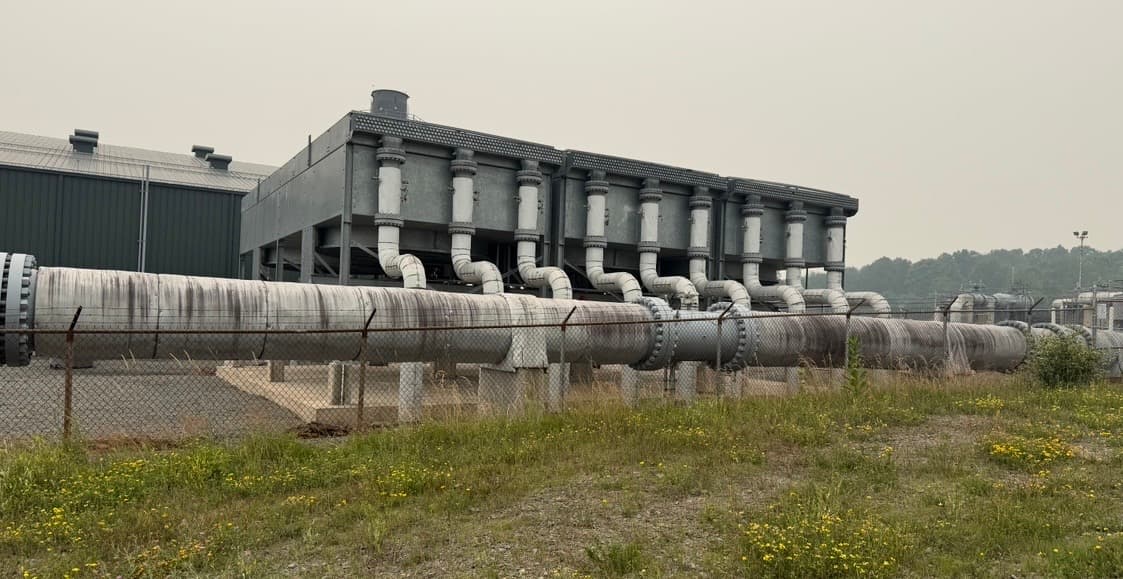
For more than a century, humanity has extracted oil and natural gas at a staggering pace, yet the Earth still holds enormous quantities beneath its surface.
Venezuela provides perhaps the most dramatic example. The country has approximately 303 billion barrels of proven crude oil reserves — about 17% of the world’s total — much of it concentrated in the massive Orinoco Belt.
And Venezuela is only one example of the enormous stores of energy that remain beneath the Earth’s surface.
Stretching beneath Pennsylvania, West Virginia, Ohio and parts of New York is the Marcellus Shale, one of the world’s great natural-gas formations. The U.S. Geological Survey estimates it contains another 96.5 trillion cubic feet of undiscovered, technically recoverable natural gas. Combined with the nearby Utica formation, the estimate climbs to approximately 214 trillion cubic feet.
And those formations are only pieces of a global geological puzzle.
Saudi Arabia and other Middle Eastern nations retain enormous petroleum reserves, while Canada holds vast oil-sands deposits. Russia, Iran and Qatar possess huge natural-gas resources as well. Exploration continues to identify additional deposits offshore and in previously inaccessible formations.
New technology can transform resources once considered unreachable into recoverable reserves. Horizontal drilling and hydraulic fracturing dramatically changed estimates for American shale gas, for example. USGS noted that its Marcellus resource estimate increased from 2 trillion cubic feet to 84 trillion and eventually about 97 trillion as geological knowledge and extraction technology improved.
What happens to that energy can be determined above ground as much as below it. New York, for example, sits atop part of the gas-rich Marcellus Shale but prohibits the high-volume hydraulic fracturing used extensively across the border in Pennsylvania.
From Venezuela’s oil fields to the Marcellus and massive reserves across the Middle East, Russia and Canada, the numbers point to a common conclusion: after more than a century of large-scale production, enormous quantities of oil and natural gas remain beneath the Earth’s surface.
You Might Also Be Interested In

Trump Drops Bomb On Socialist Democrats

Before you vote this November, remember these illegal immigration stats

Lalota’s Hypocrisy Leaves NY-1 Without a Candidate Worth Endorsing