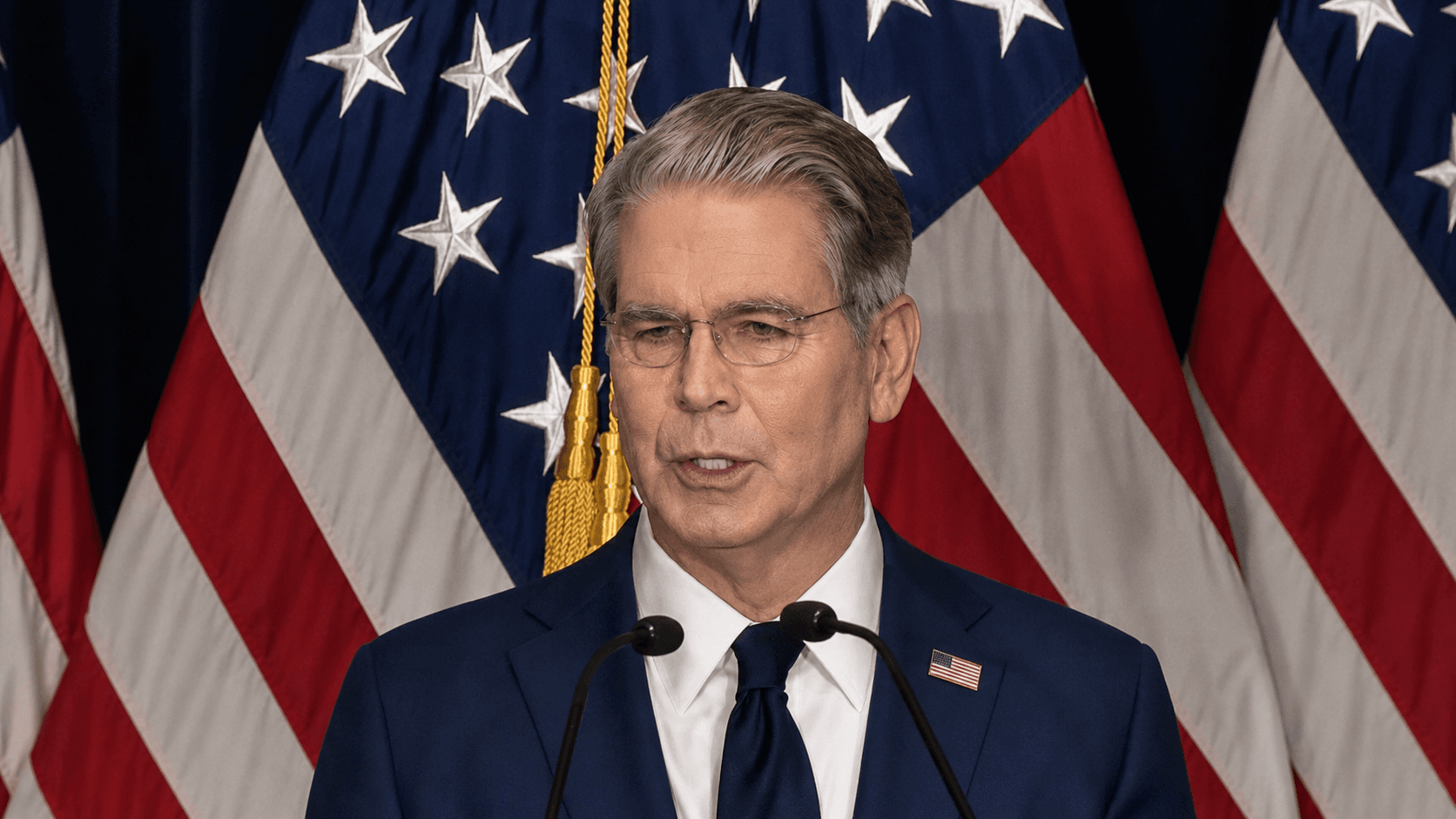

Trump Signs Nuclear Deal With Saudi Arabia, Alarming Israel
The agreement allows American companies to build civilian reactors in the kingdom without key anti-proliferation safeguards
The Trump administration on Wednesday inked a nuclear cooperation agreement with Saudi Arabia that grants U.S. companies preferred access to supply the kingdom's civilian energy program with reactors and fuel — a move that immediately drew fire from Israel and arms-control specialists who cautioned it could ignite a nuclear arms race in the Middle East.
According to an administration memo outlining the terms, Riyadh committed to refraining from reprocessing any American nuclear material for weapons purposes. Even so, the pact falls short of the so-called "gold standard" that would prohibit Saudi Arabia from enriching uranium using U.S. technology or fuel obtained from outside suppliers. The kingdom is also under no obligation to accept enhanced inspections from the International Atomic Energy Agency — safeguards that were included in a comparable U.S. agreement struck with the United Arab Emirates in 2009.
Saudi Crown Prince Mohammed bin Salman has pursued a nuclear cooperation deal with Washington for over a decade. Previous administrations had demanded that the kingdom first establish normalized relations with Israel, but the Trump White House abandoned that precondition — a choice analysts characterized as reflecting the administration's broader inclination toward transactional economic arrangements rather than diplomatic benchmarks.
"Countries in the Middle East want to develop their nuclear infrastructure and they're going to do it even if the US is not involved," said Yusuf Can, a Middle East expert at consulting firm Amena Strategies. "The US is basically saying you don't have to work with China. You can work with us."
The world's top crude oil exporter, Saudi Arabia has stated its goal of using nuclear power to free up petroleum for global markets while meeting surging domestic electricity needs. Energy analysts expect the kingdom's nuclear buildout to unfold over several decades and generate billions of dollars in contracts.
President Trump addressed the agreement directly in a post on X, saying the civil nuclear deal will include no enrichment of nuclear materials and will be contingent on Saudi Arabia joining the Abraham Accords. "The Civil Nuclear Deal (There will be no enrichment of material!) being made between the United States Department of Energy and Saudi Arabia… will be approved, but is totally subject to Saudi Arabia joining the very respected" accords, Trump wrote.
Israeli officials responded with sharp concern. Former Defense and Foreign Minister Avigdor Lieberman warned the agreement could drag the entire region into a spiraling nuclear arms race. Former Prime Minister Ehud Barak interpreted the deal as evidence of a deepening rupture between Prime Minister Benjamin Netanyahu and President Trump. Opposition leader Yair Lapid characterized it as a "total failure" of Netanyahu's diplomacy, saying it was the prime minister's job to prevent a Saudi nuclear program.
Yoel Guzansky, a senior researcher at Israel's Institute for National Security Studies, identified the clause permitting Saudi Arabia to conduct uranium enrichment on its own territory as the crux of the controversy. He noted that prior U.S. administrations had uniformly refused to allow in-country enrichment, and he cautioned that the agreement could lead the UAE to push for a renegotiation of its own more restrictive 2009 nuclear pact.
The crown prince declared in 2018 that Riyadh would pursue a nuclear weapon if Iran obtained one. Harvard University nuclear nonproliferation scholar Matthew Bunn acknowledged that the kingdom's energy rationale was legitimate, but argued that Saudi Arabia also wanted to "provide the foundation, over time, for having more options to move toward nuclear weapons, should they feel the need."
The agreement arrives while U.S. forces are actively conducting strikes against Iran — a backdrop that analysts said both magnifies the deal's strategic weight and stokes anxiety across the region. Congress has 90 days to review the pact before it can take effect.
You Might Also Be Interested In
Russia Strikes Ukraine's Intelligence HQ as U.S. Envoys Head to Region
How Much Oil and Gas Does The Earth Have Left To Give?
Film Examines China’s Efforts to Weaken America