

U.S. and Iran Halt Strikes as Diplomats Push Ceasefire Deal
Both sides paused attacks for two consecutive nights, with talks focused on reopening the Strait of Hormuz
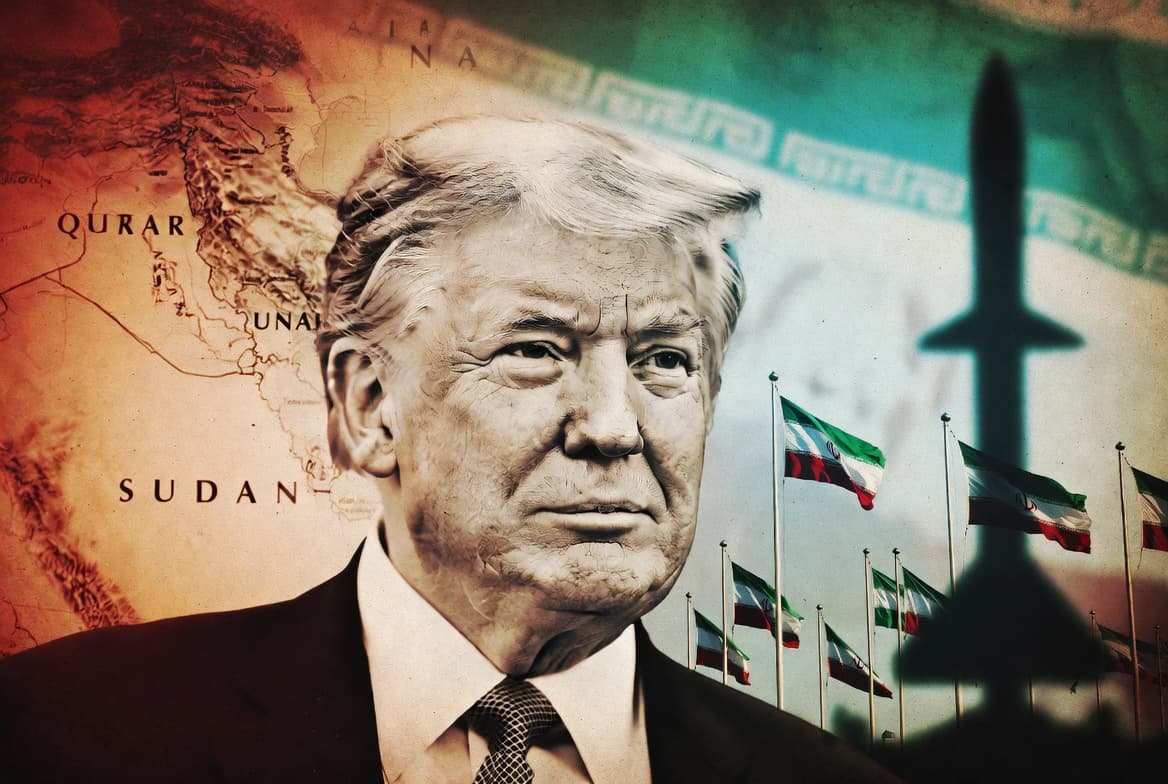
The United States and Iran each held off on military strikes for a second straight day Sunday, as mediators worked to revive an interim ceasefire agreement that had collapsed earlier this month and restore commercial shipping through the Strait of Hormuz.
The Pentagon did not immediately explain the halt to offensive operations against Iranian targets after nearly two weeks of near-daily bombardment. White House communications director Steven Cheung said President Donald Trump "has always been consistent in saying he prefers a diplomatic solution" but retains all military options if Iran continues what the administration characterizes as hostile activity in the strait or against U.S. allies.
Iran's army confirmed Sunday that it, too, had suspended retaliatory strikes while the pause held. A regional official involved in mediation told reporters that the mutual stand-down was "a positive signal that helps efforts to de-escalate," and that both governments want to return to the interim agreement signed in mid-June. That official was not authorized to speak on the record.
U.N. Ambassador Mike Waltz said Trump was giving diplomatic talks "some space." Iran's Foreign Ministry spokesman Esmaeil Baghaei said discussions with Oman over managing safe passage through the strait had made progress.
Despite the pause in airstrikes, the U.S. naval blockade of Iran's southern ports remained in force. The U.S. military's Central Command said as of Saturday it had redirected a dozen commercial vessels attempting to run the blockade, disabled two that did not comply, and boarded two others. An oil tanker also blew up Sunday after striking a mine in the strait, according to Iranian state media, which said the vessel had strayed from Iran's designated shipping route. Iran separately claimed it had turned back at least six ships in the previous 24 hours.
Traffic through the Strait of Hormuz, which once carried roughly 20 percent of the world's oil supply, has fallen by about 70 percent since the ceasefire broke down earlier in July, according to reports. Oil prices rose again last week to their highest point in more than a month.
The human cost of the conflict continued to grow. A Pentagon update Saturday recorded more than 140 additional wounded personnel, bringing total casualties since the U.S. launched its military campaign against Iran on Feb. 28 to 18 troops killed and 624 wounded, according to the Defense Casualty Analysis System. Lawmakers of both parties raised questions last week about transparency after the casualty database showed an unexplained drop in the recorded numbers. The Defense Department attributed the change to a temporary data disruption; a CNN review found fluctuating totals when monitoring the database minute by minute.
Senate and House members pushed back on the administration's approach. Twelve Democratic senators on the Armed Services Committee sent Defense Secretary Pete Hegseth a letter seeking answers on the casualty accounting. Republican Sen. Lisa Murkowski of Alaska expressed concern that the administration was using a ceasefire-clock reset to sidestep a congressional authorization requirement under the War Powers Act.
On Capitol Hill, Defense Secretary Pete Hegseth asked Congress for $67 billion in emergency supplemental funding to cover troop costs and restock munitions that the conflict has depleted. The Pentagon's base budget request already stands at a record $1.5 trillion.
Israeli Prime Minister Benjamin Netanyahu planned to travel to Washington early in the week to meet with Trump. Netanyahu said Sunday he "fully" backs Trump's diplomatic efforts while warning Iran that any renewed attacks on Israel would be a grave mistake.
A new CBS News poll found two-thirds of Americans believe the United States should end the conflict with Iran now, while only 35 percent approve of Trump's handling of the war.
You Might Also Be Interested In

Germany's AfD Claims Historic Win in Saxony-Anhalt State Election
Russia Strikes Ukraine's Intelligence HQ as U.S. Envoys Head to Region
How Much Oil and Gas Does The Earth Have Left To Give?