
Casinos, Cruises and Cracked Foundations: What the Two-Speed Consumer Means for Your Business
Fresh spending data shows Americans still splurging on experiences even as household credit card growth slows to its weakest pace since spring — a gap that Long Island retailers and restaurateurs should take seriously
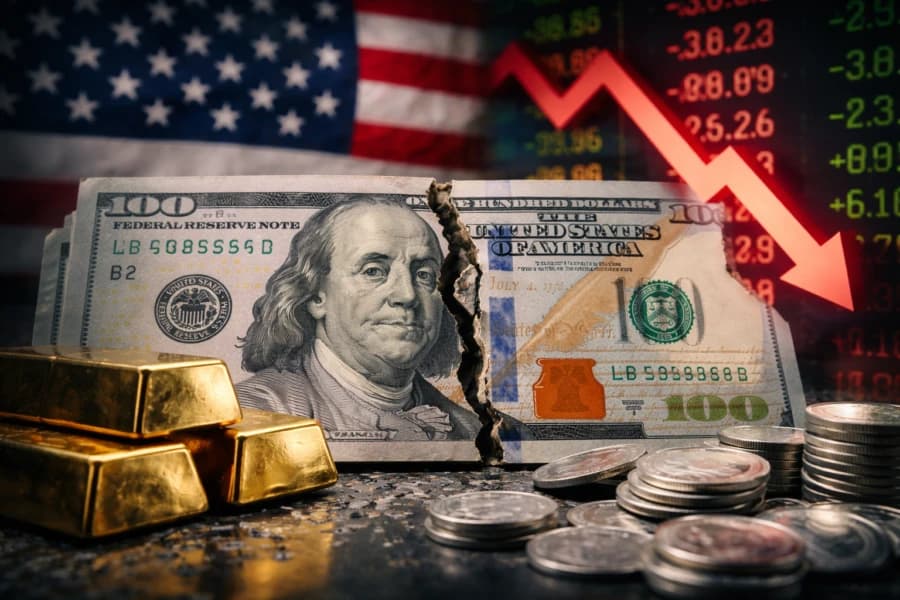
Consumer spending data released this month shows a modest reacceleration — credit and debit card spending rose 4.5% in June, up from 3.5% in May and above the recent six-month average. On the surface, that looks like reassuring news for anyone worried about a slowdown. But the way that spending is distributed tells a more complicated story, and it's one with real implications for how local businesses plan the second half of the year.
The strength is concentrated in travel and experiences. Airlines, hotels, and cruise lines continue to report robust bookings, and industry surveys of cruise sellers point to steady volume and pricing heading into the back half of the year. Restaurant chains, meanwhile, are seeing a more uneven picture: fast-casual traffic has improved modestly, but both limited-service and full-service restaurants saw transaction counts soften compared to the prior quarter, even as average checks rose — a sign that the boost some chains are reporting comes more from price increases than from more people walking through the door.
Gaming data adds another layer. State-by-state casino revenue figures for June show gamblers still showing up at the tables — Illinois casino revenue rose 9% year over year, Iowa was up modestly — but sports betting revenue in some states fell sharply even as the total dollar amount wagered kept climbing. That combination — betting more, losing more, but generating less net revenue for operators — is consistent with a consumer who is still engaged but pulling back on the riskier, more discretionary end of spending. Macau's gaming revenue, a bellwether for discretionary spending among Asian consumers, has also shown continued softness into July.
Put it together and you get a household sector that hasn't stopped spending, but has become considerably more selective about where the money goes. Travel and marquee experiences — the once-a-year vacation, the concert, the cruise already booked and paid for — remain protected. Everyday discretionary spending, the stuff that shows up in casual dining traffic and lower-stakes gambling, is the first thing to get trimmed when a household feels squeezed by gas prices, grocery bills, or general uncertainty.
This pattern is exactly the one Long Island's hospitality-and-retail economy should be watching closely. The South Shore does big business in exactly the categories showing strength — waterfront restaurants, day-trip destinations, seasonal tourism tied to the Hamptons corridor and Fire Island — but it also has a dense population of smaller retailers and casual dining spots that look more like the softening end of the ledger. A local business owner reading the national headlines about resilient consumer spending could reasonably conclude that things are fine. The more useful takeaway is to ask which category your business actually falls into. If you're selling an experience people have already budgeted for months in advance, the data is genuinely encouraging. If you're competing for the marginal, spur-of-the-moment dollar, the same data suggests you're fighting for a shrinking piece of the pie, and price increases to offset softer traffic will only work for so long before customers notice and go elsewhere.
None of this points to an imminent consumer collapse. Wage growth has held up, and the acceleration in June card spending is a genuine positive data point. But the composition of that spending — protected travel budgets against thinning everyday discretionary purchases — is the kind of split-screen economy that tends to produce surprising winners and losers when earnings season arrives. For anyone running a local business or watching the broader economy for signs of where things are headed next, the question isn't whether Americans are still spending. It's which Americans, on what, and for how much longer they can keep prioritizing the vacation over the Tuesday night dinner out.
You Might Also Be Interested In

The Fed's Rate-Hike Whisper Just Got a Bond-Market Megaphone
$40 Trillion Later, Washington Still Hasn't Learned to Balance a Budget
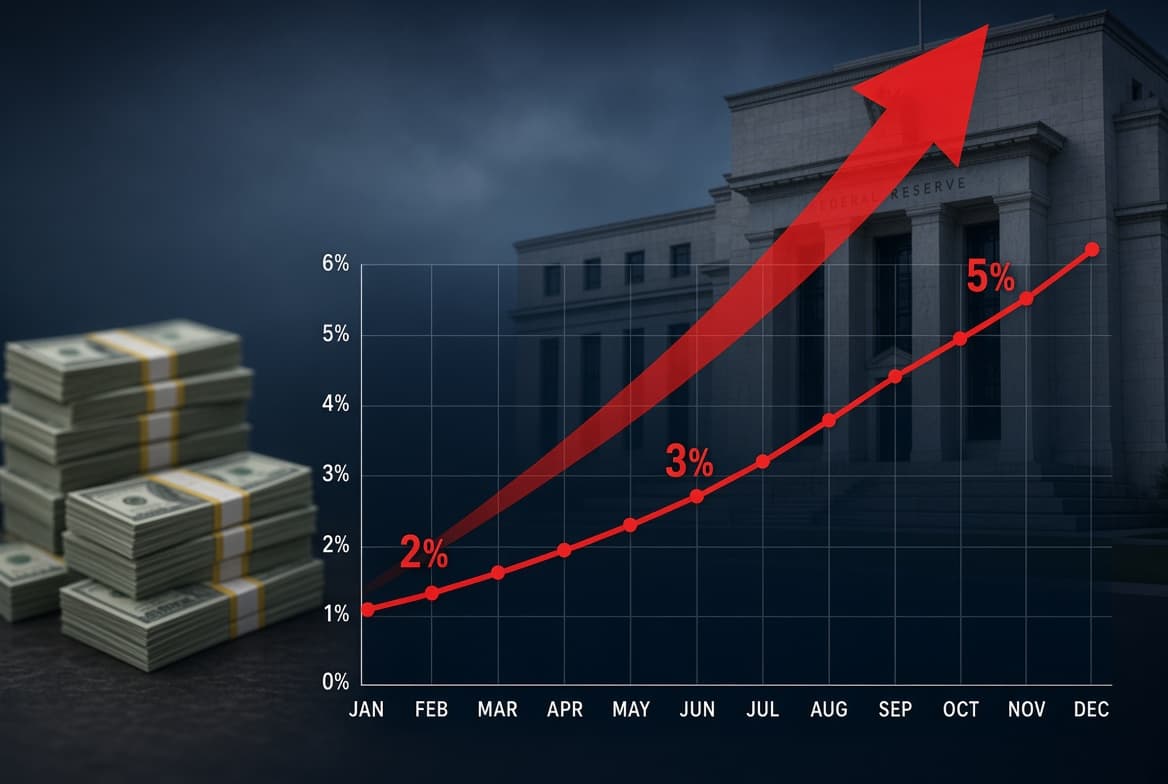
The FOMC Minutes Just Quietly Floated Rate Hikes. Nobody's Pricing That In.