

IBM's Bad Quarter and the Blockade That Wasn't Supposed to Come Back
A mainframe stumble and a reinstated Hormuz blockade landed on the same morning, and both say more about fragility than headlines let on

Tuesday brought two jolts that, on the surface, had nothing to do with each other. IBM told investors its quarterly revenue would come in well short of expectations, driven by weaker mainframe and software sales. And overnight, the White House reinstated a naval blockade posture around the Strait of Hormuz, complete with a proposed 20 percent toll on shipping traffic, as strikes between the U.S. and Iran entered a third consecutive night. Oil jumped, tankers in the strait were reportedly hit, and Brent crude pushed back above $85 a barrel. Neither story was really a surprise. Both are worth understanding for what they reveal about how thin the market's margin for error has become.
Start with the oil story, because it's the one with the more direct line to your wallet. Markets spent the back half of June pricing a de-escalation: tanker traffic through Hormuz was easing, shipping was rerouting around the worst of the risk, and traders treated the whole conflict as a manageable, if ugly, sideshow. That calculus just got harder. A blockade is a different animal than sporadic strikes — it's an attempt to physically control what moves through one of the world's tightest oil chokepoints, and the U.S. is now the one enforcing it rather than merely worrying about Iran doing so. Whether this holds or gives way to another round of talks, as some desks still expect, is genuinely uncertain. What's not uncertain is that every barrel of oil that gets more expensive or more dangerous to ship works its way into diesel, jet fuel, and eventually the price of everything trucked or flown to a store shelf on Long Island.
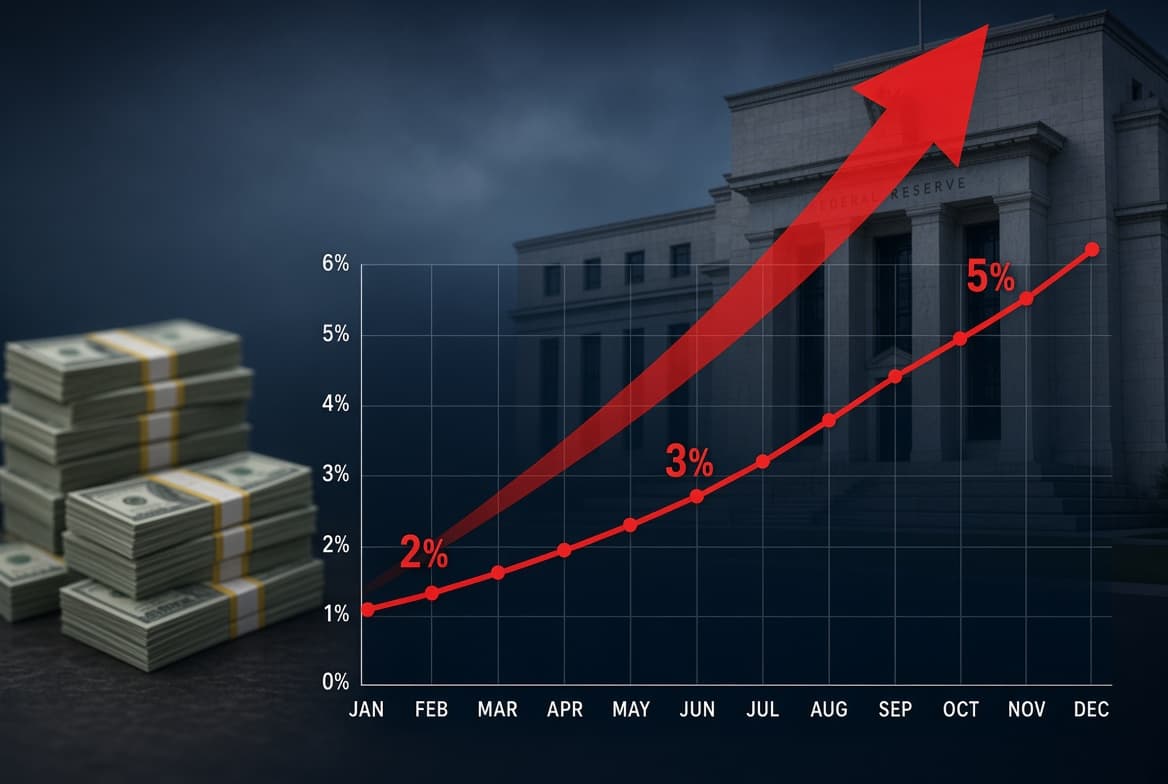
That matters enormously right now because Tuesday was also CPI day, and the timing could not have been worse for anyone hoping inflation was settling into a boring, predictable groove. Fed Governor Christopher Waller had already signaled a day earlier that a July rate hike was on the table if the inflation data ran hot — and a fresh oil spike, even one that takes weeks to filter into pump prices, complicates the Fed's job of separating a temporary geopolitical shock from underlying price pressure. New Fed Chair Kevin Warsh, testifying before Congress this week for the first time in his post, now has to explain a policy framework in real time while energy markets are throwing him a curveball he didn't ask for.
The IBM story, meanwhile, is a quieter but no less telling data point about where corporate spending is actually going. IBM's own account of the shortfall was revealing: clients shifted their quarterly technology budgets away from mainframe and software purchases and toward servers, storage, and memory — the physical building blocks of AI infrastructure — because those components are running short on supply. In other words, even inside a single technology budget, AI capacity is cannibalizing spending on everything else. That's a microcosm of a broader dynamic playing out across corporate America: capital that might once have gone toward general-purpose IT modernization, software licenses, or other productivity investments is instead being redirected toward chips, power, and data-center hardware. It's not that companies are spending less overall — many are spending more than ever — but the composition of that spending is narrowing around a single theme, and suppliers who aren't part of that theme are getting squeezed.
Put the two stories together and a pattern emerges: an economy where a handful of forces — a shooting war over a shipping lane, and a technology boom concentrated in a narrow set of physical inputs — are doing an outsized amount of work in determining who wins and who loses. For Long Island households, that means gas and home heating oil prices remain hostage to a conflict on the other side of the world, and mortgage rates remain hostage to a Fed that has to guess whether this month's inflation print reflects durable pressure or a one-off oil shock. For local businesses watching corporate technology budgets, it means recognizing that being adjacent to the AI buildout is increasingly more valuable than being a stable, boring supplier of yesterday's technology. Neither dynamic is new exactly, but Tuesday was a reminder that both are intensifying, not fading, and voters weighing the health of the economy this fall should watch the price of oil and the concentration of capital spending as closely as any headline unemployment number.
You Might Also Be Interested In

The Fed's Rate-Hike Whisper Just Got a Bond-Market Megaphone

$40 Trillion Later, Washington Still Hasn't Learned to Balance a Budget
The FOMC Minutes Just Quietly Floated Rate Hikes. Nobody's Pricing That In.