

Now Trending: Core CPI
June's inflation report came in cooler than almost anyone expected, but the argument over whether the Fed should hike, hold, or cut is only getting louder
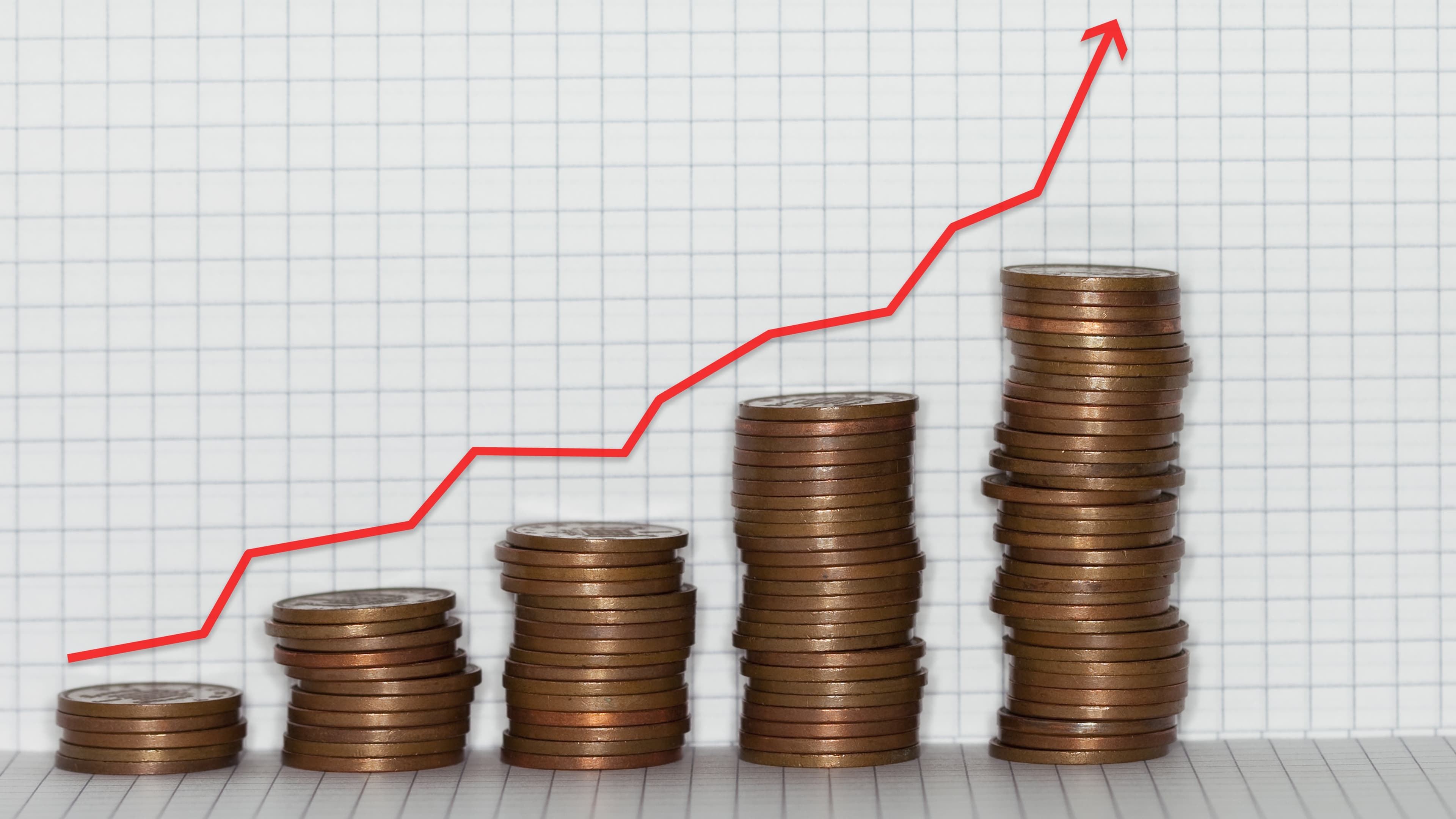
If you spent any time on financial Twitter this week, you'd think "core CPI" was a rock band reunion tour. It is not. It's the Consumer Price Index stripped of food and energy prices, the number the Federal Reserve actually watches when it decides whether your mortgage, your credit card, and your car loan get more expensive or less. Tuesday's release was supposed to be the week's marquee event, and for once, the hype was earned.
The actual numbers surprised people. Core inflation, which excludes food and energy, was flat on the month, putting the 12-month rate at 2.6%, well below the consensus forecast of 2.9%. Headline CPI did even more damage to the doom-and-gloom crowd: the consumer price index fell a seasonally adjusted 0.4% for the month, bringing the annual inflation rate down to 3.5%, when economists had been bracing for a much smaller drop to 3.8%. That monthly decline was the biggest since April 2020. Energy prices did the heavy lifting, with the energy index slumping 5.7% in June as oil retreated on the reopening of the Strait of Hormuz.
Why did this particular Tuesday become the argument of the day instead of just another data drop? Because it landed on the same day new Fed Chairman Kevin Warsh kicked off his first appearance on Capitol Hill as part of the mandated semiannual "Humphrey Hawkins" hearings, testifying before the House Financial Services Committee before heading to the Senate banking committee. Warsh has made inflation-fighting the centerpiece of his short tenure, telling Congress the Fed's aim is to "get monetary policy right" and that if it does, "the inflation surge of the last five years will be a thing of the past." Markets, going into the report, were pricing in the Fed staying on hold this month with a rate hike as soon as September — a genuinely strange thing to be discussing after two years of cut talk.
The arguments split almost immediately along familiar lines. One camp — call them the sticky-inflation traders — spent the week insisting core CPI would stay glued near 2.9% or higher, some citing figures that were already stale by the time Tuesday's release hit. Another camp pointed to slowing services costs and falling energy prices as proof the Fed is overplaying its hawkish hand. Wall Street research desks split too: some houses expected a modest cooldown in core inflation while others, including voices at the IMF, warned that disinflation had stalled and the Fed had every reason to stay tight. Then there's the trader contingent who reduce it all to a single mantra, posting variations of "core CPI is the only thing that matters" — which, this week, was actually true.
Here's my take: I get why people are exhausted watching this data get re-litigated every month like it's a new soap opera season. But underneath the ticker symbols and the acronym soup is a genuinely legitimate grievance. The Fed spent the first half of this year revising its own inflation forecasts upward, kept rates elevated, and had officials publicly split on whether the next move is a hike or a cut — all while ordinary households have been absorbing three years of a squeeze on groceries, gas, and rent. When a brand-new Fed chair tells Congress he'll get policy "right" the same morning the data comes in half a point better than his own committee expected, you're allowed to wonder whose models are actually driving the bus. This isn't a conspiracy theory, it's a trust problem, earned the old-fashioned way: by getting it wrong enough times that nobody believes the next confident prediction either. The data this week was good news. Whether the people setting rates believe their own good news is a separate question, and it's the one that actually affects your wallet.
You Might Also Be Interested In

The Fed's Rate-Hike Whisper Just Got a Bond-Market Megaphone

$40 Trillion Later, Washington Still Hasn't Learned to Balance a Budget
The FOMC Minutes Just Quietly Floated Rate Hikes. Nobody's Pricing That In.