

The Rental Market's Long Slide May Be Over, and Renters on Long Island Should Take Note
New data shows apartment vacancy rates tightening for the first time in years, a shift that typically precedes higher rents — arriving just as separate signs point to home prices reaccelerating nationally
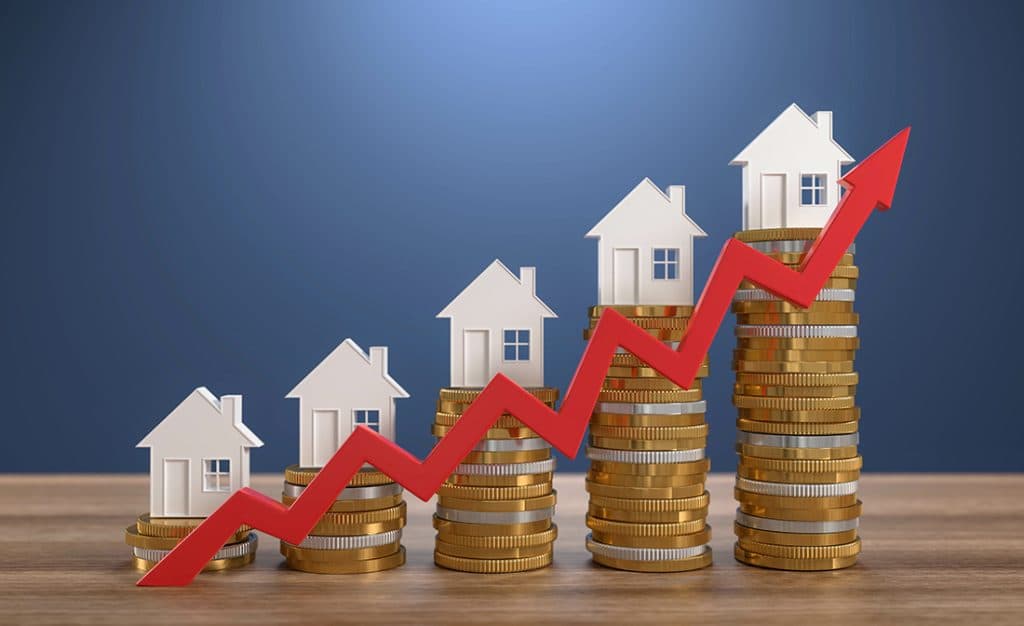
For nearly two years, the story in rental housing has been one of relief: a supply boom, especially in Sun Belt metros, pushed vacancy rates up and gave renters leverage they hadn't had since before the pandemic. That story appears to be ending. New tracking data show the national rental vacancy rate has flipped to net "tight" conditions for the first time since 2022, with new apartment construction starts down roughly 50% from their peak and inventory levels — the industry's measure of how much unleased supply is sitting on the market — falling to four-to-six weeks' worth, compared with ten-to-twelve weeks during the post-COVID glut.
The mechanics here are straightforward and worth understanding because they move slowly and predictably. Developers, facing higher financing costs and a wave of oversupply, pulled back sharply on new apartment starts starting roughly two years ago. Construction takes time, so that pullback is only now showing up as a shortage of new units hitting the market, even as renter demand has kept growing, partly because high mortgage rates have locked would-be buyers out of homeownership. The result: the leading indicator that has historically preceded rent acceleration — tightening vacancy — has now turned, which suggests rental inflation, a meaningful component of the Consumer Price Index, could shift from a drag on inflation to a modest tailwind for it over the coming year.
That has real implications for the Fed's inflation math, and by extension for how long borrowing costs stay elevated. Shelter costs make up close to a third of the core CPI basket, and much of the disinflation progress of the last two years came from cooling rent growth working its way through the data with a lag. If rents are now troughing rather than still falling, that source of relief narrows just as oil-driven price pressures and a tighter labor market are already complicating the Fed's calculus. It's one more reason the central bank has been reluctant to commit to a clear rate-cutting path even as manufacturing and jobless-claims data look solid.
For Suffolk County renters and landlords, the dynamics are somewhat different than the national Sun Belt story, since Long Island never saw the same scale of new multifamily construction that flooded markets like Austin or Phoenix. But the broader interest-rate and credit environment driving this national shift — elevated financing costs discouraging new construction everywhere — applies here too, and local rental inventory has remained persistently tight relative to demand for exactly that reason. If national vacancy is now troughing, it's unlikely the reversal will run in the opposite direction locally; if anything, a rental market that was already tighter than the national average has less room to loosen and more room to see renewed rent pressure.
The timing compounds an already awkward moment for policymakers and homebuyers alike. Separate housing-price data released this week showed the first meaningful acceleration in home-price growth in over a year, with builders and forecasters expecting the pace to keep building into year-end — even as mortgage rates remain a barrier to entry for first-time buyers. Add a rental market that's now turning from tailwind to headwind on affordability, and the picture for anyone trying to find housing on Long Island, whether renting or buying, gets tougher before it gets easier. For voters weighing which candidates take housing affordability seriously heading into the next election cycle, the data argues that supply — not just interest rates — remains the crux of the problem, and that the recent reprieve on rents was likely more temporary than structural.
You Might Also Be Interested In
The Fed Isn't Just Hiking Anymore — Wall Street Now Bets on Three or Four
Retailers Keep Beating Earnings, and Wall Street Keeps Debating What That Means

The 10-Year Just Crossed 4.9%, and the Housing Market Is Feeling It Before the Fed Even Moves
