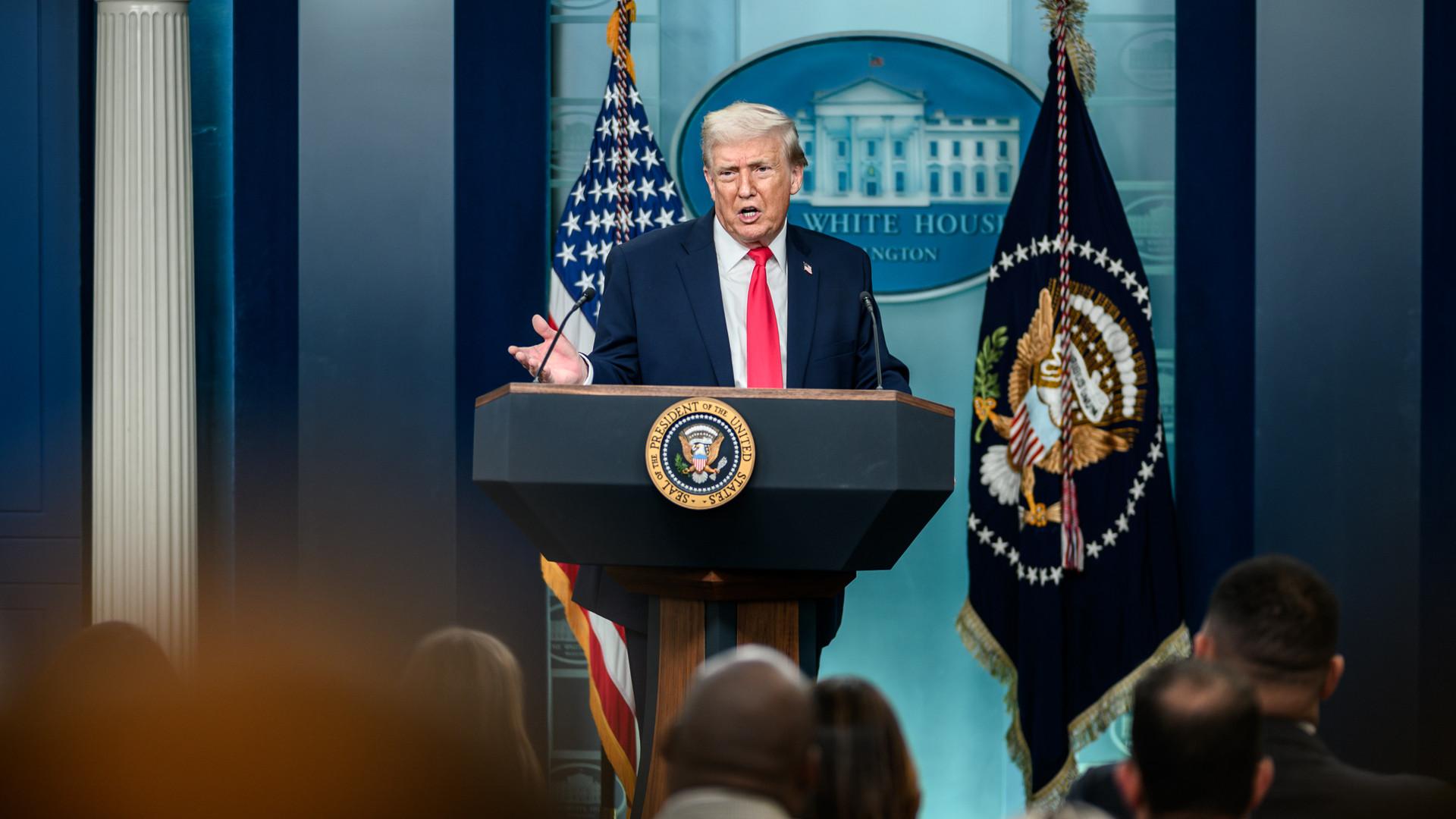
Clayton Warns of More Tech Disruptions as Systems Are Upgraded
The director of national intelligence said that old systems are being upgraded as computing power surges, and that more glitches and interruptions in service should be expected
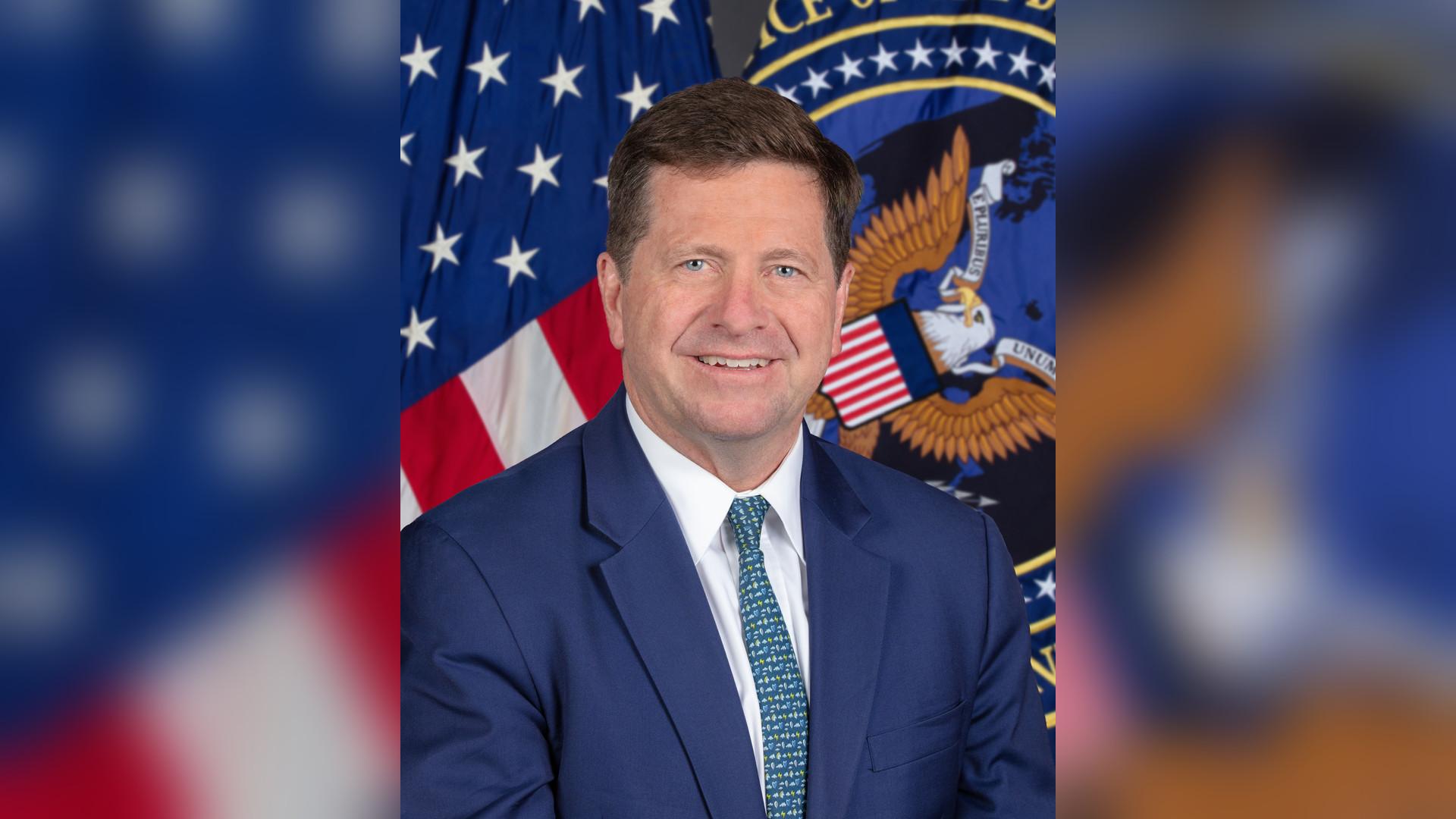
Jay Clayton, who directs national intelligence, told Americans on Nov. 22 to expect more interruptions while companies and federal agencies modernize aging networks and absorb a surge in computing power. He gave the same warning in back-to-back Sunday television interviews, telling one interviewer that any time there is "a step change in both compute and applications, there will be bumps in the road." Clayton, who took office on Aug. 3, framed the recent outages as the cost of needed upgrades to aging systems and said of the service gaps ahead, "That is going to happen."
Of the week's incidents, Clayton said, "we know that they were not coordinated and that they were not state sponsored." Questioned about intrusions said to have hit the FBI and the Agriculture Department, he declined to discuss details. He called the FBI matter "an incident" that professional staff were handling "in the ordinary course," and said answers would come "in due course," as they had for the NSA and Microsoft incidents earlier in the week. Clayton named no one as responsible for any of those intrusions and did not confirm that they were attacks.
In the second interview he described the underlying strain as a "step change in technology" driven by "superintelligence and computing power that is expanding exponentially," set against "a dated digital infrastructure." He said firms and agencies owe the public a plain explanation of why upgrades are required. A White House release of Nov. 18 said the administration saw no sign of a coordinated cyberattack or state-sponsored activity behind the recent outages, and in those remarks Clayton said institutions were patching newly found weaknesses and that some systems "are not coming back as expected." On Nov. 22 he talked in broader terms about updating legacy infrastructure and did not repeat his earlier reference to "SI" and faster network scanning.
The nationwide FAA ground stop on Nov. 13 started around 3:30 p.m. ET, when a surge of data overwhelmed aging equipment on the agency's telecommunications network. An early review pointed to a radio facility in Arkansas where the network contractor was putting in a new router, and aircraft were moving again by 8:15 p.m. Roughly 3,500 aircraft were airborne at the time of the stop and landed safely, the FAA said. Operators canceled more than 12,000 flights that day, though the FAA said the stop did not directly cause every cancellation, and the disruption came as Thanksgiving travel was already under way. The agency said it had "no indication that this was a cyberattack or an outside nefarious actor." A Microsoft 365 outage that began on Nov. 12 also traced to an earlier network capacity upgrade, which the company called "a technical issue not related to cyber or AI / agents."
On Nov. 22 the FAA paused Delta's mainline and regional flights heading into Atlanta at the carrier's request, starting at 7:46 a.m. Eastern time, then lifted the pause in under an hour in favor of a delay program covering the same arrivals into the early afternoon. The FAA said Delta was repairing a fault in its weight and balance calculations, and that air traffic equipment run by the government was not behind the delays. Delta said crews dispatched planes by manual methods until the automated tools were restored. The airline attributed most of that day's delays and cancellations across about 5,000 flights to the failed automation, and said weather and Northeast air traffic programs caused the rest.
The FAA traced the Nov. 13 ground stop to strained older network equipment and the Nov. 22 Delta delays to the airline's own software. Clayton described the modernization work as ongoing, with heavy investment in upgrades and in cybersecurity still ahead. He said the public should be prepared for more glitches and interruptions in service while that work continues.
You Might Also Be Interested In
What Jeffries's Promise to Clean Up the Supreme Court Could Mean in a Democratic House
Senate Passes 62-33 Permitting Bill to Speed Energy Projects and Make Data Centers Pay for Grid Upgrades
Trump Signs Order Requiring Contractors to Alert White House on Congressional Requests