A Newsroom Paid by Washington Owes Readers the Number
Federal audits show about $22 million in USAID money, a figure missing from OCCRP's response to the files
OCCRP, the international investigative network that once drew millions in USAID grants, spent this week attacking the man who championed the release of the agency's internal files. It did so without telling readers what the agency had paid it.
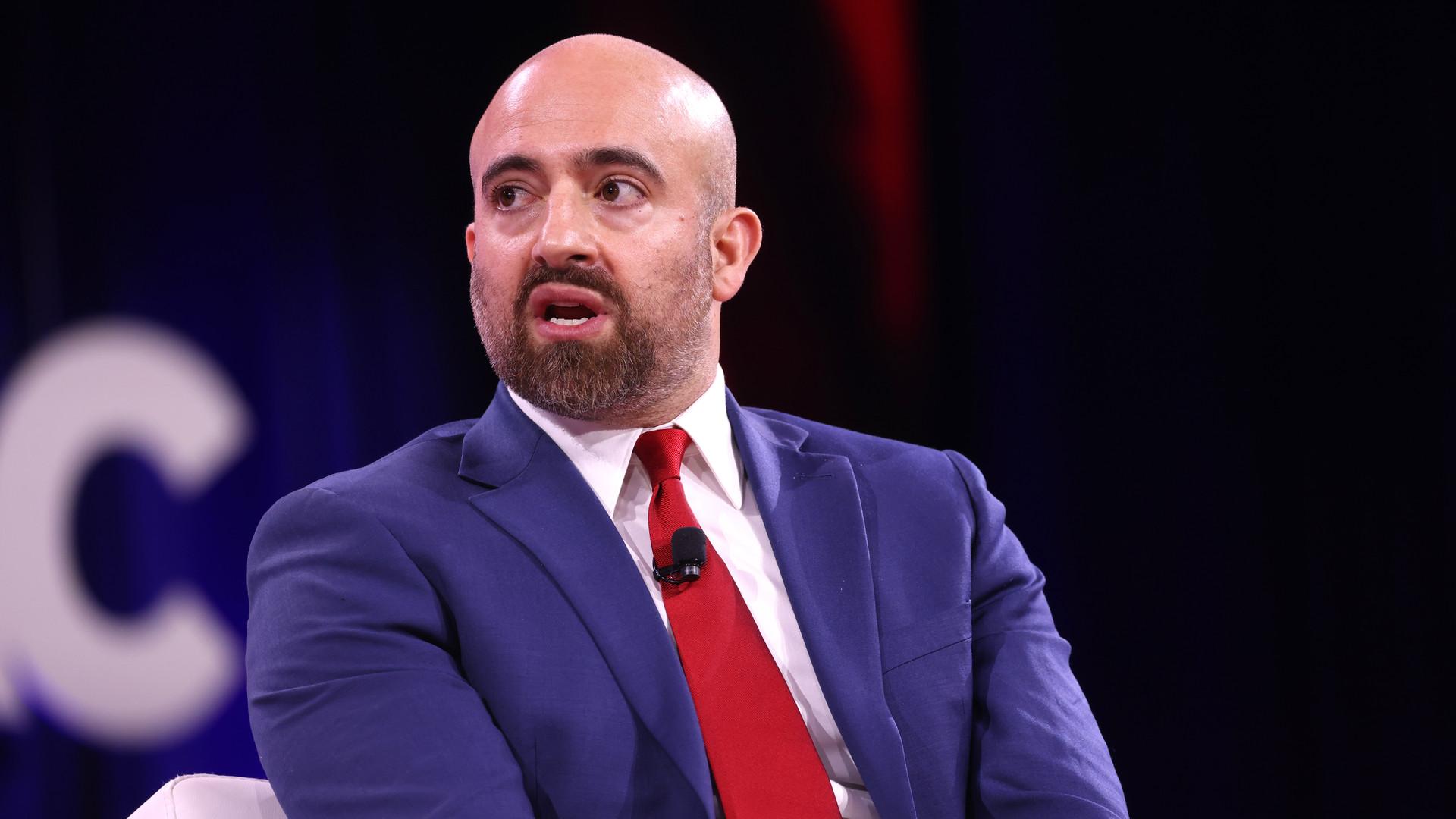
When the shuttered USAID website returned as an archive of internal records, Mike Benz, a longtime critic of the agency, announced the release to his followers. Within a day OCCRP answered with a long profile that called the release reckless and dug into his old pseudonymous persona, his brief State Department tenure and his finances. A reader had to reach a parenthesis in the story to learn of the grants, and the amount never appeared.
Single audits that the group's American publisher, the Journalism Development Network, filed with the federal government fill that gap, showing about $22 million in USAID spending in the ten years of audits on file. The heaviest years came in 2023 and 2024, most of it under an agency program to strengthen investigative reporting in Europe and Eurasia. Benz has used a bigger figure, about $32 million, drawn from a tally of award values that reaches further back and counts some State Department money. The federal spending database cannot settle the difference, because USAID filed several large journalism awards under a generic placeholder for foreign recipients and names the network directly on only a fraction of the total. The sum runs to eight figures, paid by the agency whose files OCCRP now wants handled with more care.
Drew Sullivan, the group's publisher and cofounder, answered Benz on X by conceding that the story said OCCRP had been paid while leaving out how much. He said the figures sit in the group's tax returns and annual reports and are easily found in any search. He also claimed that governments "got back $13 billion in fines, seizures and recovered money due to our work," a return he put at more than 10,000 percent on the grants. A tax filing is genuine disclosure for auditors and the curious, yet the reader of that story deserves the figure on the page.
Newsrooms that take conflicts seriously name the funder and the size of the stake in the text, and conservatives have demanded as much of public broadcasting for decades. The standard weighs heavier here because the Journalism Development Network was a plaintiff in litigation filed in 2025 over the freeze and later termination of its federal funding, a fact the profile did mention. The group had gone to court over money against the government whose documents it was judging, and an organization that built its name tracing cash across borders cannot exempt its own ledger.
OCCRP and its allies have raised fair objections, including that the documents went online with names left in, so career employees now see their internal chats and emails on a public site. The selection came from people with a stake in the verdict, a few hundred items pulled from a trove of hundreds of thousands, and Samantha Power, the agency's last Senate-confirmed administrator, dismissed them as cherry picked. Russian state outlets also amplified the files, OCCRP notes, and the group warns that the old charge of serving as a U.S. agent puts partner reporters at risk in countries that jail journalists for foreign support.
Civil servants writing on government systems about how to spend appropriated money are conducting public business, and taxpayers have a claim on that correspondence. A home address, a medical detail or a junior employee's personal message belongs behind a redaction, and any such slip justifies a request to fix it. The complaint about selection points toward more disclosure, since the cure for a partial release is a complete one, and the incoming Congress will have subpoena power to compel it. Sullivan himself told one critic that he has no objection to releasing the files when it is done properly, which concedes the principle at stake.
The Russia objection proves too much, because Moscow amplifies anything that embarrasses Washington, including true stories, and an accurate account of how aid dollars were spent stays accurate when a hostile government repeats it. The danger to reporters in Baku or Belgrade is real, and their best protection is a record so complete that no propagandist can claim something was concealed. Leaving the dollar figure out hands those propagandists that claim for free.
Readers can judge Benz's past and his motives, and his reading of the documents deserves the same scrutiny OCCRP gave his biography. They can weigh OCCRP's motives as well, but only with the number in hand. For years Washington financed journalism abroad on the theory that a free press checks power, and many recipients did valuable work exposing kleptocrats. The taxpayers who paid for that work are entitled to the full record of how the program ran, and the newsrooms that accepted the money owe them the same candor they demand from every official they investigate. OCCRP can meet that standard in one sentence, by printing its own figure in its own reporting.
You Might Also Be Interested In

Channel 4's Prime-Time Hour for Huw Edwards Exposes Britain's Double Standard
Democrats Debate Scrapping the Filibuster Thune Spent Two Years Saving

The First Amendment Binds Whoever Holds the FCC