Channel 4's Prime-Time Hour for Huw Edwards Exposes Britain's Double Standard
License fees kept paying him after his arrest, and a publicly owned channel now gives him the floor
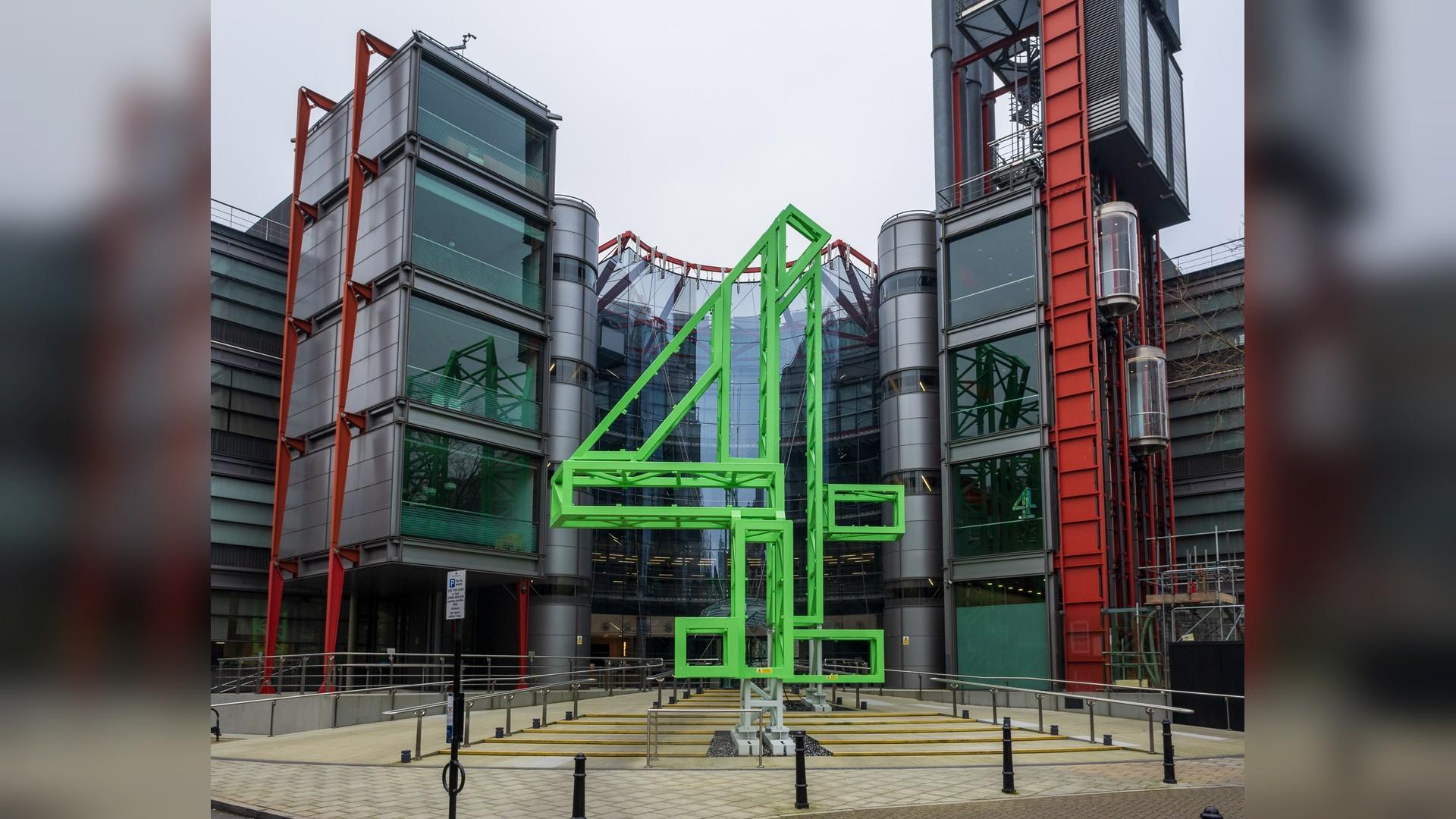
Channel 4 will give Huw Edwards an hour of prime time next week in a film whose title pairs his name with the word "Guilty." The convicted newsreader has never returned the salary he drew after his arrest.
Edwards walked out of court with a suspended sentence, yet in the same year a childminder in Northampton was sentenced to 31 months in prison over a single post she took down within hours. Put side by side, the two cases describe a state that brings real fury to angry words and finds a surprising store of patience for the famous.
A London magistrates' court sentenced Edwards in September 2024 for making indecent images involving children, finding that more than 40 had reached him over WhatsApp, some of them in the gravest category and one showing a young child. He received six months in prison, suspended for two years, along with a treatment course for sex offenders and seven years on the notification register. The court credited his early guilty plea, his previous good character and the state of his mental health at the time. The conviction became spent this September, a point Channel 4 itself notes in announcing the film.
His former employer, the license-funded corporation where he read the news for years, went on paying him through the five months from his arrest until he resigned. That came to about £200,000 of public money. Its chairman has asked for the sum back again and again, including in front of MPs, and not a pound of it has been returned.
Lucy Connolly met a very different kind of justice after three girls were murdered at a children's dance class in Southport in 2024 and a false rumor about the killer spread quickly online. That evening she posted a demand for "mass deportation now" and told her followers to "set fire" to hotels housing asylum seekers "for all I care." She deleted it roughly three and a half hours afterward. Police arrested her about a week later. She pleaded guilty to stirring up racial hatred, and a judge in Birmingham sentenced her to 31 months. The Court of Appeal refused to cut that term, and she spent more than a year behind bars before her automatic release.
Her words cannot be defended, and a call to torch buildings with people inside them, sent to thousands of followers at a moment of national anger, warranted some punishment. Yet the court that sentenced her also heard that she had no previous convictions, that people who knew her vouched for her character and that she had shown some remorse, mitigation of the same general kind that helped keep Edwards out of a cell. With his plea and his mitigation, Edwards saw a starting point of a year in custody fall to six months, and the sentence was suspended. A quarter came off Connolly's term for her plea, which left a prison sentence of 31 months.
Judges apply the guidelines in front of them, and the two offenses sit under different laws with different sentencing rules, which is precisely where the fault lies. The children in those files suffered real harm, and Connolly's post, however vile, remained words on a screen. A system that sent a woman to prison for a furious post, removed within hours, yet kept out of a cell a man whose files held images of the abuse of real children, has its priorities inverted.
Channel 4 belongs to the public as a corporation of the culture department, and that ownership sharpens the insult. Its executives insist the film is journalism and that Edwards, who was not paid, had no control over its content. Shadow culture secretary Rebecca Paul put the objection more bluntly, asking why "a state-owned broadcaster" was "platforming this depraved sex offender." Downing Street said it had "no interest in hearing what he has to say," then, asked whether the channel had acted irresponsibly, called it editorially independent.
That restraint stands out against the Connolly case, where the state answered a single post with a prosecution and a prison term. When a celebrated broadcaster convicted of making indecent images involving children wants a national stage to explain his fall, the channel invokes the right of audiences to judge for themselves and the government invokes the channel's editorial independence.
Free societies should extend those principles to everyone, including people whose words are coarse and cruel. Britain applies them unevenly, and the two sentencings of 2024 show how far the unevenness runs.
Americans watching from across the Atlantic should take note of how easily laws aimed at speech come to absorb the energy of police and prosecutors once they exist, and how rarely the people who write those laws feel their weight. On Tuesday night Channel 4 will give Huw Edwards a full hour to explain himself, a patience that never reached a childminder who spent over a year in prison over a post she deleted within hours.
You Might Also Be Interested In
A Newsroom Paid by Washington Owes Readers the Number
Democrats Debate Scrapping the Filibuster Thune Spent Two Years Saving
The First Amendment Binds Whoever Holds the FCC