Democrats Debate Scrapping the Filibuster Thune Spent Two Years Saving
Schumer's leadership fight with Van Hollen tests whether Senate restraint binds both parties or only Republicans
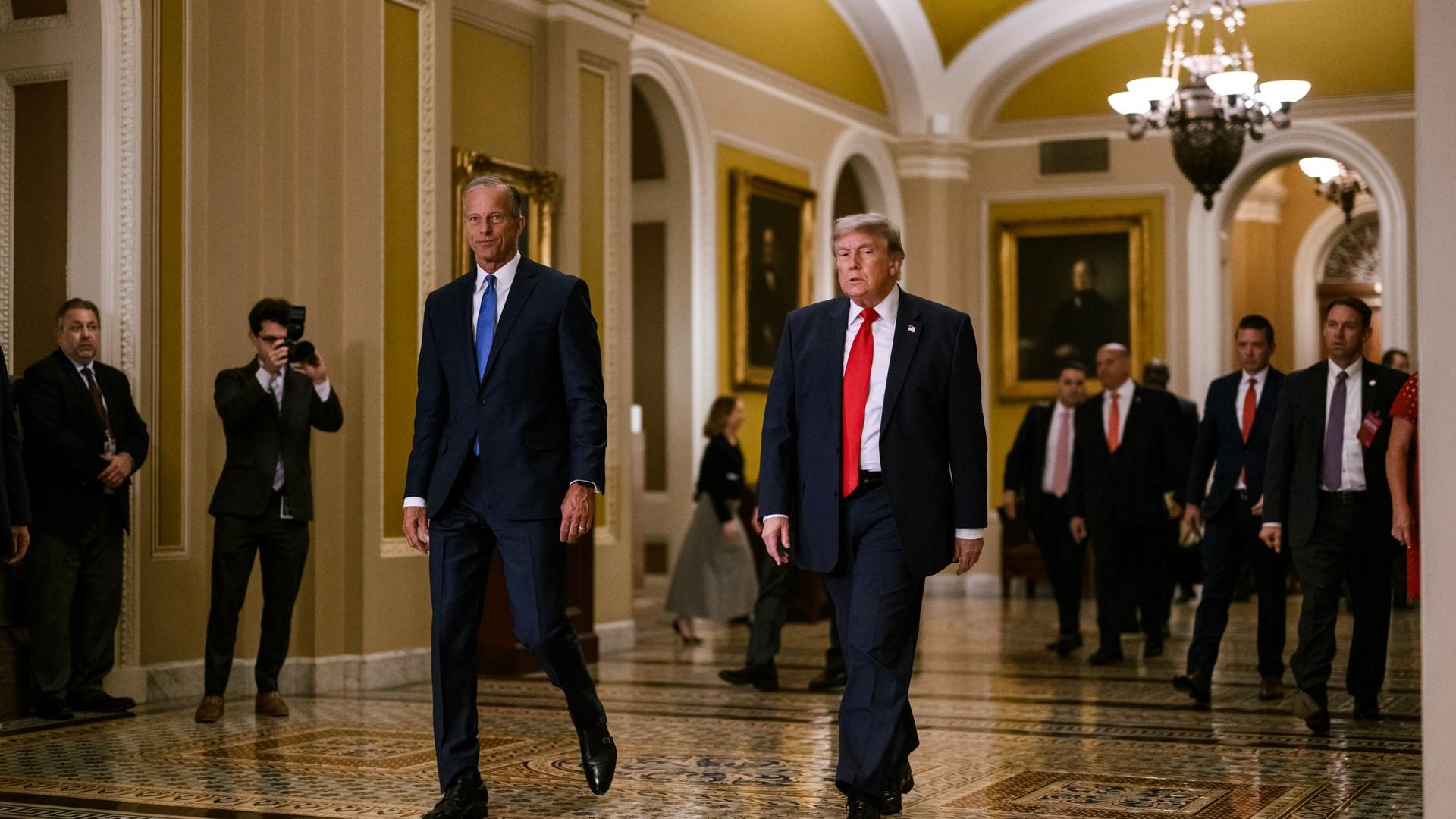
John Thune spent two years shielding the Senate's 60-vote rule from his own president and his own voters, and his reward is a Democratic majority now arguing over how fast to throw that rule away. A moral victory for John Thune that primarily served to harm America.
Conservatives blame him for the death of the SAVE America Act, the bill that would make voters prove citizenship before registering and show a photo ID at the polls in federal elections. Rep. Anna Paulina Luna of Florida wrote after the midterms that Thune "was responsible for blocking passage" of the bill and "should STEP DOWN." When Senate Republicans met to pick leaders, 15 of them voted to delay the election, and Thune held his job by acclamation because nobody ran against him.
The House passed the bill early this year by five votes, with every Republican present in favor. In the spring, a photo ID amendment drew 53 votes in the Senate, all Republicans, and died because ending debate took 60. This summer Sen. Mike Lee tried to move the citizenship and ID package on the party's budget bill, and the parliamentarian ruled it ineligible for a simple majority. The motion to waive those rules was rejected 50 to 49, short of the 60 votes required.
Thune has answered that pressure with arithmetic, saying this summer that there "probably aren't half of Senate Republicans" willing to end the legislative filibuster. He also refused President Trump's demand to fire the parliamentarian, saying the citizenship and ID package would still need 60 votes even if that officer were replaced. Three Republicans, Mitch McConnell, Lisa Murkowski and Thom Tillis, voted against even the waiver. Since the election, Thune has blamed "a paid influencer world" and "a lot of keyboard warriors" for what he called a "Republican rift."
Suffolk's two Republican members of the House, Reps. Andrew Garbarino and Nick LaLota, both voted for the bill. Garbarino called its proof of citizenship rule a commonsense step for election integrity, and LaLota, a former Suffolk elections commissioner, later wrote that the Senate "should do the same." Neither has said publicly whether the Senate should change its rules to pass it, and neither has weighed in on the fight over Thune.
Democrats take 56 seats in January, and their caucus chooses its leader Dec. 1 by secret ballot. Sen. Chris Van Hollen of Maryland, who is challenging Chuck Schumer for the post, calls the filibuster "antidemocratic" and says major bills should pass with 51 votes, though he leaves the timing to the caucus. Sen. Jeff Merkley wants a talking filibuster that would force the minority to hold the floor day and night, the same tactic Lee pressed Thune to enforce. Sen. Mark Warner of Virginia has warned that Democrats will want the 60-vote shield the next time they lose the Senate.
Schumer has argued both sides of this question, warning on the Senate floor in 2005, with Republicans threatening the nuclear option, that Republican ideologues wanted to turn "the cooling saucer of democracy into the rubber stamp of dictatorship." In 2022, as majority leader, he led his caucus in a vote to change the rules so a voting bill could pass with a simple majority. Van Hollen voted with him, and the effort collapsed only because Joe Manchin and Kyrsten Sinema joined every Republican. Both have since left the Senate. Since Election Day, Schumer has declined to say whether he would scrap the rule, though he has favored carving out voting and abortion bills.
The filibuster holds only as a mutual bargain, with each party accepting slower victories in the majority in exchange for protection in the minority. Schumer praised that protection when he needed it and moved to strip it once it stood between him and a priority. Two senators who no longer serve are the only reason he failed. If his caucus breaks the rule next year, Republicans will have spent two years of unified control guarding a tradition their opponents discard within weeks of taking power.
Thune probably could have done little more this year, since his own conference split on the waiver and a rules change required votes he plainly lacked. His critics are still right that restraint carries a price, and that the price climbs once the other side announces it will stop paying its share. A Republican conference that keeps the filibuster should say openly that it keeps it as a treaty, and that a Democratic majority that tears it up frees Republicans from it the next time voters hand them the Senate.
Lee wants another floor fight over the bill before January, with Democrats made to talk until they run out of speeches. The leadership vote and the rules Democrats adopt in January will reveal what the new majority intends to do with the 60-vote rule. If they scrap it, this year's Republican restraint will stand as the last time the party paid for a bargain the other side had already resolved to break.
You Might Also Be Interested In

Channel 4's Prime-Time Hour for Huw Edwards Exposes Britain's Double Standard
A Newsroom Paid by Washington Owes Readers the Number
The First Amendment Binds Whoever Holds the FCC