
Stephen A. Smith's Racial Dare Exposes a Double Standard in Sports Media
A top sports commentator asked Black NBA players whether they will let a Lakers team led by white stars win a title. A colleague called it a throwback to the 1930s. In 2003 a milder remark ended Rush Limbaugh's football job, and sports media now owes the public one consistent rule.
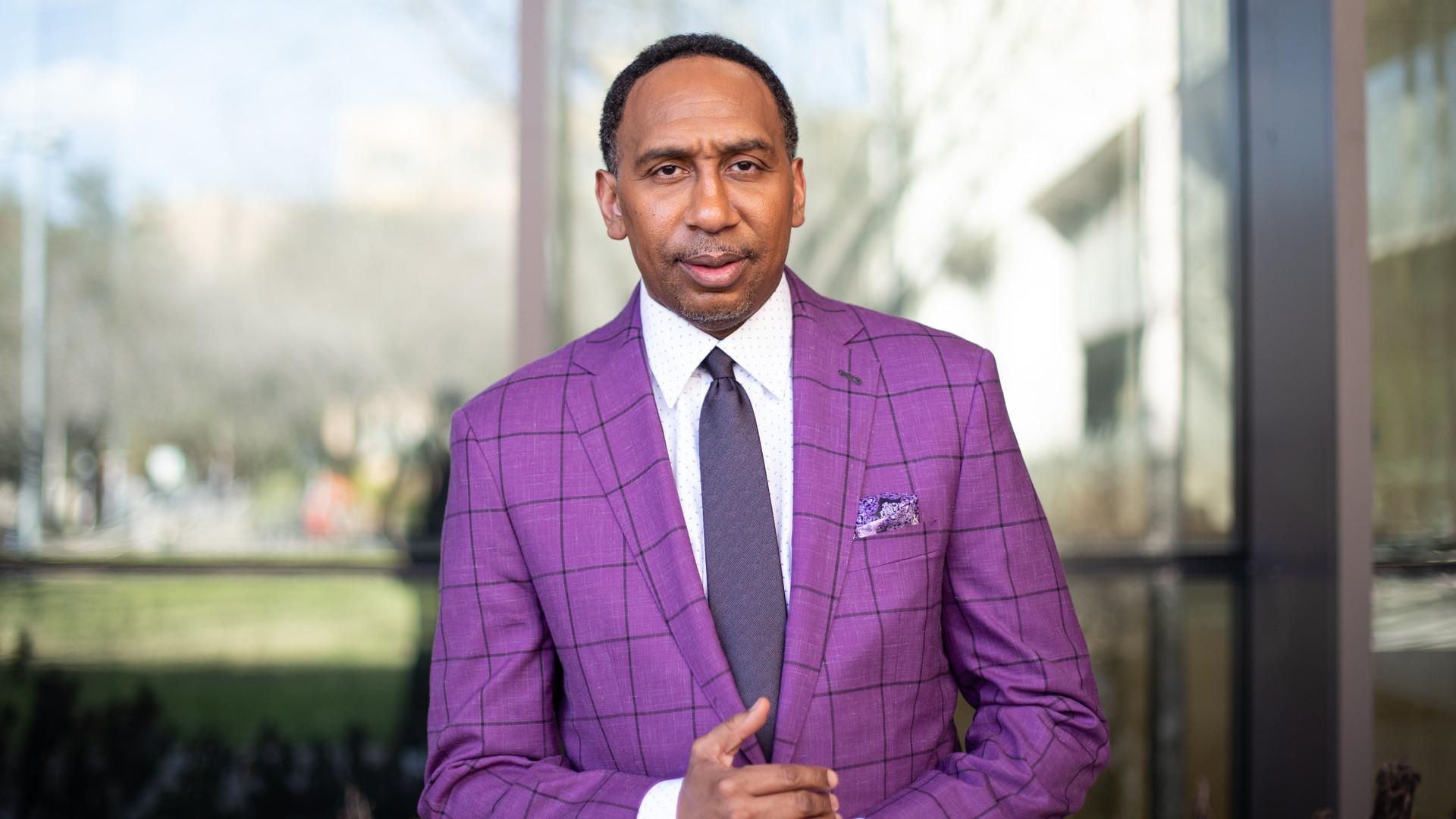
Stephen A. Smith has built a lucrative career on provocation, and this week he aimed it at the color of a basketball roster. On his weekday morning debate show Wednesday, the commentator looked at a Los Angeles Lakers roster led by Luka Doncic, Walker Kessler and Austin Reaves and issued a challenge to the league's Black players. "These white brothers can play," he said, before asking, "y'all gonna let them win a championship?"
The remark came after the Lakers had won nine games in a row and held first place in the West. It also followed a radio appearance a week earlier in which Smith predicted the club would fall by the second round of the playoffs, telling listeners that in his lifetime no club had won a championship with its three best players all white.
Plenty of sports talk is noise, and this episode would fade quickly if the rule applied to Smith matched the rule applied to other broadcasters. The two rules have long diverged.
Jay Williams, a former NBA player who now works as an analyst at the same network as Smith, saw the problem at once. "This sounds like something you'd hear in the 1930s or 1940s, just with the racial dynamics reversed," Williams wrote on X Wednesday. "We spent generations fighting to ensure athletes were judged by their talent, not the color of their skin." He then asked: "At what point does fighting against discrimination turn into perpetuating the same mentality we fought so hard to overcome?"
Smith answered by digging in. "You can bring up that b.s. all you want about the 1930's, but I'm talking about right now," he posted that night. "I said what I said and I meant what I meant."
Fans of free expression should defend his right to say it. A commentator who speaks bluntly about race should be free to do so, and an audience is free to judge him for it. The trouble lies in how unevenly that freedom has been handed out across sports media.
In 2003, Rush Limbaugh joined a Sunday football pregame show and offered a view on Philadelphia quarterback Donovan McNabb. "The media has been very desirous that a black quarterback do well," Limbaugh said on the air. His target was the press coverage of McNabb. Within days, Democratic presidential candidate Wesley Clark had called for him to be fired, and Limbaugh resigned from the program. His statement said the comments "were directed at the media and were not racially motivated." The president of the network accepted the resignation and said Limbaugh had taken the appropriate action to resolve the matter.
Limbaugh questioned whether reporters had overrated a player because of race. Smith openly framed the title chase in racial terms and urged one group of athletes to stop another on that basis. By the standard used against Limbaugh, the newer remark is plainly worse. Yet Smith remains on the air and unapologetic. A review of public statements and coverage as of Thursday morning found no public statement from his network on the remarks, and a colleague's rebuke on social media stood as the sharpest response from inside the industry.
The same week offers a second comparison. Mike Florio and Chris Simms, who host a football podcast, joked on Nov. 17 about the "German mustache" of New England coach Mike Vrabel after the Patriots played in Munich. Neither host named Adolf Hitler. The NFL still called the remarks "inappropriate and offensive," and by the next day the two men had issued an apology for "comments that some found offensive." A crude mustache gag drew a league rebuke within a day. The same Thursday morning review found no comparable public rebuke from the NBA of a televised challenge to Black players to keep white players from a title.
Conservatives have argued for years that the rules of acceptable speech in sports and entertainment bend depending on who is speaking and who is being described. Reverse the races in Smith's sentence and the result is a white host urging white players to stop a Black-led contender. Such a broadcaster would very likely be off the air within days, and the same voices now shrugging would lead the demand.
The basketball itself undercuts Smith's premise. The night before his challenge, with Reaves and Kessler both sidelined, Quentin Grimes poured in 47 points, a career best, and made 10 three-pointers as the Lakers rallied past Charlotte 118-114 in overtime. Grimes hit the tying three in the closing seconds of regulation, and Doncic added 36 points. Titles go to the teams whose players make the big shots in May and June, and a box score records points and rebounds with no column for race.
Smith should keep his job. Firing commentators for clumsy or offensive opinions has done lasting damage to open debate, and the Limbaugh episode was a mistake in its own right. Sports media can discuss race bluntly in every direction and leave audiences to sort good arguments from bad ones, or the networks and leagues can explain why one kind of racial remark ends a career while another draws a shrug.
You Might Also Be Interested In

The Shiloh Hendrix Conviction Fails the First Amendment Test

Albany Wrote the Rules Behind Long Island's Higher Power Bill

Trump Will Destroy His Legacy If He Agrees to Amnesty