
The Shiloh Hendrix Conviction Fails the First Amendment Test
A Minnesota jury convicted Shiloh Hendrix of disorderly conduct for repeating a racial slur to the adult man who challenged her on camera. Her new lawyers are appealing, and the case tests whether hateful words between adults can be a crime.
Few Americans have a reason to defend Shiloh Hendrix. The Minnesota woman became a national villain in 2025 after a video from a Rochester park spread online, and the words she used on it are vile by any decent standard. Her case is now pending in the state's intermediate appeals court. Her appeal concerns a jury's decision to convict her of a crime for words spoken to an adult who had challenged her to say them.
The facts of the verdict are narrow. The video, recorded in April 2025, shows a man confronting Hendrix over allegations that she had directed a racial slur at a Black child. He dared her to say it again, and she repeated the word more than once. She was charged with disorderly conduct. In July, an Olmsted County jury acquitted her on the count tied to the child and convicted her on the count tied to the man holding the phone. The court stayed a 90-day jail term and imposed a $1,000 fine along with 200 hours of community work.
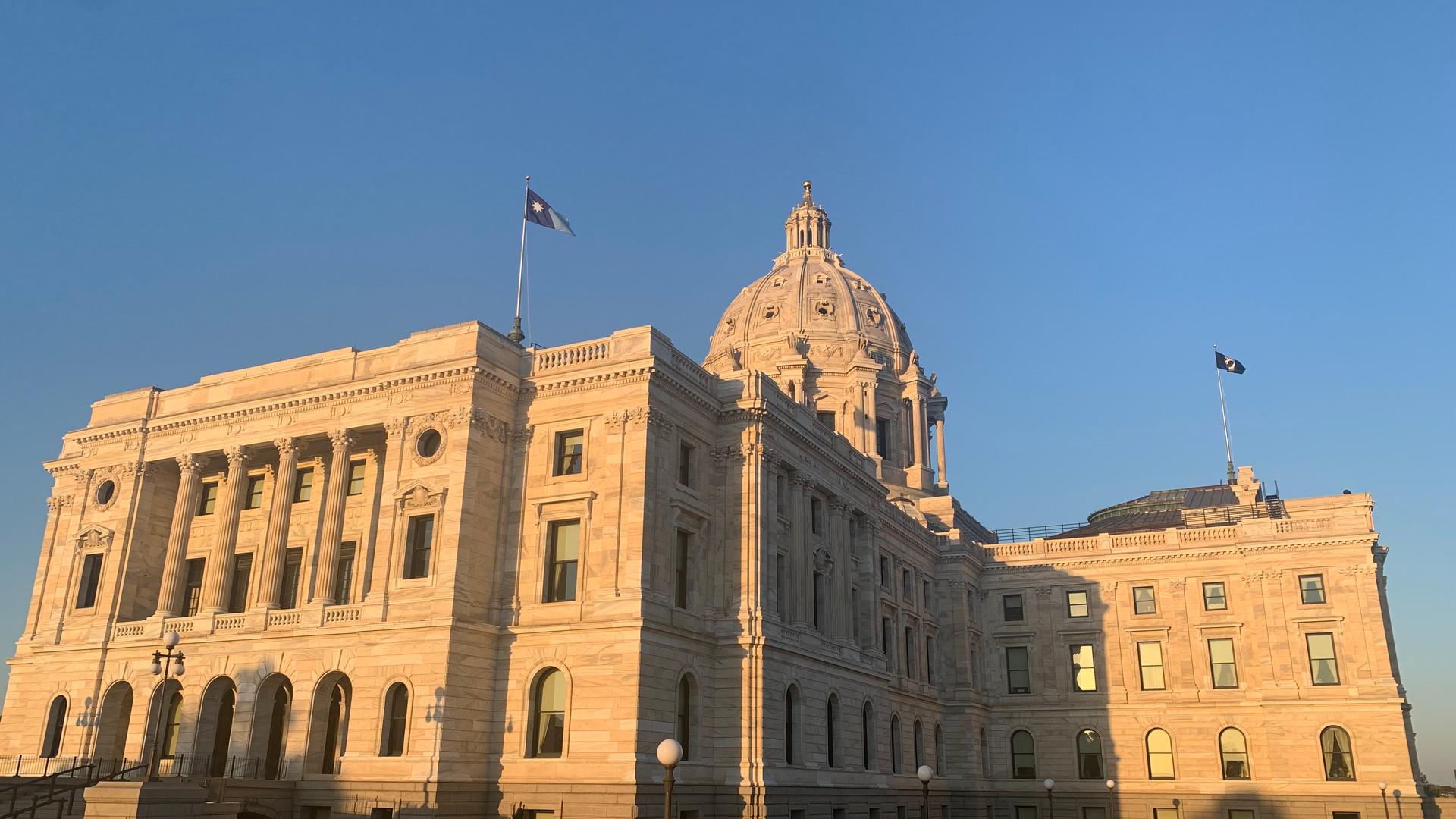
On Wednesday, a new appellate team introduced itself at the State Capitol in St. Paul. Lead attorney Alexander Haberbush argued that the conviction rests entirely on an argument between grown adults. "That exchange between two adults is the only thing that Shiloh Hendrix stands convicted of today," he said. The lawyers say they expect to file their brief in mid-December and will seek review in the state Supreme Court, and in Washington if necessary.
Minnesota's disorderly conduct statute makes it a misdemeanor to use "offensive, obscene, or abusive language tending reasonably to arouse alarm, anger, or resentment in others." Read literally, that clause would cover a large share of political argument and most stand-up comedy. Resentment is the ordinary product of a heated exchange. A statute that criminalizes speech capable of producing it reaches far beyond anything the Constitution allows.
The Supreme Court carved out a small exception for so-called fighting words in 1942. In Chaplinsky v. New Hampshire, the justices described them as words "which by their very utterance inflict injury or tend to incite an immediate breach of the peace." Later decisions kept that category small. In 1971, the Court overturned the conviction of a man who wore a jacket bearing a vulgar slogan against the draft in a Los Angeles courthouse. Justice John Marshall Harlan wrote that "one man's vulgarity is another's lyric." In 2017, ruling on a federal ban on disparaging trademarks, Justice Samuel Alito went further. "Speech that demeans on the basis of race, ethnicity, gender, religion, age, disability, or any other similar ground is hateful," he wrote, adding that the proudest boast of the country's free speech law is protection for "the thought that we hate."
Minnesota courts have already found constitutional trouble in this same statute. In 2017, the state Supreme Court held another clause, the one covering disturbance of a lawful assembly, substantially overbroad under the First Amendment.
The fighting words doctrine rests on the idea of provocation. It covers face-to-face insults likely to set off immediate violence. In this case, the defense says, the man with the camera pressed the issue and asked for the word. A lawyer with no role in the case put the problem plainly in a local interview. "Fighting words have a pretty high bar," said Michael Schatz, who added that Hendrix did not threaten or approach the man. Schatz also cautioned that juries get wide latitude on the question and that the conviction might survive. Even with that latitude, offensive speech still sits a long way from a proven call to immediate violence.
Schatz also said convictions built on a racial slur as fighting words are uncommon. This one followed a viral video that drew loud calls for accountability. John Eastman, who is advising the defense on constitutional questions, argued at the news conference that the case was driven by public demands for punishment. A speech prosecution that follows a viral outcry invites the suspicion that the crowd chose the defendant. Criminal law built on that foundation can be turned against whoever the next crowd dislikes, whether a street preacher or a campus protester.
Officials in the Rochester prosecutor's office said they "will continue to respect the judicial and appellate process." The appeals court will now weigh the conviction under the doctrine as the Supreme Court wrote it. The slur has earned the public contempt it has received. Public scorn and a ruined reputation are the tools a free society uses against hateful speech, and Hendrix has felt both. A criminal record should require more than an ugly word aimed at a willing adult.
The appeals court should reverse the conviction, and the Legislature should rewrite the language clause so it matches the narrow category the Constitution permits. A reversal would hold that despised words between adults stay protected unless they fall inside that narrow category.
You Might Also Be Interested In
Stephen A. Smith's Racial Dare Exposes a Double Standard in Sports Media

Albany Wrote the Rules Behind Long Island's Higher Power Bill

Trump Will Destroy His Legacy If He Agrees to Amnesty