
Trump's Veto Pledge Sets Up a Deal-Making Test for the New Congress
At a Nov. 20 White House news conference, a day after he returned from Asia, the president offered Democrats a bargain on health care and left a question about Putin hanging.
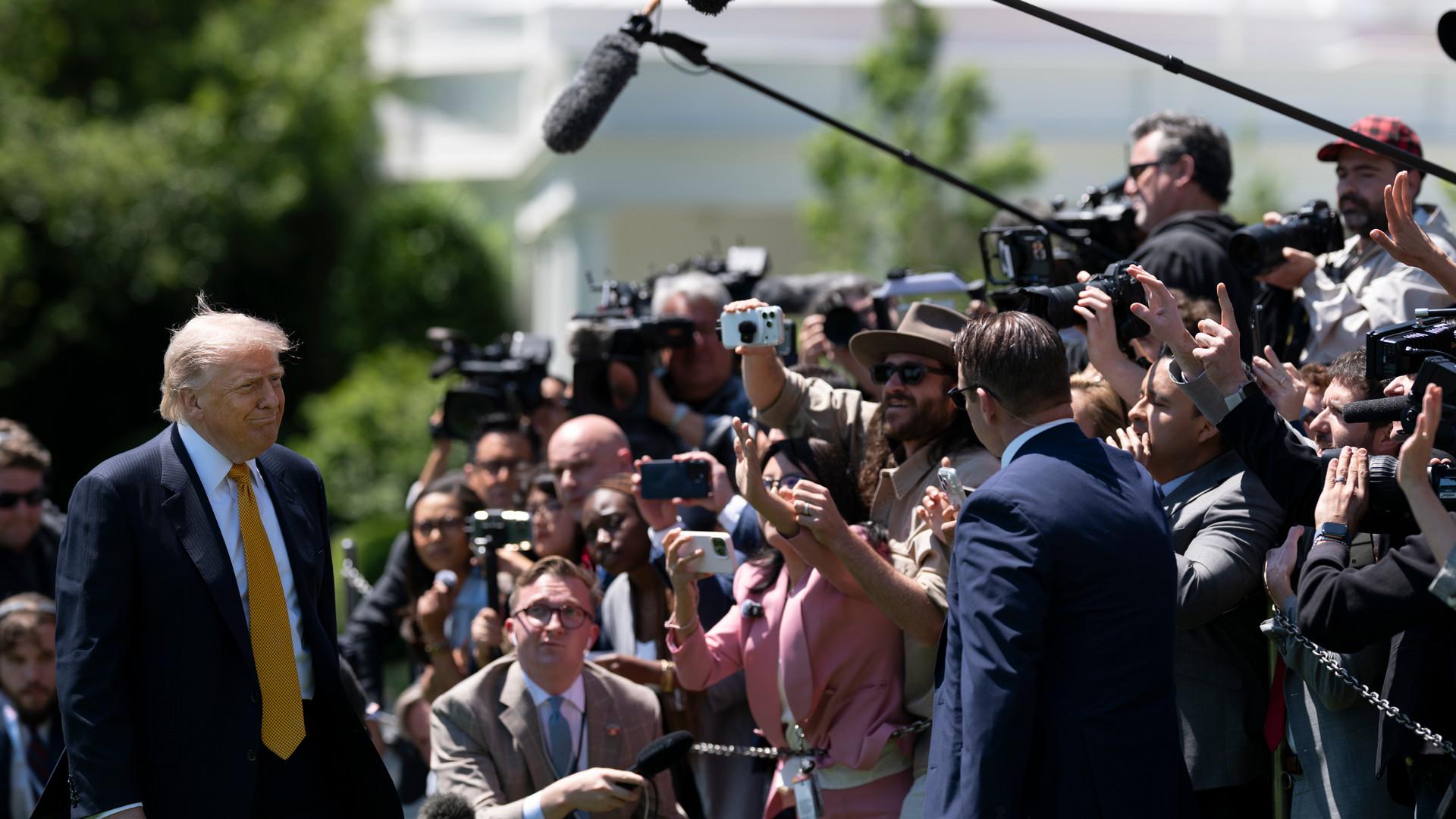
President Donald Trump used a Nov. 20 White House news conference, held a day after he returned from Asia, to promise vetoes of Democratic bills and offer those same Democrats a deal, and a five-word answer about Vladimir Putin drew most of the attention. For Suffolk County residents who will live with whatever Washington produces over the next two years, the veto and the deal carry more weight than the soundbite.
A reporter, Kaitlan Collins, asked the president about his greeting to Putin during the Asia trip. "While you were there, you said that Putin is your friend," she said. "Russia, of course, is Iran's biggest ally. Do you believe Putin is a friend to America?" Trump answered, "I can't speak to America." He went on to say he had been dealing with Putin during what he called the "fake Russia, Russia, Russia hoax" and that Putin "was very nice about it." He called the relationship "very good" and said it "gives us a lot of additional strength," adding that "our country is safe because of that."
Conservatives who came up on peace through strength will hear that answer and want more. A president can talk to rivals, and talking is often the job. A direct question about whether a foreign leader is a friend to the nation the president leads has a short, clear answer, and "I can't speak to America" falls short of it. Trump himself noted that Putin is in a war that "should have lasted one day" and that "it's lasted for five years." A government that has waged that war for so long is no friend to this country, and a president can say so while keeping the line to Moscow open.
On domestic ground, Trump said plainly how he will meet the Democrats who gain control of Congress in 2027. "They're going to send things my way and I'm going to veto them," he said, "and then they're going to send more things and I'm going to veto them." He added that the cycle "could go two years and one month." After a month or so, he said, he will tell Democrats, "I'm going to veto unless you want to do this and this and this." He also said, "If they want to get things done, I want to get things done, too," and that "because of the power of the veto," there is "a real possibility that we get a lot of great things done."
On health care, the area he singled out, he said, "I'm open to great health care." He asked whether the result can be "what they want," then said, "No, but it can be a combination of what we all want." The remarks came without a bill or a framework attached, and the opening they describe sits alongside the veto, a constitutional tool the Founders gave presidents for exactly this kind of divided government.
Rep. Hakeem Jeffries, the New York Democrat in line to take the House gavel when the new Congress convenes, drew the label "a smart guy" and "a streetwise guy" from the president, who would not say whether the two have spoken, and Sen. Chuck Schumer, a candidate for majority leader, also drew the word "smart." Because both men are New Yorkers, any health care deal the president reaches with them is a bargain Suffolk households would feel.
Divided government protects current law from sweeping change, and a president willing to use the veto can hold the line on spending and regulation, which is the conservative case for the next two years. If Trump's offer on health care produces a workable agreement, South Shore premiums are where local households would feel it. If it produces two years of standoff, existing law stays in force, a result many local conservatives can live with.
The first bill to reach the president's desk after Jeffries takes the gavel early next year will show how seriously each side meant its words on the veto and the offer, with the Putin answer still on the record.
You Might Also Be Interested In
Calls for R State Chair Cox to Step Aside. Jesse Garcia is the Man For the Job.
Hartford Enjoined Connecticut's ICE Mask Law on the Same Supremacy Grounds Applied to New York

Cooperstown Still Has to Judge Clemens and Bonds