
When Clicks Become More Important Than Being Human
I have been saying for years that journalism is dying, and this week gave me another reason to believe it.
I have been saying for years that journalism is dying, and this week gave me another reason to believe it.
It isn't dying because people aren't educated. It isn't dying because there aren't talented writers or reporters who care about their craft. It is dying because too many people have decided that clicks, followers and attention are more important than truth, ethics and basic human decency.
This week, we saw just how low that can go.
A “reporter” decided to publish one of the most heartbreaking pieces of information imaginable — not because the public needed to know it, not because there was some greater journalistic purpose behind it, but because he wanted to be the guy who had it first.
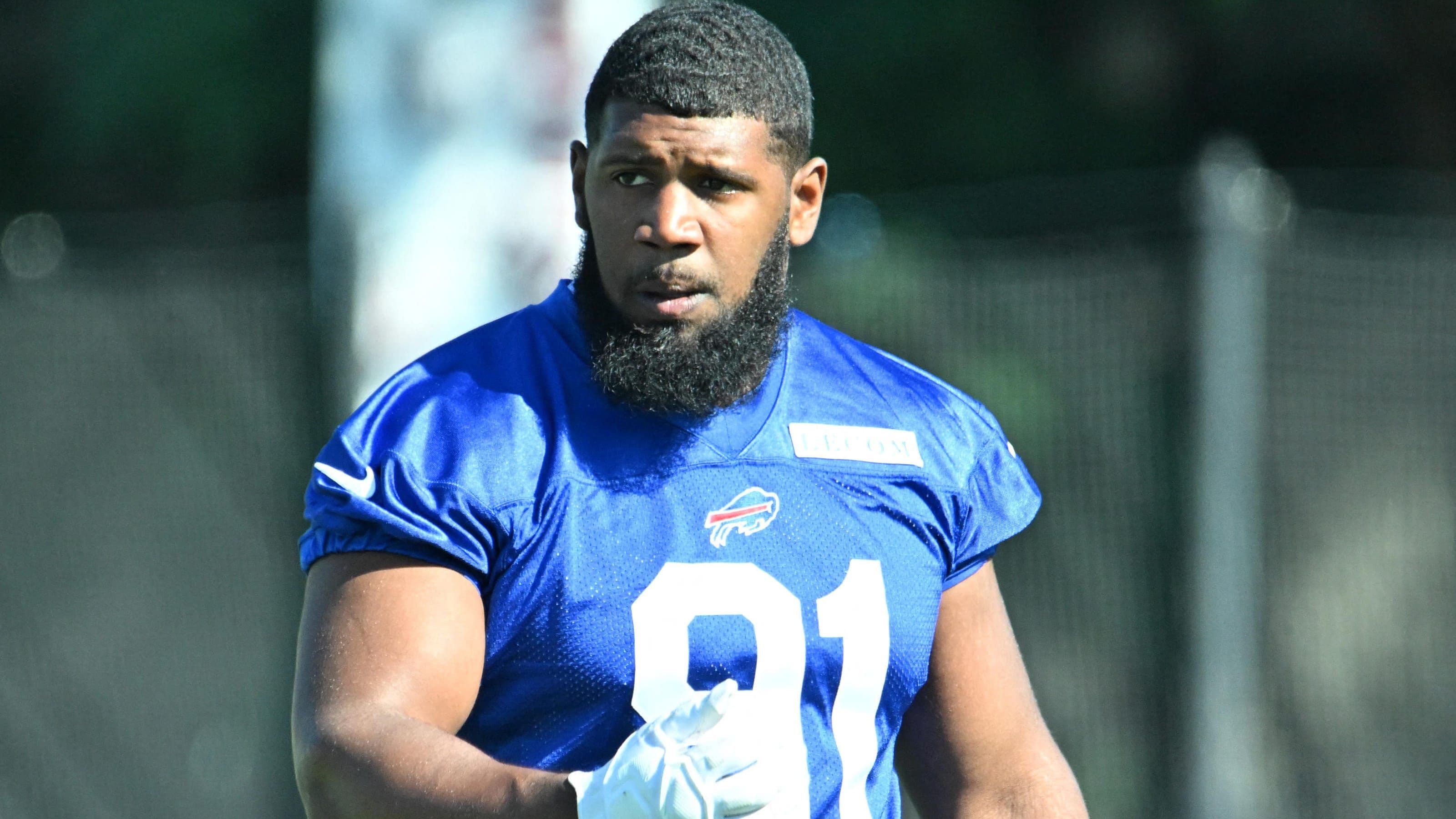
Buffalo Bills defensive tackle Ed Oliver lost his 2-year-old son in late June. His son drowned in a swimming pool. There is absolutely nothing about that sentence that should require explanation about how devastating it must have been for Oliver and his family.
They wanted privacy. They wanted time to grieve. They wanted to deal with the unimaginable pain of losing a child without having their tragedy turned into a headline.
The reporters who cover the Bills knew what had happened. They knew the family's wishes. And they did what good journalists are supposed to do. They respected them.
Then Tony Farmer decided he knew better.
Farmer, a podcaster with approximately 24,200 followers on X, decided to publish the news. Why? That's the question I keep coming back to. What public service did this provide? What important information did the public need immediately? Who was protected by putting this family's private tragedy on social media?
The answer to all three is simple: nobody.
But Farmer got attention. And apparently, that's all that matters to some people anymore.
This wasn't journalism. This was attention farming at its absolute worst. It was taking another person's unimaginable pain and turning it into content. And before someone says, “But it was true,” let me stop you right there. Being true doesn't automatically make something yours to publish. Journalism isn't simply finding information and throwing it onto the internet. There is judgment involved. There is responsibility. There is humanity.
Sometimes the most professional thing a reporter can do is not hit publish. Bills quarterback Josh Allen made his feelings about the situation very clear.
“First off, I want to say thank you to the ones that knew about it and allowed [Oliver] to have his moment and his time,” Allen said. “It's very sad in how it came out. It makes me very sad and angry.” He continued by explaining what Oliver needs from his teammates. “There’s nothing that you can say to make the situation any better except being there in whatever ways he needs,” Allen said. “That's what we're going to continue to do. That's what teammates do.”
Exactly. That's what teammates do. And apparently, that's also what the other reporters did — they acted like human beings.
As a father, of a current two-year-old, and a reporter, I believe I have a unique perspective on this. I understand the responsibility of reporting the news. I also understand that there are moments when journalism needs to take a back seat to compassion. I cannot imagine the anger I would feel if I were Ed Oliver and found out that someone had taken the most devastating moment of my life and decided it was an opportunity to build his own audience.
I would be furious. I would be heartbroken. And I would probably have a few choice words for the person who thought his social-media relevance was more important than my family's grief. This is where journalism has lost its way.
We have created an environment where being first is celebrated more than being right, where engagement is treated like a trophy and where some people seem willing to sacrifice almost anything for another notification, another repost and another follower.
There used to be a simple standard in journalism: Just because you can publish something doesn't mean you should. Apparently, that standard has become optional.
Farmer didn't uncover corruption. He didn't expose wrongdoing. He didn't protect the public. He didn't give people information that could save a life. He exposed a grieving family to thousands of strangers because he could. That's not courage. That's not journalism. That's not being an insider. That's being a selfish jerk.
And in an age where “click farming” has become an industry, I suppose there is some dark irony in the fact that a man named Farmer took click farming to a place it never should have gone.
But there is nothing funny about this. A father lost his 2-year-old son. A family is grieving. That should have been enough.
No follower count is worth violating that. No headline is worth it. No podcast episode is worth it. No amount of engagement is worth it.
If journalism has become so desperate for attention that we are willing to turn a family's worst day into somebody else's content, then maybe journalism isn't dying.
Maybe clicks have already killed it.
You Might Also Be Interested In

"Run It Back Yanks" Complete the Full Run Back in Humiliating Fashion
Rocky Point Earns NYSPHSAA School of Distinction Honor

ESM Alum Helps U.S. Win First U23 Pan American Cup