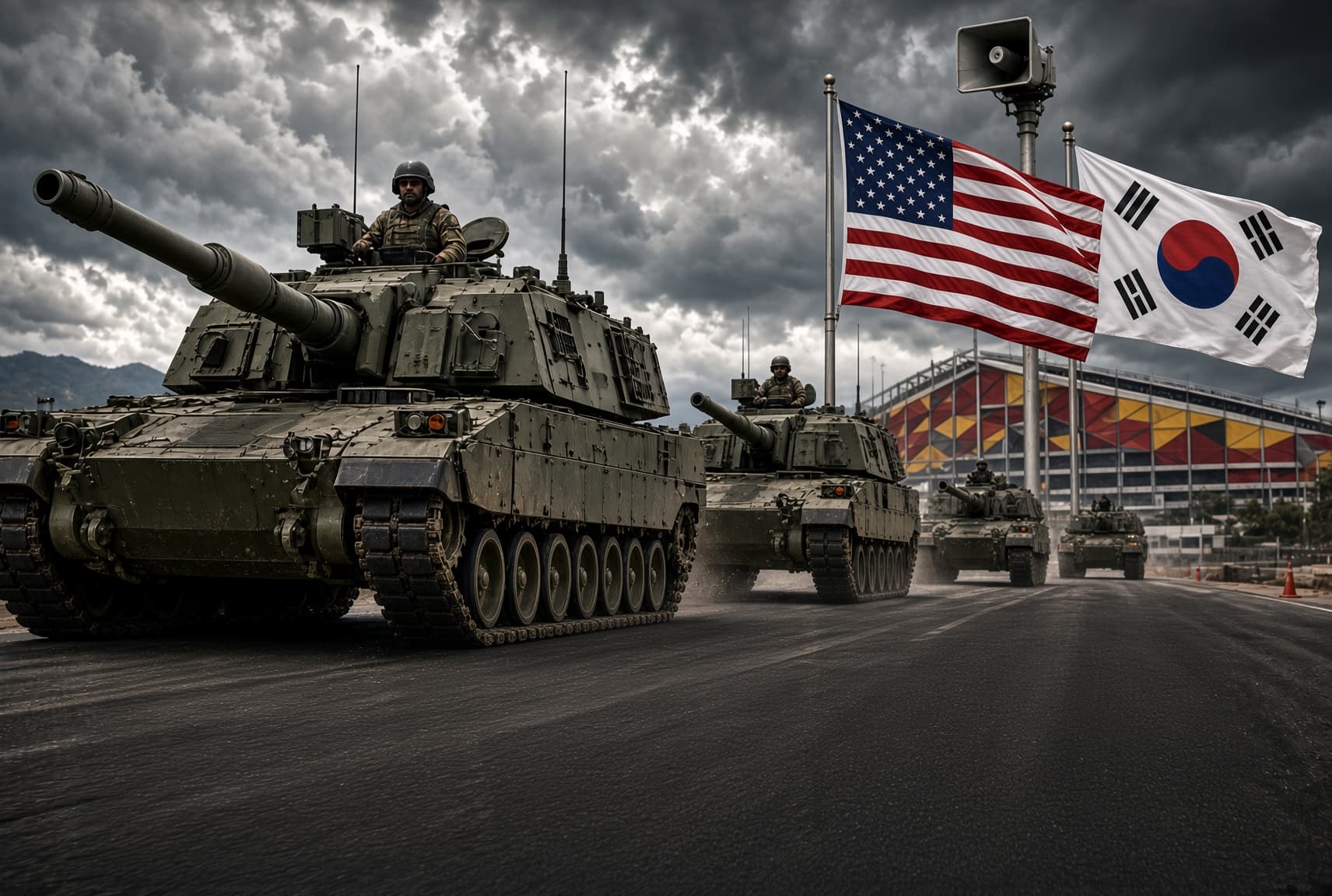

Iran Closes Strait of Hormuz After Striking Cargo Ship
Tehran's IRGC navy declared the vital waterway shut indefinitely, defying a U.S. ultimatum
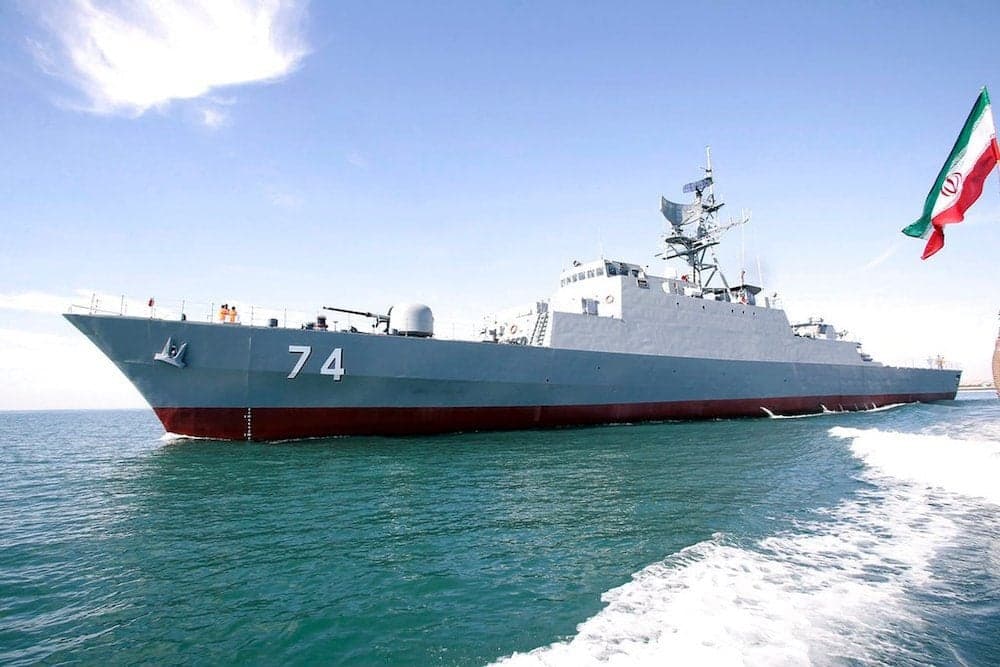
Iran's Islamic Revolutionary Guard Corps navy shut the Strait of Hormuz indefinitely on Saturday after attacking a cargo ship in the strategically critical waterway, brushing aside an American ultimatum in a dramatic intensification of hostilities between Washington and Tehran.
State media said the IRGC navy labeled the targeted vessel "unauthorised" and announced the closure of the strait, a chokepoint through which roughly 20 percent of the world's oil passes. The move came amid a military confrontation between the United States and Iran that began in late February, when U.S. and Israeli strikes killed Iran's Supreme Leader Ayatollah Ali Khamenei.
Shipping companies faced deepening uncertainty as both Washington and Tehran vied for control of the narrow passage between the Persian Gulf and the Gulf of Oman. Despite ongoing Iranian attacks, maritime traffic through the strait had seen a brief uptick in recent days before the latest escalation, naval observers said.
The IRGC cited "outside interference from foreign powers" as justification for the closure, saying the strait would remain shut until further notice, Iranian state media reported. The action appeared to undercut diplomatic efforts underway in the region, appearing to contradict an anticipated framework between Tehran and Muscat for safe commercial passage.
Markets have been closely tracking the developments. Oil prices have swung from $58 to $119 and back down to $71, driven almost entirely by the U.S.-Iran war that resumed in February.
President Donald Trump posted on social media Saturday that Iran had made threats "to assassinate, or attempt to assassinate" him, and said "1,000 missiles are Locked and Loaded and aimed at the Islamic Republic of Iran, with thousands more to immediately follow" should Iran act on those threats. Iran's new Supreme Leader, Mojtaba Khamenei — son of the slain Ayatollah — responded hours later, declaring that retaliation for his father's death "is the will of our nation and must certainly be carried out."
The strait's closure is already sending economic tremors through the American heartland. Farmers in Louisiana and other agricultural states reported severe financial strain stemming from soaring fuel and fertilizer costs tied to the conflict. Nearly half of global exports of urea, a key nitrogen fertilizer, originate in the Persian Gulf region. One Louisiana farming family said they were running roughly $120,000 to $130,000 over their fertilizer budget, putting their operation in jeopardy.
Agriculture pilot Reed Keahey, who services farms in northeast Louisiana, said Jet-A fuel was priced at $2.46 a gallon in February, before the war began, surged to $4.11 a gallon at its May peak, and as of last week had settled back to $3.18 — though it was climbing again.
"Right now, it's a game of survival," Keahey said. "If the farmers aren't in business, then I'm not in business."
The American Farm Bureau Federation reported that U.S. farm bankruptcies rose 46 percent in 2025 compared with the prior year, a figure that preceded the current conflict's full economic impact.
Israel reportedly alerted U.S. officials this week to fresh Iranian plots to kill Trump. The White House declined to comment, though Trump appeared to reference such threats during the recent NATO summit in Turkey, saying, "They want to take out the U.S. leader — me."
Adding to the logistical turmoil, Iran has continued moving its own vessels through the congested strait even as it attacks foreign ships, leaving international shippers caught between competing American and Iranian demands over navigation rights in one of the world's most critical chokepoints.
You Might Also Be Interested In

Trump Launches Economic Asphyxiation Campaign Against Iran

Treasury Chief Vows to 'Collapse' Iran With Historic Sanctions
UAE Cuts All Trade With Iran After Missile Attack Claims