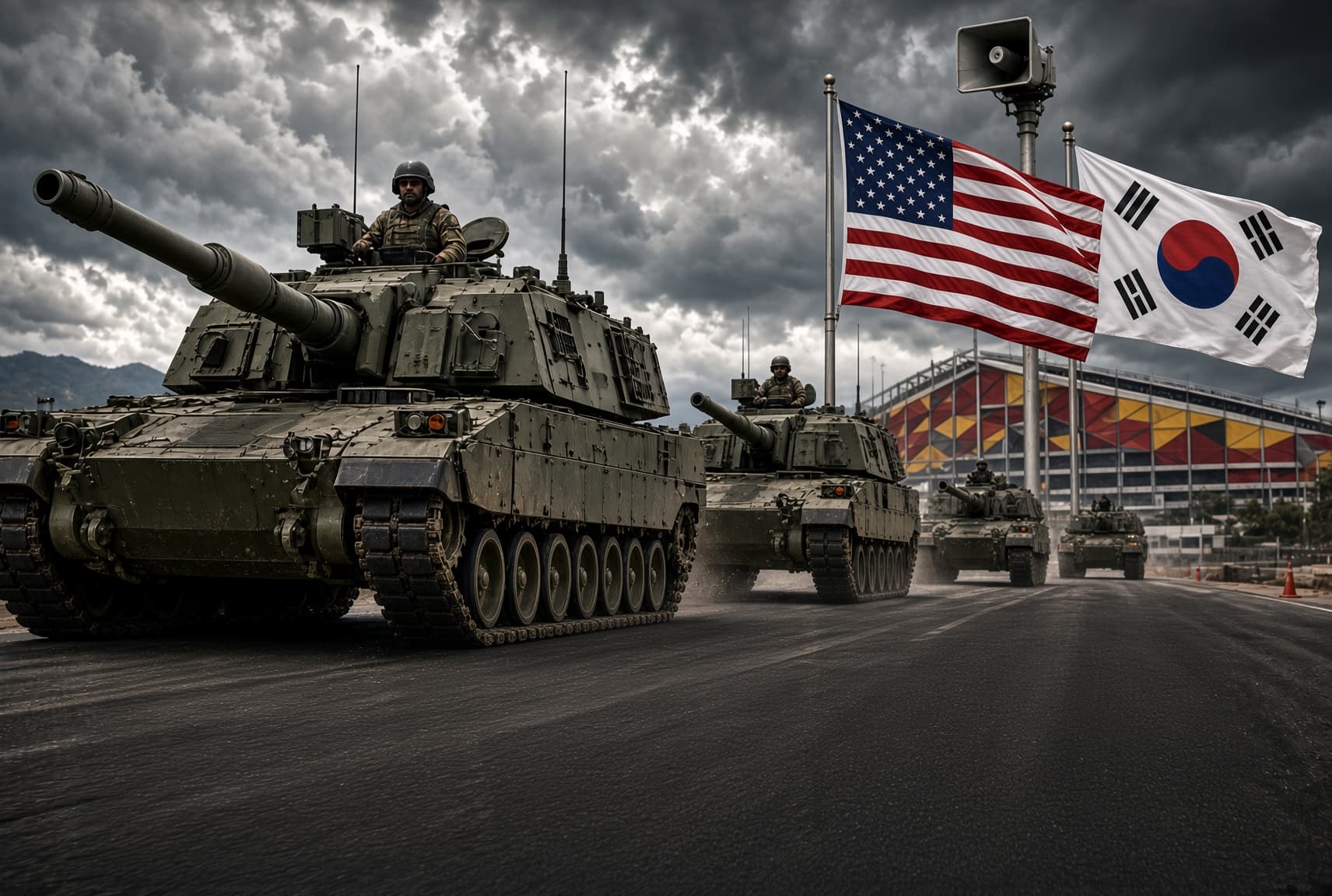

U.S. and Iran Exchange Strikes as Hormuz Standoff Escalates
Iran declares the strait closed and attacks Gulf states after the U.S. hits more than 300 Iranian targets
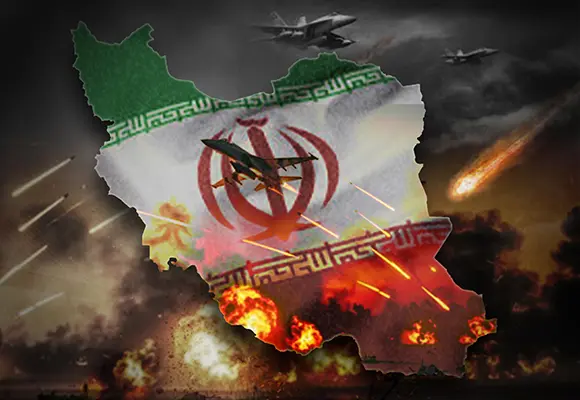
The U.S. military carried out a third straight night of strikes against Iran on Saturday, pushing the cumulative number of targets struck across three waves past 300, as a fragile ceasefire between the two nations appeared to unravel and Iran launched attacks on American interests and facilities throughout the Gulf region.
U.S. Central Command said it hit roughly 140 Iranian targets in the latest salvo — a substantially larger number than either of the two preceding rounds — after Iran struck another commercial vessel navigating the Strait of Hormuz. Over nearly a week of intensifying military action, American fighter jets and warships destroyed assets ranging from coastal surveillance systems and logistics networks to communications infrastructure and missile, drone and naval platforms. Iranian officials reported strikes had landed across 10 provinces, concentrated in the country's south near the critical waterway.
The Islamic Revolutionary Guard Corps declared the Strait of Hormuz closed and announced it had struck two ships that tried to pass through what it described as an "unapproved route." Iran also unleashed missile and drone attacks against U.S. interests in Bahrain, Kuwait, Jordan, Qatar and Oman. Kuwait's military reported that a drilling platform belonging to Kuwait Oil Company was hit by a "hostile" drone, leaving one worker injured, and that three border outposts sustained damage.
By Sunday morning, CENTCOM declared the waterway "open to all vessels seeking to lawfully transit the international waterway," although conditions on the ground remained contested.
U.S. Ambassador to the United Nations Mike Waltz said Sunday that the ceasefire the two sides had signed in June had "broken down" and that "all options are on the table."
"Regardless of whether you're party to some conflict, you cannot start shooting in all directions, attacking your neighbors, attacking civilian shipping, civilian infrastructure, throwing mines in international waterways," Waltz said. "Iran is not living up to" the preliminary memorandum of understanding, he added.
Iran countered that Washington had been the first to breach the ceasefire terms. Iran's navy maintained that ships were fired on after they "attempted to move along the unapproved route and ignored our warnings."
President Trump had declared the ceasefire "over" on Wednesday, saying he no longer wished to engage with Iran. The White House nonetheless indicated it had not walked away from diplomacy altogether, stressing that Tehran could not be allowed to develop a nuclear weapon.
One American strike landed near the boundary of Iran's sole nuclear power plant, located in Bushehr province, without causing damage to the facility, Iranian officials said. Additional strikes penetrated deep into Iranian territory, among them a hit on a railway bridge in the northern province of Golestan.
The escalation quickly drew commentary on social media, with users on X arguing that Iran had torpedoed its own ceasefire by attacking tankers in the strait and that the American strikes were a necessary reply to keep navigation free.
CENTCOM characterized Iran's attacks on commercial shipping as "unjustified" and "perilous."
UN Secretary-General António Guterres condemned the escalation from both sides and called on Washington and Tehran to "urgently resume negotiations and to address outstanding issues through diplomacy."
Analysts at the International Crisis Group concluded that neither party could land a decisive military blow "at an acceptable price" and that both would eventually have to return to the negotiating table, though each was currently seeking to impose its own reading of the ceasefire terms. The standoff has rattled global energy markets, given that the strait serves as a vital chokepoint for a substantial portion of the world's oil supply.
You Might Also Be Interested In

Trump Launches Economic Asphyxiation Campaign Against Iran

Treasury Chief Vows to 'Collapse' Iran With Historic Sanctions
UAE Cuts All Trade With Iran After Missile Attack Claims