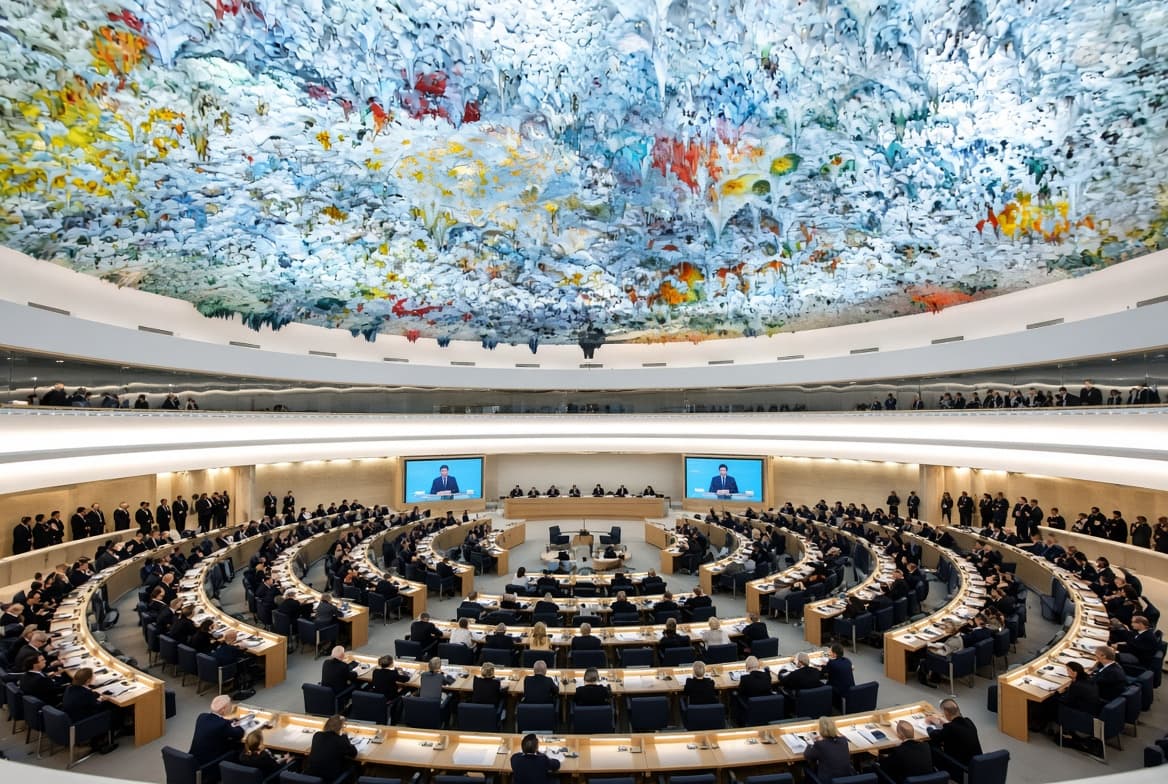

Vance Softens Iran Nuclear Stance as Hormuz Tensions Escalate
Secretary of State Rubio says Tehran passed up 'multiple' chances at a deal as oil prices rise.
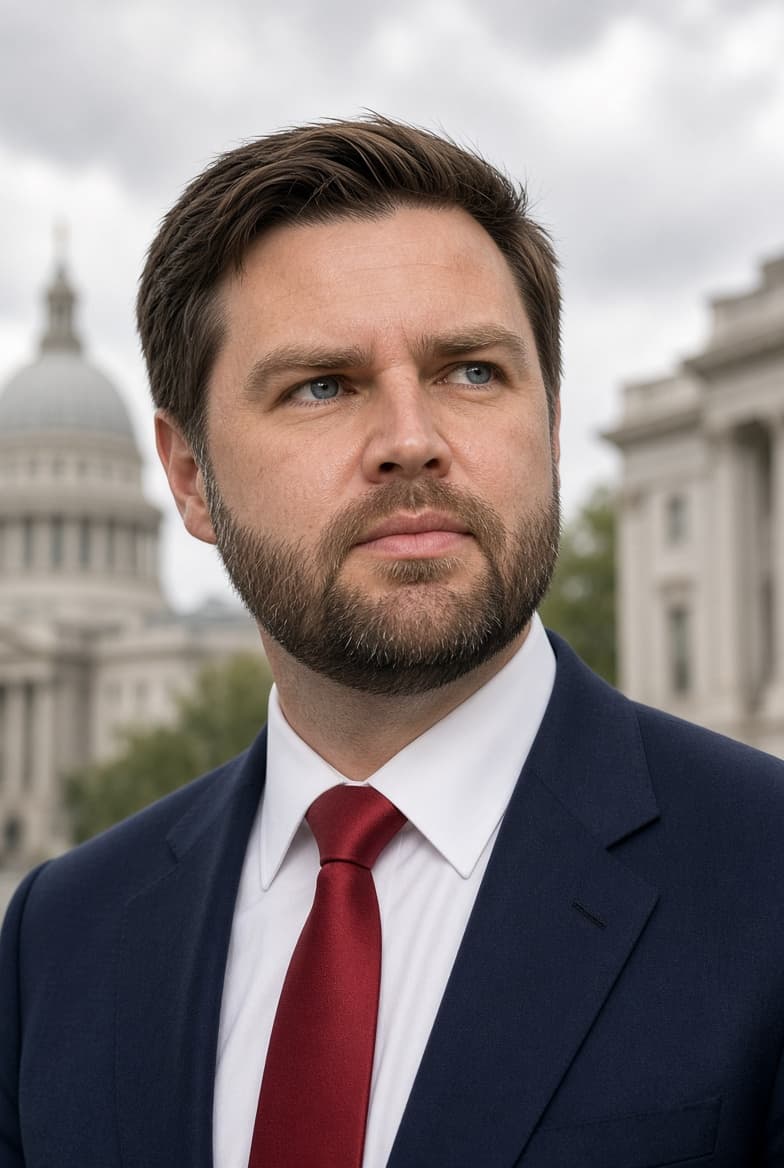
Vice President JD Vance signaled this week that Washington may be open to accepting less than a complete cessation of Iran's nuclear program as a condition for ending the seven-month conflict — a stance that appears to represent a softening from the position President Trump laid out when the war started.
Speaking to Reuters, Vance said any agreement would need to include a "meaningful" reduction in Iran's nuclear enrichment activities. That word choice drew scrutiny given that Trump, the day before hostilities broke out, had called for Iran to have "no enrichment" whatsoever.
Secretary of State Marco Rubio, appearing Wednesday in Athens, pushed back against the notion that the United States was backing down. Iran had passed up "multiple opportunities" to reach an agreement on its nuclear program, Rubio said, and negotiations toward a durable ceasefire remain deadlocked.
"Iran has failed to take advantage of multiple opportunities to reach agreement with us on nuclear program," Rubio said.
Trump denied last week that he had offered Iran sanctions relief in exchange for nuclear concessions, dismissing those reports.
Conditions on the ground remained unstable on both the military and energy fronts. Iran declared it would move to block what it characterized as illegal shipping traffic through the Strait of Hormuz, with a senior Iranian military official claiming his country held "full control" over the waterway. Rubio flatly contradicted that assertion, contending that Iran had "lost complete control" of the strait and that oil shipments through it were nearing pre-war levels.
Maritime analytics firm Kpler reported that oil exports from the region had already surpassed pre-war levels during the prior week. Shell's chief executive said volumes were running at around 80 percent of pre-war levels, attributing that figure to alternative overland corridors and U.S. military escorts accompanying vessels through the strait.
Vessels have continued to draw fire from both warring parties as Iran and its adversaries maintain competing blockades. Houthi forces in Yemen — operating with Iranian backing — struck airports in the Saudi regions of Jazan and Najran on Tuesday, a development that drove oil prices upward Wednesday. Brent crude climbed to roughly $101 a barrel, while U.S. West Texas Intermediate traded near $90.
Syria was preparing to offer Iraq another routing option: the head of Syrian Petroleum Co. said Iraqi crude would begin moving overland by truck through Syria to the Mediterranean port of Baniyas by mid-October, providing yet another bypass around the Hormuz chokepoint.
The United Nations International Organization for Migration reported Wednesday that Yemen's intensifying civil war has uprooted more than 200,000 people since fighting worsened in September, with IOM Director General Amy Pope warning that those displaced had "nowhere safe to go."
Russian President Vladimir Putin was set to meet Iranian President Masoud Pezeshkian on Friday in Turkmenistan, after the two leaders held a phone call Wednesday.
During his stop in Greece, Rubio also announced a new counterterrorism cooperation framework between Washington and Athens and praised the country's rising defense expenditures, describing Greece as "a source of stability in an unstable world." He subsequently delivered remarks at the Acropolis urging Western allies to resist what he characterized as the managed decline of Western civilization.
You Might Also Be Interested In
U.S. Pulls All Bombers From RAF Fairford; Trump Says 'Some Threats' Prompted Move
AfD's Tobias Rausch Elected President of Saxony-Anhalt Parliament, a First for the Party
Russia Hits Second Kyiv Bridge, Renews Warning for Diplomats to Leave