An Unfunded Plan to Starve Speech Is Still a Scandal
A ratings group told agency staff true stories can count as disinformation, then offered a plan built on its scores
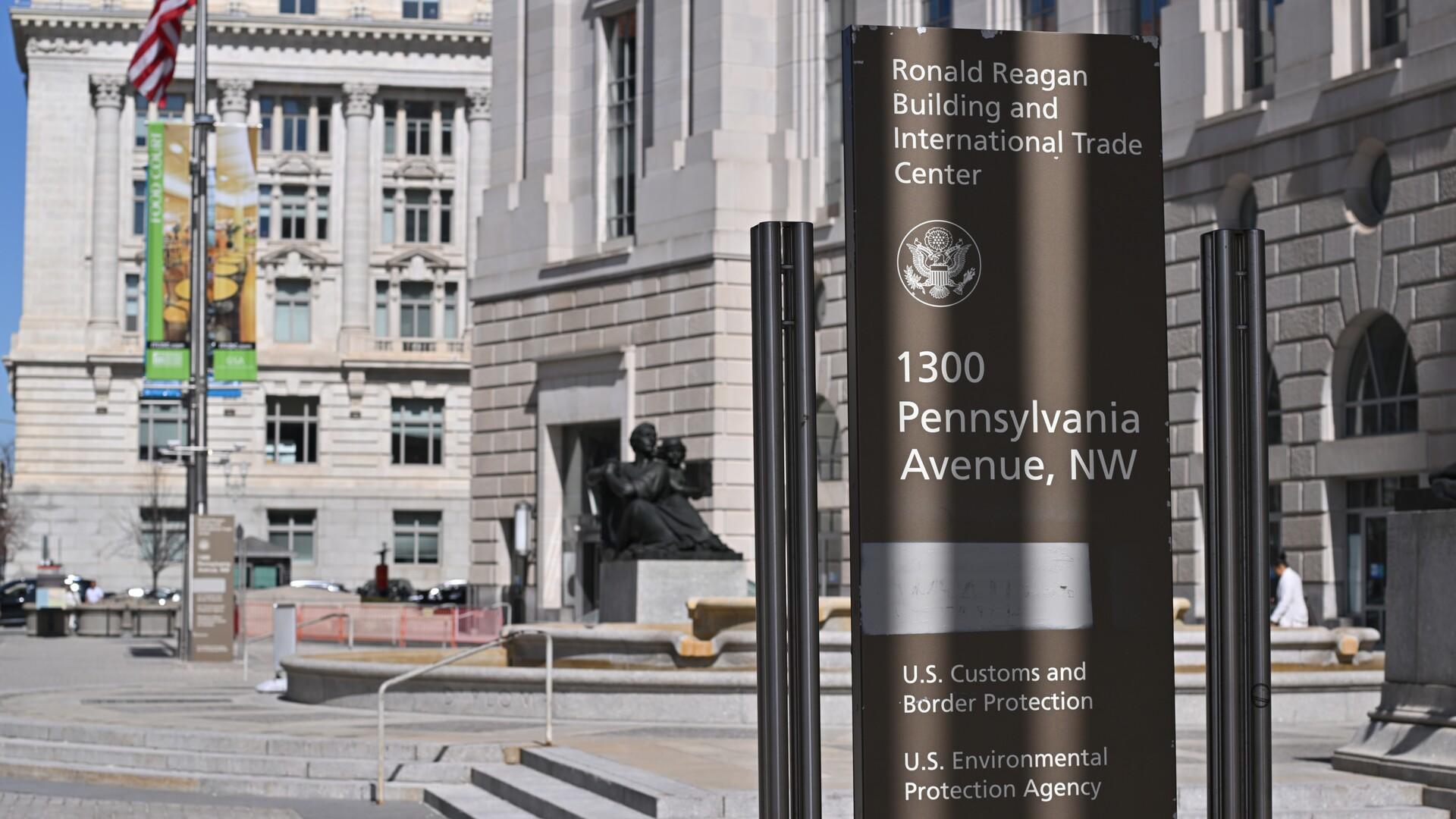
A ratings group pitched a federal agency in 2022 on cutting disfavored news sites in three foreign countries off from ad money and platform reach. The files show no award, yet officials took the calls.
The Global Disinformation Index, a British nonprofit that licenses risk scores for websites, wrote that USAID "has indicated that its growing relationships with the large online platforms, including Alphabet and Meta, offer an opportunity to take action." The group proposed to "work cooperatively with USAID to identify the highest risk media in each country and guide work with the platforms," a program that ran from defunding that media to deplatforming the worst of it. The countries were Moldova, Zambia and Armenia, which a cover email to agency officials called "the three countries of interest to USAID," and the ratings would be "shared privately with USAID." The note confined deplatforming to sites that already break platform rules, and it named no American outlet. Federal spending records list no award in the group's name, and nothing in the USAID Files posted this week shows the agency paid for the pilot.
Those limits are genuine, yet the group's concept note defines disinformation as "adversarial narratives" as opposed to a "true/false" binary. Its cofounder explained the idea to agency staff in a January 2022 webinar, with a deputy assistant administrator leading the questions. He said the bulk of a news site's local crime stories "would fact-check to be correct," yet together they built an implicit narrative he called intentionally misleading. He said a headline that quoted a public figure without explaining that the claim had no basis in fact was "furthering this adversarial narrative, even if technically speaking, what you wrote is true that he did state this."
A rater free to mark down accurate reporting for the message it implies is measuring viewpoint, and advertisers have every right to act on that measurement, as the group says thirteen ad tech firms already carry its exclusion list in their systems. A government agency asked to steer platforms toward ratings of that kind stands in a different position, because the First Amendment exists to keep the state from choosing which narratives get paid for and which get starved.
A contact whose redacted signature block names the national intelligence director's office introduced the group's founders in June 2022 to the deputy assistant administrator who oversaw democracy programs as "the best organization I know working on the commercial, for-profit side of the disinformation challenge." Calls followed with an adviser on technology and democracy, and the concept note arrived "further to your recent call." In internal emails that September the deputy called the note "oddly vague about what they'd do" and the adviser called it "not what we need right now at all," yet the door stayed open. In January 2023 a team lead wrote that the group "came in and met with us a few months ago." The next month the adviser told the group "we will want to revisit this" after the Summit for Democracy and asked to circle back in April.
Agency lawyers drew a firmer line in guidance written in 2023 after a court fight over platform pressure and last updated in September 2024. It told staff they "must not be involved in or attempt to influence the content moderation decisions of social media companies," and briefing notes said that, given "first amendment legal considerations," any work in this space "must be viewpoint neutral." Those words state the constitutional point, and they are memos, which bind only until the next set of officials decides otherwise.
A separate claim spreading this week holds that George Soros received $260 million from USAID, and the records do not support it. Federal spending records show more than $265 million in USAID obligations from 2008 through 2025 to the East-West Management Institute. That nonprofit, started in 1988 and independent by its own description, runs judicial and civil society programs from Albania to Uganda, and its 2021 annual report lists the Open Society Foundations among its donors. Open Society says it does not receive or direct USAID funds, and USAID spending records show no award by name to Soros or the foundation. The Open Society link to the ratings group in the files is a slide in the group's deck for agency staff that lists the foundation as a funder beside the Charles Koch Institute. A false claim gives defenders an excuse to dismiss the episode, and the record stands without it.
Congress can write down what the lawyers' memos only suggest, starting with a statute that bars any federal agency from asking a platform to downrank or deplatform news outlets over their viewpoint. The same law could put every meeting with a ratings group on that subject on a public log. Reps. Andrew Garbarino, the Homeland Security chairman, and Nick LaLota, an Appropriations member, have posted no statement on the files, and both sit on panels that shape federal agencies and their budgets. A government that takes meetings about starving speech it dislikes should not rely on its own memos to say no, because the next administration may be the one writing the check.
You Might Also Be Interested In
Washington's Next Health Plan Starts at Age 55, and Albany Wants to Finish the Job

Channel 4's Prime-Time Hour for Huw Edwards Exposes Britain's Double Standard
A Newsroom Paid by Washington Owes Readers the Number