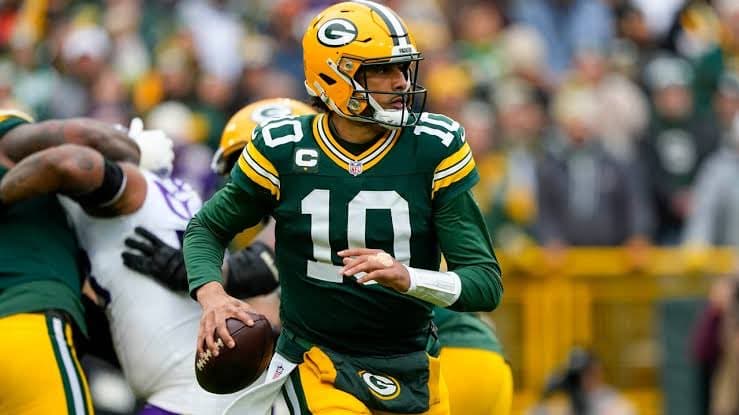

Who Says Men Can't Play in the WNBA?
The WNBA has become a league where what happens on the court is never the story, but what happens off the court has taken center stage.
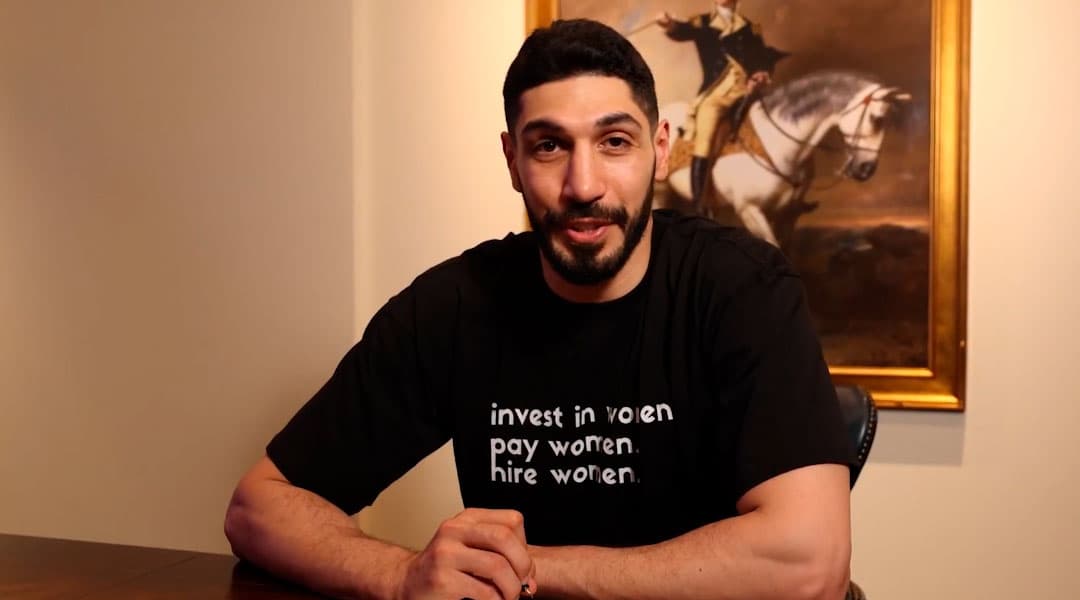
The WNBA has become a league where what happens on the court is never the story, but what happens off the court has taken center stage. There has been plenty to discuss away from the basketball, from the treatment of star players to questions about favoritism and, now, a growing debate over transgender athletes and eligibility in the women's league.
That debate took another turn this week when former NBA player Enes Kanter Freedom decided to inject himself into the conversation.
Kanter took to X and wrote, "After careful consideration and reviewing the current eligibility guidelines, I'm officially declaring myself a WNBA prospect."
He followed that up with, "If simply declaring who you are is all that's required, then I meet every single requirement necessary to compete in the WNBA."
Former first-round NBA pick Royce White also joined Kanter in declaring himself for the league, turning what began as social-media commentary into another round of discussion about the WNBA's eligibility rules.
The controversy comes after one of the league's biggest stars, Sophie Cunningham, made headlines by saying she believes young girls should be protected in women's sports.
"I got a lot of negative feedback about me hating trans. And I'm like, 'I never once said that,'" Cunningham said. "I think that I am here to extend love. But I also think with that love is truth, being honest. And I want to protect young girls in a locker room, or young girls in sport who shouldn't have to go against biological men."
Those comments sparked protests outside WNBA arenas and opened another debate among players and fans about whether men should be permitted to compete.
Earlier this month, Minnesota Lynx head coach Cheryl Reeve made her own position known when she wore a "Trans kids belong" shirt during a game involving Cunningham.
WNBA Commissioner Cathy Engelbert also addressed the issue in a memo to the WNBA Players Association, emphasizing that the league's eligibility rules are collectively bargained.
"Our player eligibility rules, unlike the eligibility rules of some other leagues and governing bodies, are collectively bargained," Engelbert wrote. "Lastly, preserving the integrity of our game and ensuring fair competition will always remain among the league's highest priorities."
That last part is where this conversation gets particularly interesting.
The WNBA's collective bargaining agreement states that "only players who are women are eligible to play in the WNBA." But what exactly does that language mean, and how is "woman" defined under the league's rules? Those questions could become increasingly important as the debate continues.
The league may ultimately have to clarify or amend its eligibility language in a future CBA if it wants to eliminate ambiguity surrounding men playing in the WNBA.
For now, Kanter and White have officially declared themselves WNBA prospects — whether the league is ready for them or not. White even took to social media to tel everyone he just bought his first wig and proclaimed "this is my feminine era glow up, did I slay? If y'all don't "yasss queen" you're transphobic. I don't really understand the hatred. I just want to play hoops with my fellow ladies."
And if nothing else, they have succeeded in putting this issue squarely in the middle of the WNBA conversation and will expose the league hypocrisy when it will be forced to take a stance.
You Might Also Be Interested In

Sachem Apologizes to William Floyd
Bellport Runs to a W
William Floyd Volleyball Celebrates Seniors with Comeback Victory