
Trump Reinstates Iran Blockade, Demands 20% Toll on Hormuz Shipping
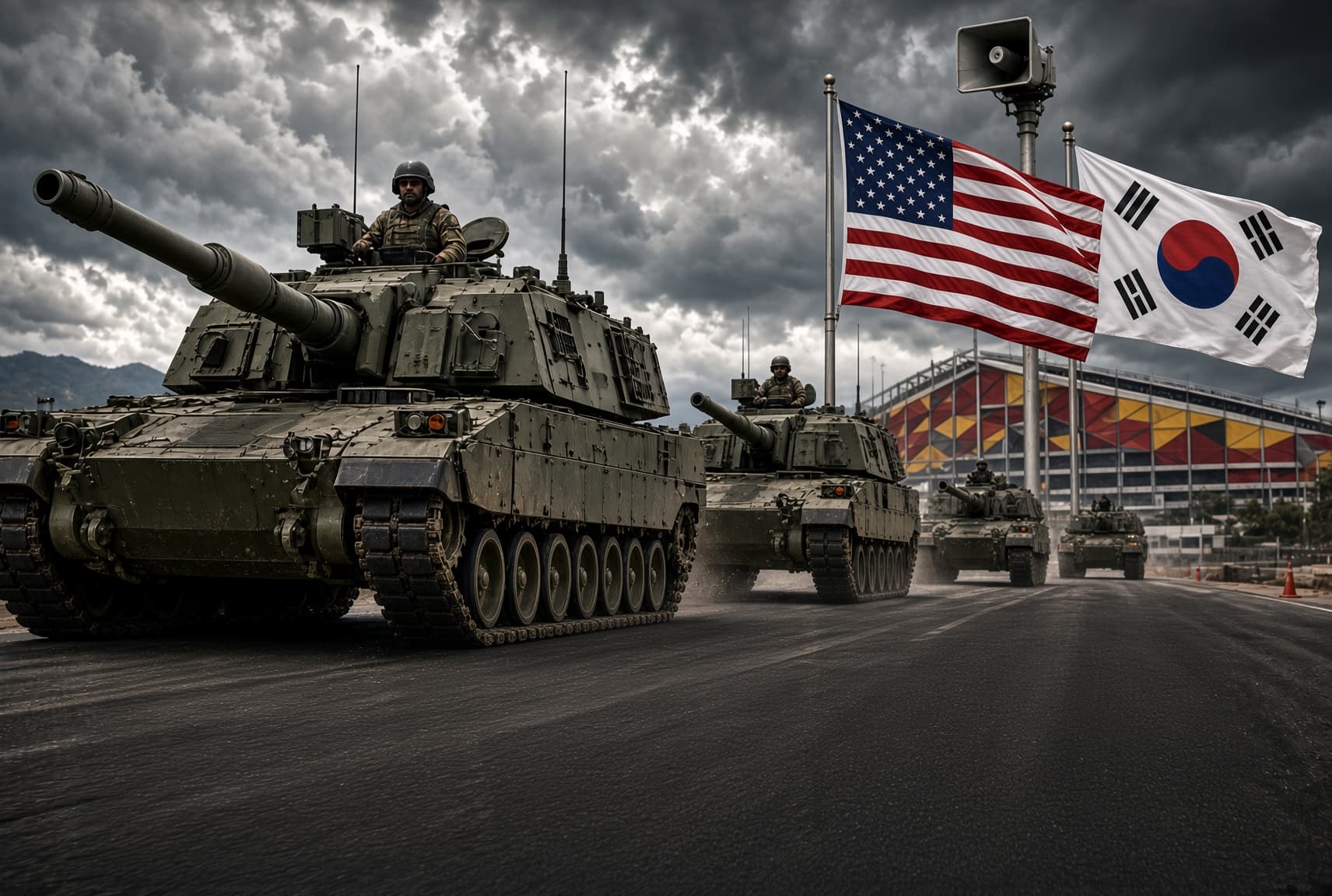
The U.S. military began enforcing a naval blockade of Iranian ports Tuesday as fighting continued around the Strait of Hormuz.
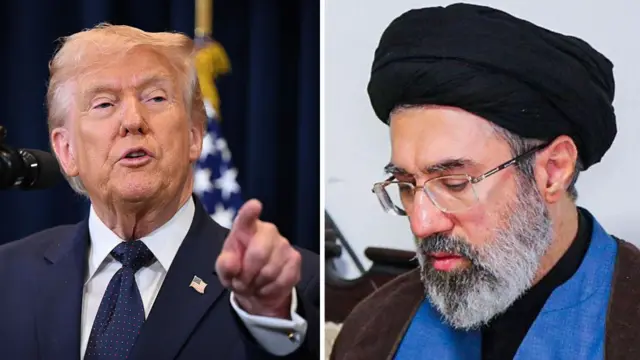
President Donald Trump on Monday declared the United States the "guardian" of the Strait of Hormuz, announced the reinstatement of a naval blockade of Iranian ports, and demanded that commercial ships pay a 20% toll on cargo transiting the waterway — a proposal that immediately drew condemnation from the United Nations and contradicted recent statements by Trump's own top aides.
U.S. Central Command said the blockade would take effect at 4 p.m. Eastern time Tuesday, halting maritime traffic entering and exiting Iranian ports. "The US military continues to support traffic flow through regional waters for all vessels not violating the blockade," a CENTCOM statement said.
"The Hormuz Strait is OPEN, and will remain OPEN, with or without Iran," Trump wrote on Truth Social. "The U.S.A. will be, from this point forward, known as 'THE GUARDIAN OF THE HORMUZ STRAIT,' but as such, and as a matter of FAIRNESS, will be reimbursed, at the rate of 20% on all cargo shipped, for any and all costs necessary to do the job of providing safety and security to this very volatile section of the World."
Trump's toll demand contradicted positions recently staked out by his own administration. Secretary of State Marco Rubio, who also serves as White House national security adviser, said during a visit to the Gulf in late June that tolls on international waterways were "not doable" and "not even workable," and called on those advancing the idea to "abandon the fantasy now." Vice President JD Vance said on June 18 that "we believe international waterways should be free of tolls." The two men had not publicly reconciled their prior statements with the president's new position.
A spokesperson for the International Maritime Organization, the United Nations agency that regulates global shipping, said the IMO "stands firmly against charging fees for passage through straits used for international navigation" and that "there is no legal basis through which to introduce mandatory tolls simply to transit through a strait."
Iran's Foreign Minister Abbas Araghchi, in a post on X, acknowledged Trump's framing while disputing the rate. "Whoever provides secure and safe passage of commercial vessels through the Strait of Hormuz should be compensated for this service," he wrote, adding: "Iran has always been the GUARDIAN of the Strait and will remain so FOREVER. 20% is of course too much. We will be fair."
Users on X questioned who held real authority over the waterway — if both sides claim to control the strait, who actually does? — and noted that Trump had previously called a similar toll proposal unacceptable when Iran floated it.
The announcement came after a weekend of intensifying military exchanges. U.S. forces struck what CENTCOM described as multiple Iranian military targets, including air defense systems, coastal radars, and missile and drone sites, in retaliation for Iranian attacks on commercial shipping and on U.S. allies across the Gulf region. Iran said it fired missiles and drones at U.S. military installations in Jordan, Bahrain, and Kuwait. Missile alert sirens sounded Monday in Bahrain, home to the U.S. Navy's Fifth Fleet.
United Nations Secretary-General António Guterres condemned the escalation, warning through his spokesperson that "a return to full-scale hostilities would have catastrophic consequences" and calling for all attacks to stop.
Others on X voiced disbelief that an American toll was now on the table for the same waterway.
The conflict has squeezed oil markets: the Strait of Hormuz carried roughly 20% of the world's oil trade before fighting began in late February. Oil prices rose sharply following Trump's Monday announcement.
The United Kingdom on Monday also designated Iran's Islamic Revolutionary Guard Corps as a terrorist organization under new national security powers, making it a criminal offense to support or assist the group, with potential penalties of up to life imprisonment. The British government said the IRGC had directed a series of anti-Semitic attacks inside the United Kingdom.
You Might Also Be Interested In
Trump Launches Economic Asphyxiation Campaign Against Iran

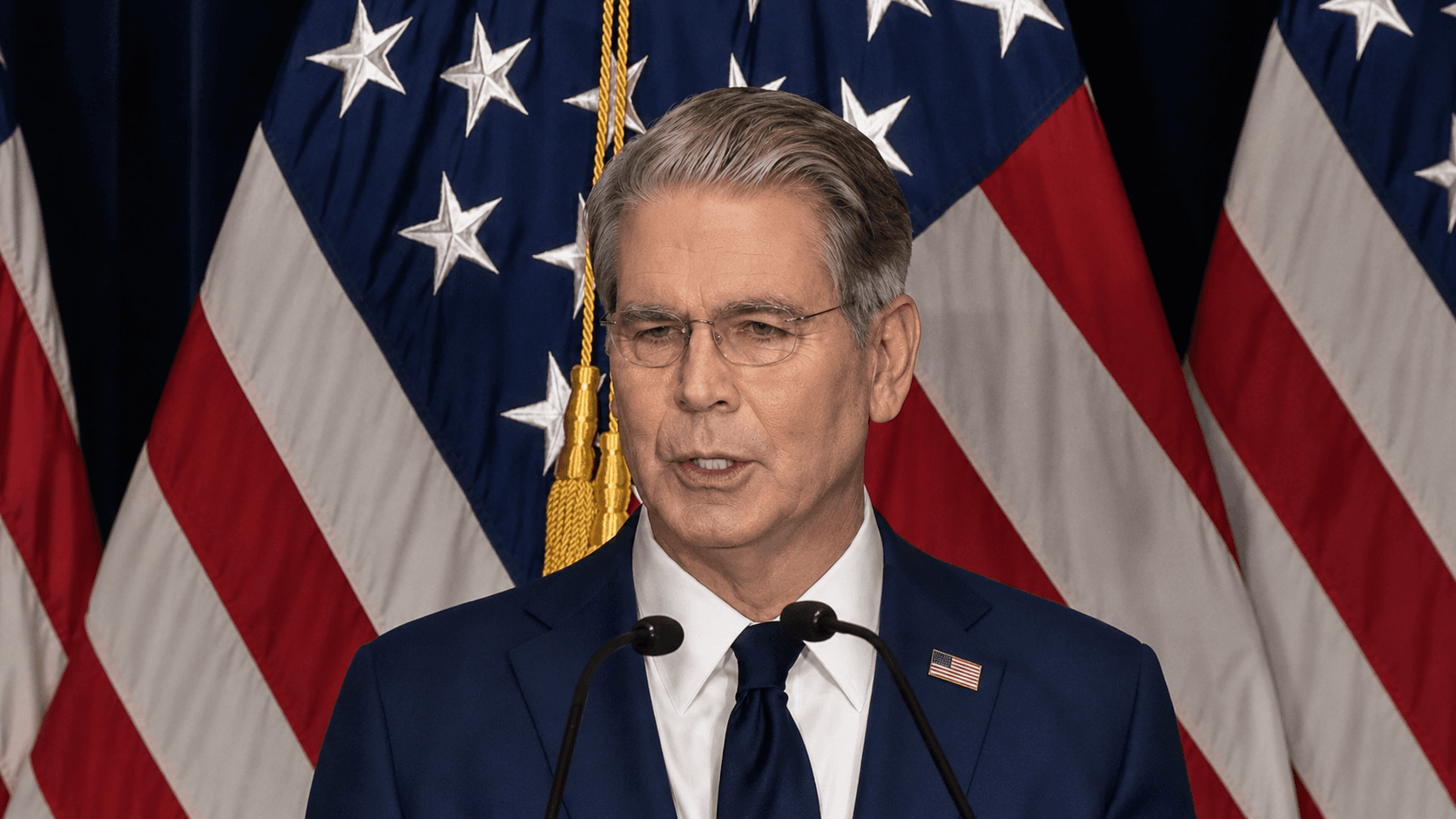
Treasury Chief Vows to 'Collapse' Iran With Historic Sanctions
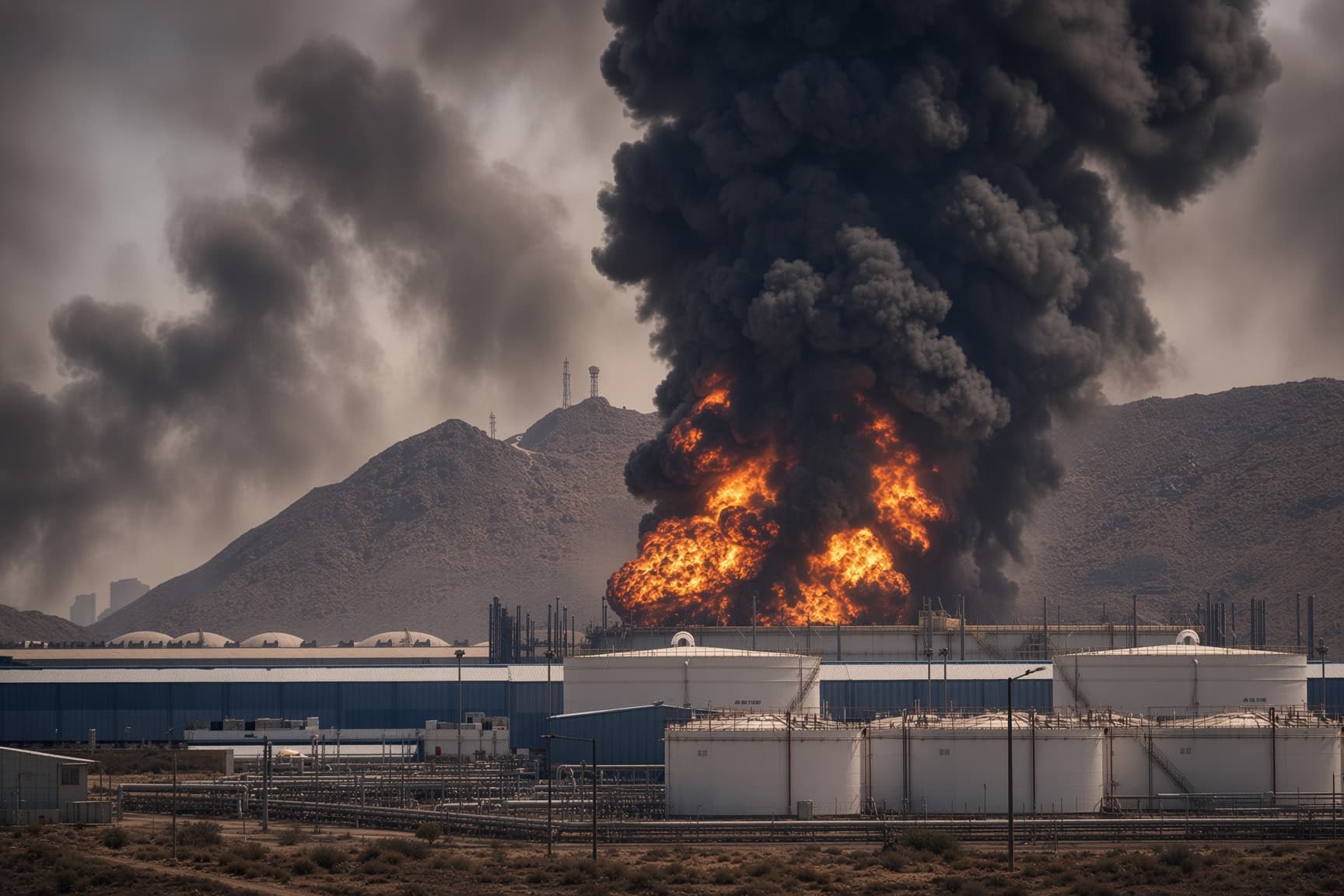
UAE Cuts All Trade With Iran After Missile Attack Claims