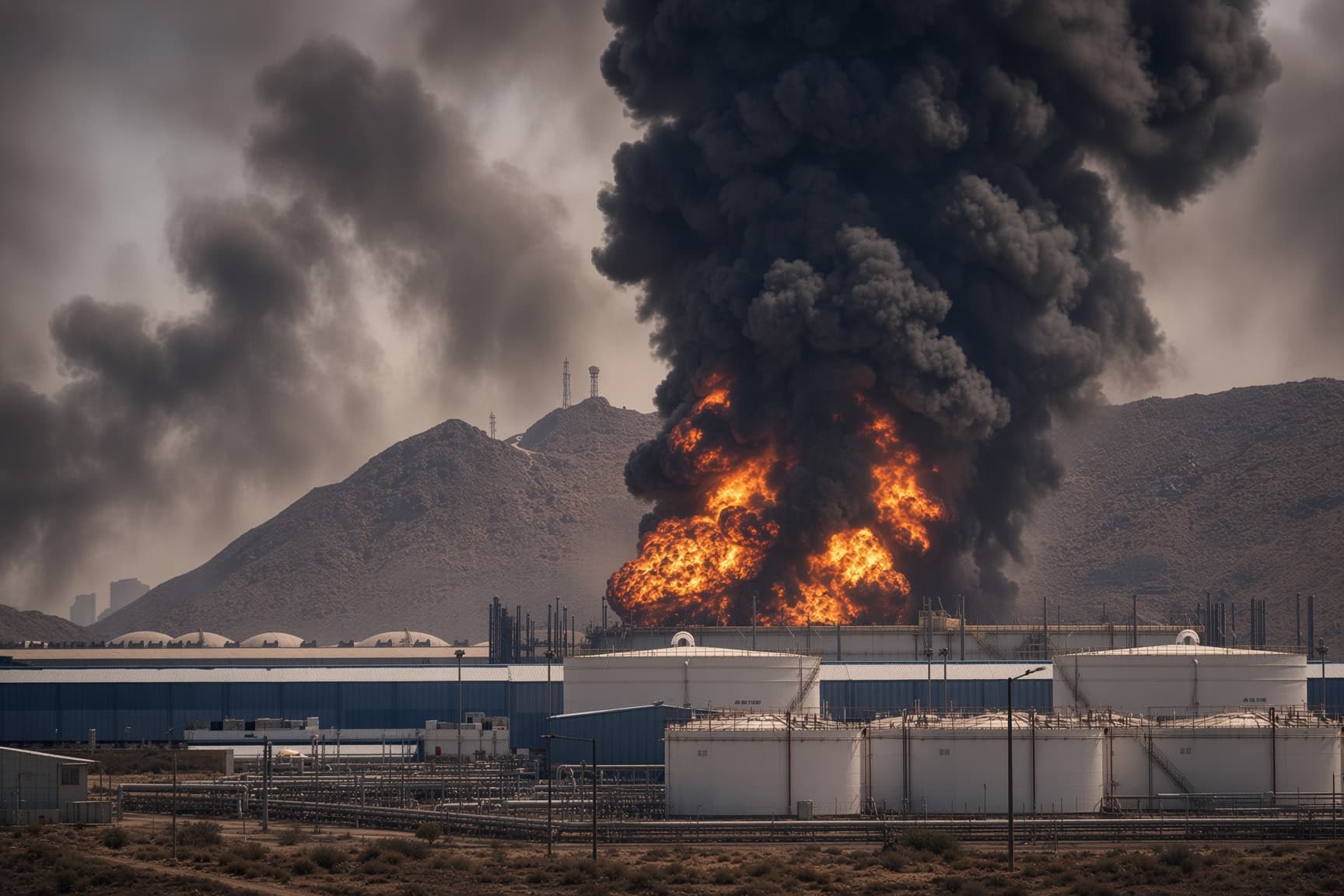

U.S. and Iran Trade Strikes Over Strait of Hormuz
Oil prices surged and the interim peace deal appeared close to collapse as both sides attacked military targets across the region
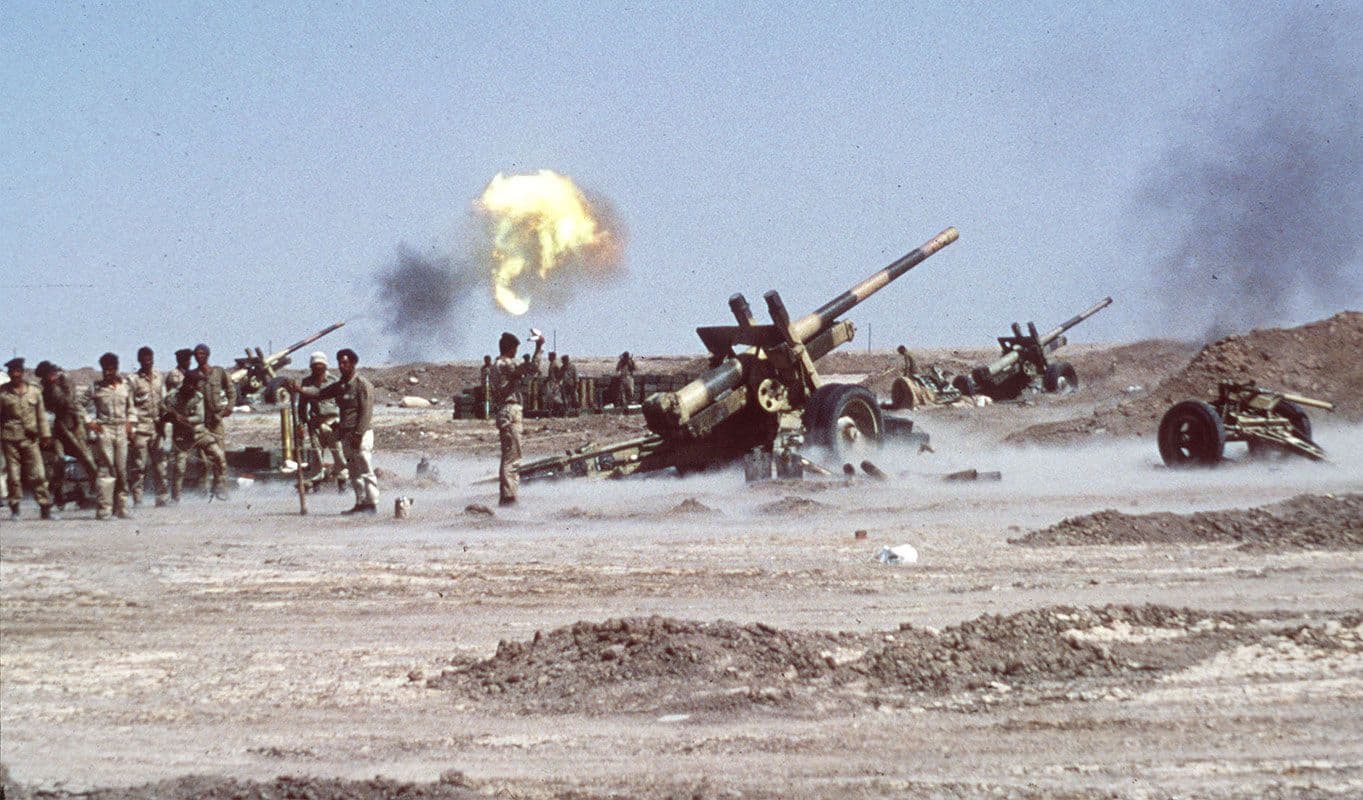
U.S. and Iranian forces exchanged intense volleys of missiles, drones and airstrikes over the weekend and into Monday, with the conflict rippling across the wider Middle East and threatening to collapse a fragile peace agreement reached last month.
U.S. Central Command announced that American forces struck scores of targets inside Iran on Sunday, taking out air-defense infrastructure, radar installations along the coast, missile and drone stockpiles, and fast-attack watercraft. The operation — the first to deploy one-way attack sea drones in concert with aircraft and warships — was designed to diminish Iran's capacity to keep menacing commercial shipping through the Strait of Hormuz, Central Command said.
"The Strait of Hormuz is a vital maritime corridor for global trade. Iran does not control it," Central Command said in a statement.
Those strikes came in response to an Iranian attack on the Cyprus-flagged container ship MV GFS Galaxy while it was passing through the strait. Iran's Islamic Revolutionary Guard Corps then retaliated against the American action by firing missiles and drones at U.S. military installations in Bahrain, Kuwait and Jordan and targeting radar facilities in Oman. Air-defense alarms rang out three separate times Monday in Bahrain, the home port of the U.S. Navy's 5th Fleet. Jordan's military said it shot down four incoming Iranian missiles, while Kuwait reported it was engaging unidentified aerial threats. In Iran, a projectile struck an agricultural water-pumping station in the city of Mahshahr, killing one person and wounding four others, Iranian state media reported.
A separate wave of American strikes on Saturday hit roughly 140 targets across Iran. Explosions were heard early Monday on Qeshm Island and in the nearby port city of Bandar Abbas.
Iran's Foreign Ministry said the attacks had "rendered futile all efforts of the past few months to reduce tension and establish peace in the west Asian region." Foreign Ministry spokesman Esmaeil Baqaei said the memorandum of understanding between the two countries "has entered a crisis stage," arguing that any Iranian non-compliance resulted directly from U.S. violations of the agreement. Baqaei also said weekend talks in Muscat between Iran and Oman over managing traffic through the strait had broken down because of "overt and covert pressure" by Washington on Oman.
Iran's parliament speaker Mohammad Bagher Ghalibaf posted on social media: "The era of one-sided deals is OVER. We told you: keep your word or pay the price. Reality is knocking."
President Donald Trump, appearing on NBC's "Meet the Press," said the U.S. was "beating up" Iran while leaving open the possibility of further talks. Trump had earlier declared the interim ceasefire finished, then said Friday that both sides had agreed to keep negotiating.
Iran's embassy in the United Kingdom said Monday that Tehran had established a "temporary safe and secure maritime corridor" through the strait, complying with the memorandum of understanding and notifying the U.N.'s International Maritime Organization. The embassy accused the U.S. of "pushing vessels toward a dangerous southern parallel route" that it called unsafe and legally questionable.
Vessel-tracking data from Kpler showed shipping through the Strait of Hormuz dropping to its lowest point in five weeks, with just 14 ships making the crossing on July 12 versus 24 the day before. Prior to the war's outbreak in late February — when U.S.-Israeli strikes killed Supreme Leader Ayatollah Ali Khamenei — approximately 130 ships passed through the strait each day, carrying around 20 percent of the world's oil and liquefied natural gas supplies.
International benchmark Brent crude climbed as much as 5 percent Monday before giving back some of those gains, settling in the $77-to-$78-a-barrel range. U.S. benchmark crude added roughly 2 percent. U.N. Secretary-General António Guterres warned that "a return to full-scale hostilities would have catastrophic consequences."
You Might Also Be Interested In

Film Examines China’s Efforts to Weaken America
Trump Launches Economic Asphyxiation Campaign Against Iran

Treasury Chief Vows to 'Collapse' Iran With Historic Sanctions