
U.S. Strikes Iran, Restarts Naval Blockade as Ceasefire Collapses
Trump dropped a planned 20 percent Hormuz fee, replacing it with promised Gulf investment deals
The United States resumed airstrikes against Iran and reimposed a naval blockade on Iranian ports Tuesday as a June ceasefire between the two nations effectively collapsed, rattling global energy markets and stoking fears of a return to open warfare.
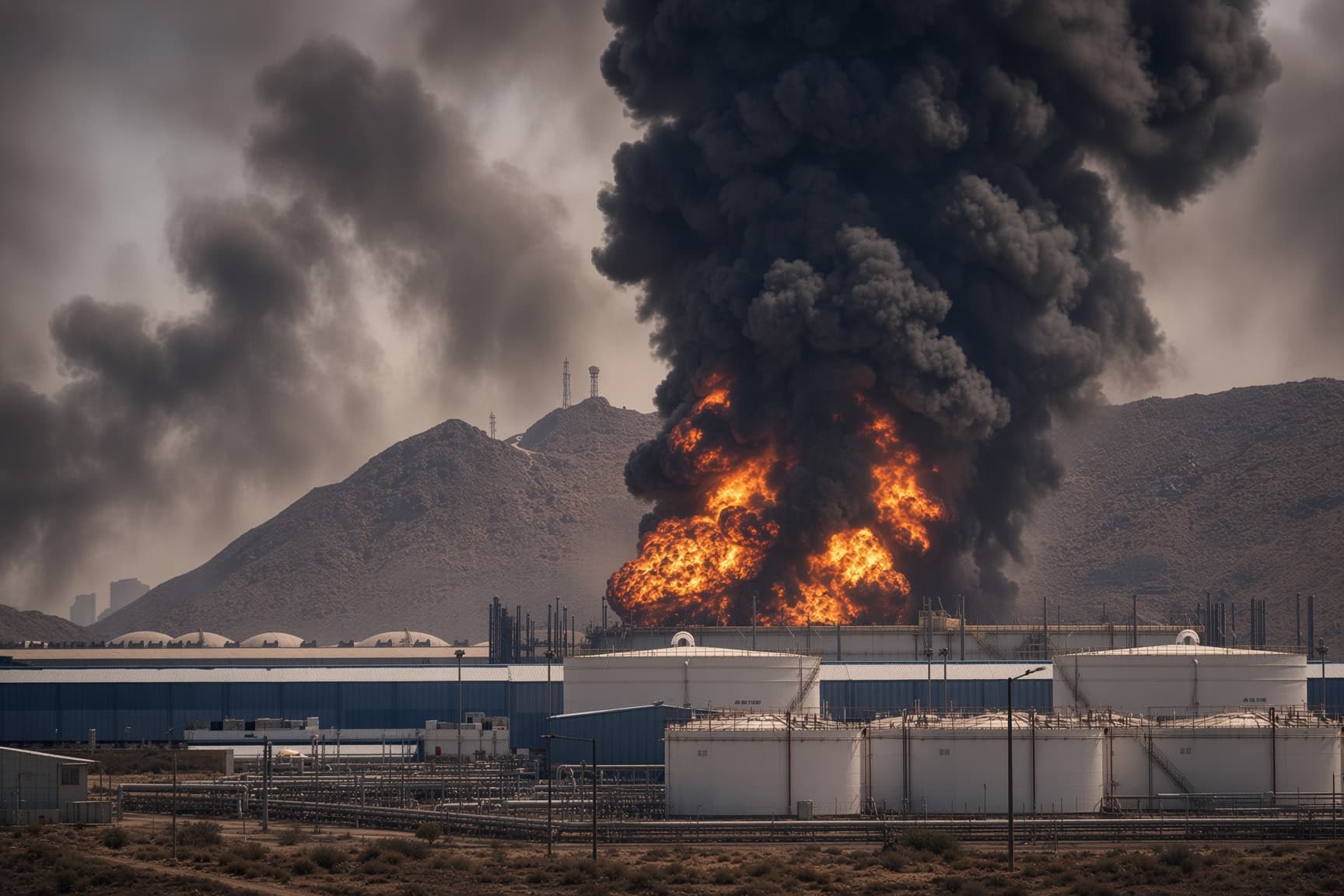
U.S. Central Command announced that strikes aimed at Iranian military assets tied to attacks on commercial vessels began at 3 p.m. Eastern time, with the naval blockade going into force an hour afterward. Targets hit included the Iranian city of Abadan — home to the region's oldest oil refinery — along with the port city of Mahshahr and Qeshm Island, Iranian state media and local officials reported. CENTCOM described the operations as aimed at "degrading Iranian capabilities used to attack commercial shipping" in the Strait of Hormuz.
Iran retaliated on several fronts. Its Islamic Revolutionary Guard Corps acknowledged disabling two supertankers in Omani waters in the strait, asserting the vessels had disregarded repeated warnings and were traveling what Iran deemed an illegal route. The United Arab Emirates confirmed that two of its tankers were struck by Iranian cruise missiles in the Strait of Hormuz, with one person killed. Iranian forces also fired missiles and drones at U.S. military installations in Bahrain — home to the U.S. Navy's Fifth Fleet — and struck military outposts in Jordan. Kuwait subsequently reported its armed forces were engaging aerial targets. Bahraini authorities urged residents to take shelter.
The International Maritime Agency voiced alarm over the fresh attacks, warning that the maritime corridor's "cycle of escalation must end" and noting that two seafarers had lost their lives.
The renewed hostilities follow a weekend collapse of the ceasefire reached in June, when the U.S. and Iran signed a 14-point memorandum of understanding designed to halt the fighting and reopen the strait. Shipping data showed traffic through the waterway had already fallen to a two-month low before Tuesday's strikes. Prior to the start of the conflict in February, roughly 147 ships transited the strait each day; by July 9, only 22 crossings were recorded, according to commodities-tracking firm Kpler.
The Institute for the Study of War said in a special report that the ceasefire had effectively ended, characterizing the current fighting as involving "relatively more intense and consistent exchanges of fire in the Persian Gulf" while noting it remained "relatively less widespread in geographic scope and smaller in terms of total strikes" compared to earlier phases of the conflict.
Central to the breakdown is a dispute over the Strait of Hormuz, through which an estimated 20 to 25 percent of the world's oil and substantial volumes of liquefied natural gas normally flow. Iran's parliament moved this week to introduce legislation formally governing the country's management of the waterway. Iran's lead ceasefire negotiator, Mohammad Bagher Ghalibaf, wrote on social media that the deal required partners to keep their word or "pay the price," signaling Tehran's position that the U.S. and its allies had violated the agreement.
Trump reversed himself Tuesday on a proposed 20 percent fee on all cargo moving through the Strait of Hormuz — a measure he had announced just one day earlier. He wrote online that he had decided to "replace the 20% United States Reimbursement Fee with Trade and Investment Deals that the various Gulf States will be making into the United States." No dollar figures or deadlines were attached. Speaking later at the White House, Trump said he does not "like the concept of a fee" but contended it was unjust for the U.S. to shoulder the burden of protecting the strait at no charge to others. His administration had previously rejected comparable Iranian fees as violations of international law.
Trump directed blame for the renewed conflict firmly at Tehran. "They shot first, and that was a big mistake," he told reporters.
The oil market's reaction underscored the stakes. Analysts tracking commodities noted that the U.S.-Iran conflict, which restarted in February, had already driven oil prices through extreme swings — from roughly $58 a barrel to as high as $119 before pulling back — reflecting how heavily global energy prices have been driven by developments in and around the strait. Oil prices climbed sharply again Tuesday in response to the renewed fighting. Inflation figures released separately showed energy costs had briefly eased, but economists cautioned that any sustained disruption to traffic through Hormuz could quickly erode those gains.
Iranian Foreign Minister Abbas Araghchi said Tehran remained in communication with mediators including Oman, Qatar and Pakistan, though the prospects for any renewed negotiations were uncertain. Qatar condemned the tanker strikes, and Oman called on all parties to honor international law governing maritime navigation.
Iran's deputy foreign minister accused Washington of unraveling the interim peace agreement. Al Jazeera's correspondent in Tehran characterized the situation as "a low-intensity war that is becoming persistent," cautioning that further escalation could push the region back into full-scale conflict.
Analysts pointed to sharp divisions inside Iran's leadership over the path forward. Some factions favor converting military gains into a diplomatic resolution, while others believe the ceasefire was reached before Iran had inflicted enough of a toll, according to Robert Malley of the International Crisis Group, a veteran of the U.S. negotiations that produced the 2015 nuclear deal.
You Might Also Be Interested In

Film Examines China’s Efforts to Weaken America
Trump Launches Economic Asphyxiation Campaign Against Iran

Treasury Chief Vows to 'Collapse' Iran With Historic Sanctions